Growing basil at home is an enriching experience that not only lends an eclectic charm to your garden but also ensures a fresh supply of this fragrant herb. Let’s discover how to navigate through the variety, soil, planting, light, and caring requirements for this aromatic culinary gem.
Choosing the Right Variety of Basil
Basil comes in a multitude of varieties, each differing in scent, taste and aesthetic appeal. Sweet Basil, often seen in Italian cuisine, has a clove-like, slightly peppery taste. Thai Basil offers a sweet, licorice-based flavor, perfect for Asian cooking, while Purple Basil, as its name suggests, adds a vibrant color contrast to your garden.
Nonetheless, when it comes to in-home growth, some basil varieties stand out more than others:
- Sweet Basil
- Genovese Basil
- Lemon Basil
- Thai Basil
- Holy Basil
- Purple Basil
You might want to determine your basil choice based on your culinary needs, pest control, or simply to add an ornamental touch to your home.
〰️ Pro Tip:
If you’re growing basil for pest control, Lemon Basil, with its strong citrusy scent, can deter mosquitoes and flies.
Preparing the Perfect Soil for Basil
Basil flourishes in well-drained, fertile soil, with a pH neutral to slightly acidic. To ensure thriving basil plants, preparation should be meticulous:
- Choose your spot – a pot or a garden bed
- Ensure proper drainage – Basil doesn’t like to sit in waterlogged soil
- Add compost – Enrich your soil with organic compost for added fertility
✅ Best Practice:
Perform regular soil aeration to prevent soil compaction and ensure a favorable environment for root growth. Make sure to maintain a slightly acidic to neutral pH level by adding limestone or sulfur, as required.
Planting Basil from Seeds or Seedlings
Starting basil from seeds or nursery grown seedlings each have their own set of advantages and difficulties. Seeds provide a wider variety, yet require extra time and patience. On the other hand, transplanting seedlings give you a head start, but the plant selection might be limited.
Pros and Cons:
| Method | Pros | Cons |
|---|---|---|
| —— | ———– | ————– |
| Seeds | Wide variety | Extended growing period |
| Seedlings | Quick start | Limited variety |
Pro Tip:
Whether you are handling fragile seeds or delicate seedlings, do so with gentle care and ensure they are well-spaced for ample air circulation and growth room.
Ensuring Optimal Lighting and Temperature Conditions
For successful cultivation, basil demands abundant sunlight and warmth. A modest six to eight hours of sunlight would do wonders to your herb. Indoors or outdoors, basil needs to be pampered with light and heat.
Indoor growth might require additional attention, you might need to adjust your plant’s location based on the movement of the sun, or invest in a grow light. Outdoor growth could be contingent on the weather. However, the advantage of quick transitioning from plant to plate is a definite plus.
A Comparison Between Indoor vs Outdoor Lighting:
| Conditions | Indoor | Outdoor |
|---|---|---|
| —— | ——- | ——– |
| Sunlight | Potential need for grow light | Ample access to natural sunlight |
| Temperature Control | Easier to manage | Weather dependent |
Best Practice:
For indoor planting, consider using full-spectrum grow lights that mimic sunlight as closely as possible. Move your potted basil according to the seasons, placing them near southern-facing windows during winter and east/west-facing ones during summer.
Watering, Pruning, and Harvesting Your Basil Plants
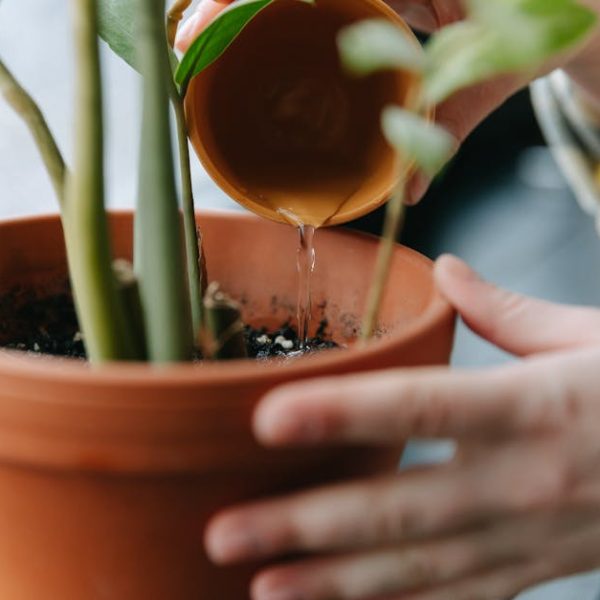
Proper upkeep of your basil plant includes regular watering, tactical pruning, and timely harvesting. Keep soil slightly moist without waterlogging it. Prune your basil regularly to encourage bushier growth, snipping just above where two large leaves are sprouting. When harvesting, pick leaves from the top down, allowing the plant to divert its energy towards new growth.
Utilize the following basic checklist to keep your Basil happy and healthy:
- Watering: Keep soil moist but not soggy
- Pruning: Cut back the plant around every 3 weeks
- Harvesting: Pick leaves as they mature and before the plant flowers
♻️ Pro Tip:
Avoid over-watering, which can lead to root rot. Regular pruning will encourage new growth and delay blooming. Harvest progressively to extend the plant’s productive life and always pick leaves in the morning when their oils are at their peak. Happy growing!
Key Takeaway:
- Basil is a versatile herb coming in varieties like Sweet Basil, Thai Basil, and Purple Basil, each offering unique flavors and uses.
- Successful basil growth requires well-drained, nutrient-rich soil. Proper preparation, including adequate drainage and compost addition, can foster healthy growth.
- Both seeds and seedlings provide viable planting options, with seeds offering variety and seedlings promising a quick start.
- Lighting and temperature matter tremendously, with basil thriving best in ample sunlight and warmth, both for indoor and outdoor growth.
- Regular watering, tactical pruning, and timely harvesting contribute greatly to the health and productivity of basil plants.
Growing basil at home can be a rewarding and enriching endeavor, ever ready to boost your culinary experiences. The key to successful growth lies in understanding the plant’s requirements and catering to them meticulously. Remember, patience and regular care can yield a vibrant, aromatic basil harvest right in your home garden.
FAQs
Q: If I grow basil from seeds, how much time will it usually take before I can harvest?
A: Typically, basil seeds can take between 5 to 10 days to germinate. Once the seedlings have grown and developed fully, you can generally expect to start harvesting in 60 to 70 days, depending on your chosen variety.
Q: I live in an apartment, can I still grow basil indoors?
A: Absolutely! Basil can thrive indoors given the right conditions. Ensure it has sufficient lighting (consider using a grow light if needed), well-drained soil, and regular watering.
Q: Is there a specific time of day when it’s best to water my basil plants?
A: Watering your basil plant in the morning is best. This allows the water to fully absorb into the soil and reach the roots before the warmer parts of the day, which can cause evaporation.
Q: Can I harvest basil leaves from my plant at any time?
A: For the best flavors, it’s recommended to harvest basil leaves in the morning when their oils are at their peak. It’s also worthwhile to remember that regular harvesting encourages continual growth.
Q: What happens if I allow my basil plant to flower?
A: Once your basil plant flowers, it often signifies the end of its lifecycle and can impact the taste of the leaves, often making them bitter. Regular pruning can delay the flowering process and keep your basil plant productive for longer.
If you loved this article, feel free to share it and explore more of our gardening advice on our website. Happy growing!