
Growing tomatoes from seeds can be an absorbing and fulfilling process, particularly when you see those juicy, luscious fruits hanging from the vine in your garden. To successfully grow tomatoes from seeds, you need to arm yourself with the right knowledge and a well-thought-out plan. Follow these straightforward tips to enjoy the delicious taste of homegrown tomatoes this season.
Choose the Right Tomato Seeds
First things first – you need to pick the right type of tomato seeds. It would help if you considered the climate of your area, the available growing space, and your personal preferences of tomato variants when making this decision.
- Heirloom: These tomato seeds produce fruit with traditional taste and texture, growing well in various climates.
- Cherry Tomatoes: Ideal for small gardens and containers, these seeds sprout small, sweet tomatoes.
- Beefsteak: If you’re after large and juicy tomatoes, beefsteak will be your go-to.
Remember, not all tomato seed types fare well in every environment. It’s crucial to invest in high-quality seeds which increases your chances of growing healthy plants. It is recommended to source them from a reputable local nursery or a well-rated online seed bank.
Proper Seed Germination Process
Successful tomato growth greatly depends on correctly germinating the seeds. The process requires the right balance of temperature and moisture. It often helps to soak seeds in warm water for 2-4 hours before planting, which can jumpstart the germination process.
Here is a simple checklist:
- Soak seeds in warm water for a few hours.
- Plant seeds in a well-draining seed-starting mix.
- Keep the soil moist and at a consistent temperature of around 70-80°F until the seeds germinate.
Pro Tip: Use sphagnum moss or seed starter mix to aid germination. This product maintains moisture around the seed, helping it germinate faster.
Factors Impacting Seedling Growth
When your seeds transform into young tomato plants, several factors come into play for their proper growth. These include the availability of light, the ideal temperature range, regular watering, and timely fertilization.
- Light: Seedlings require at least 6-8 hours of bright light daily. Fluorescent lights work best for indoor seedlings.
- Temperature: A range of 65-75°F is ideal for the growth of young tomato plants.
- Watering: Keep the soil consistently moist but avoid overwatering.
- Fertilization: Using a balanced vegetable fertilizer will provide the necessary nutrients.
When it comes to fertilizers, organic options like compost or bone meal are environmentally-friendly and gradually improve soil health, while chemical fertilizers provide quick and high concentrations of nutrients. However, excessive use of chemical fertilizer can lead to soil degradation.
The best practice is to mix organic matter into your soil before planting and then side-dress with a balanced fertilizer once the plants have become established.
Transplanting Seedlings
The next pivotal step in growing tomatoes from seeds is transplanting the young plants to a larger pot or your garden. Transplanting allows the young plants to have enough space to grow and thrive.
Here’s a simple checklist for transplanting seedlings:
- Harden off your seedlings to prepare them for outdoor conditions. This process involves gradually exposing your indoor-grown seedlings to outdoor conditions over a week.
- Select a sunny spot in your garden, or a large enough pot, to transplant your seedlings.
- Dig a hole approximately twice the size of your seedling’s root ball.
- Place your seedling in the hole and fill it with soil gently pressing down to secure the plant.
Pro Tip: The best time for transplanting tomato seedlings is when they have 3 to 4 true leaves, and the outdoor temperature is consistently above 50°F, ideally at night.
Maintenance And Harvesting
After transplanting, proper care and maintenance are crucial for your tomato plants’ health and productivity. Regularly monitor your plants for any pest activity or disease symptoms and deal with them promptly.
Some key maintenance tasks you should do include:
- Staking: This supports your tomato plants as they grow, preventing them from sprawling on the ground.
- Pruning: It enhances air circulation and light exposure, resulting in a better yield.
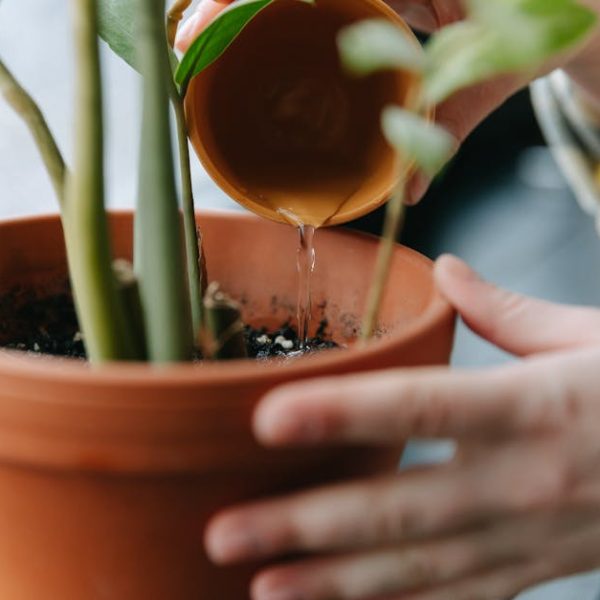
- Watering: Regular watering keeps your tomato plants healthy. Deep watering is recommended to reach the deeper root areas.
- Pest control: Implementing preventive measures and promoting beneficial insects can protect your tomato plants from pests.
As for harvesting, it usually depends on the type of tomato you are growing. Most tomatoes are ready to harvest when they are fully colored and slightly soft when squeezed. You can choose to harvest earlier for a slightly tangier taste or later for a sweeter one. Do remember that late harvesting can sometimes lead to overripened tomatoes, which might compromise their quality.
Key Takeaway:
- Choosing the right tomato seeds by considering your local climate, available space, and personal taste is fundamental to successful tomato growing.
- Correct germination process, involving the right balance of temperature and moisture, significantly influences the growth of tomato plants.
- Seedling growth depends on factors like light availability, temperature, watering, and fertilization, with organic fertilizers being potentially more beneficial than chemical ones in the long run.
- Transplanting seedlings at the right time and under suitable conditions play a crucial role in their development.
- Consistent care and maintenance are necessary after transplanting, including staking, pruning, watering, and timely pest control.
- Knowing when to harvest tomatoes based on their color and firmness can greatly impact their taste and quality.
As you leverage these insights into your tomato growing journey, remember that patience and consistency are your greatest allies. You will likely face challenges on your path, but each one offers an opportunity to learn and refine your approach. So, roll up your sleeves, dive into the joy of gardening, and look forward to a bountiful harvest of juicy tomatoes grown right in your backyard.
FAQs
Q: How long does it take for tomato seeds to germinate?
A: Generally, tomato seeds can germinate within 5-10 days, given optimal conditions of temperature and moisture.
Q: Can I grow tomatoes indoors throughout their life cycle?
A: Yes, tomatoes can be grown indoors, although they will need plenty of light (ideally from full-spectrum grow lights), appropriate temperatures, and regular fertilizing.
Q: How often should I water my tomato plants?
A: Typically, tomato plants require thorough watering every 5-7 days. However, the watering frequency might depend on your local climate and soil type. It’s crucial to maintain consistently moist soil without waterlogging.
Q: What should I do if my tomato plants exhibit signs of disease?
A: You should first identify the possible disease affecting your plants by looking out for tell-tale symptoms. Depending on the illness, you may need to apply organic or chemical disease control measures, or in severe cases, remove the affected plants.
Q: What can I do to prevent pests on my tomato plants?
A: Proper plant maintenance like pruning can prevent many pests. You can also use organic pest control measures or encourage the presence of beneficial insects as natural predators. Prevention is always better than cure, so make sure you regularly inspect your plants.
Feel free to share this article with your gardening friends and explore more informative posts on our website!