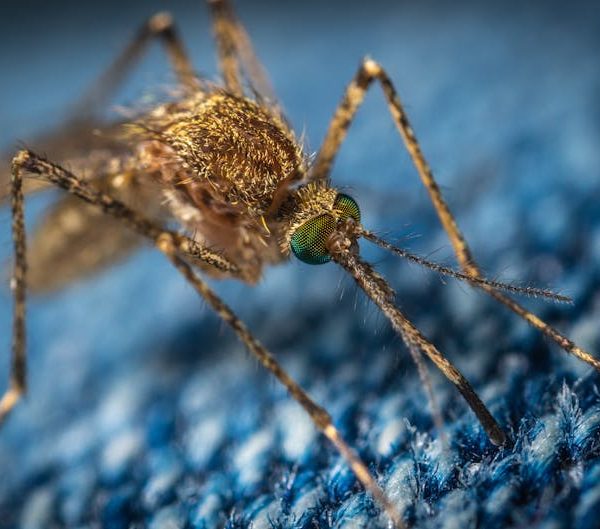

Chiggers are tiny mites known for their intensely itchy bites. If you start to notice chigger bites on your skin after spending time outdoors, it might be time to take action. Here, we’ll explore 10 simple methods to help you naturally eliminate chiggers from your environment.
Diatomaceous Earth as a Natural Pesticide
Diatomaceous earth, a fine white powder made from fossilized marine phytoplankton, works as a natural pesticide. It is a highly effective tool against chiggers because it shreds their exoskeletons, leading to their dehydration and death.
To use diatomaceous earth effectively:
– Always wear appropriate protection gear like gloves and a mask to avoid unnecessary inhalation.
– Lightly sprinkle the diatomaceous earth around affected areas such as your garden, yard, or patio.
– Reapply after rainfall or watering, since the powder is not effective when wet.
Pro Tip: Always choose food-grade diatomaceous earth over other types for pest control. It is non-toxic, making it safe for both pets and children.
Using Beneficial Nematodes
Beneficial nematodes are microscopic organisms that act as nature’s insecticide. They penetrate chiggers and other pests, releasing bacteria that cause rapid death.
To deploy these nematodes in your garden or yard:
– Identify chigger-infested areas in your garden or yard.
– Apply the nematodes using a garden sprayer.
Best Practice: Always water the treatment area thoroughly before and after application. This ensures the nematodes move easily in the soil and increase their survival.
Essential Oils – A Natural Solution
Certain essential oils, such as tea tree, citronella, and lemongrass, are highly effective at repelling chiggers.
To apply essential oils as chigger repellents:
– Always dilute the essential oil with a carrier oil, such as coconut or jojoba oil. A good ratio is 10-20 drops of essential oil per 1 Oz of carrier oil.
– Apply the mixture to your skin before heading outdoors, focusing on your ankles, waist, and other areas where chiggers might bite.
Key Points:
– Pros: Non-toxic, easily available, and multi-functional.
– Cons: Some people may be sensitive to certain oils, and you need to reapply it frequently since its effect fades over time.
Garlic – A Strong Repellent
Garlic is not only a powerful culinary ingredient but also a great natural insect repellent because of its potent smell.
To use garlic against chiggers:
– Crush a few cloves of organic garlic and add them to a spray bottle filled with water.
– Spray the garlic-infused water around your garden, yard, or any other areas where chiggers are rampant.
Your Checklist:
– 5-10 organic garlic cloves.
– A spray bottle.
– Water.
Sulfur – A Traditional Chigger Deterrent
Sulfur is a traditional remedy used for years to fend off chiggers. It changes the smell of your skin, making you less appealing to these pesky pests.
For using sulfur correctly:
– Purchase powdered sulfur from your local gardening store.
– Sprinkle the sulfur around your garden or yard, focusing on areas where chiggers are found in abundance.
– Reapply as per the product guidelines, usually once a month.
Warning: Sulfur could potentially irritate eyes and respiratory tract, so avoid direct contact. Some people might also develop allergic reactions.
Landscaping – A Proactive Approach
Maintaining a neat and clean garden or yard is not just visually pleasing, but it also helps deter chiggers. Chiggers love overgrown and moist environments. Therefore, regular mowing, removing thick underbrush and weeds, and promoting a dry environment are effective preventive measures against these pests.
Best Practice: Create a ‘buffer zone’ with gravel or wood chips that separate your lawn from wooded areas. This will discourage chiggers from invading your lawn.
Chigger Traps
Well-designed chigger traps can act as a practical and efficient method to control the chigger population. These traps usually use catchment areas with a black cardboard heated by sunlight to attract chiggers.
Follow these steps to set up your chigger trap:
– Position the trap during the warmest part of the day when
Key Takeaway:
- Diatomaceous earth can be used as a natural pesticide against chiggers.
- Beneficial nematodes serve as nature’s insecticide for chigger control.
- Certain essential oils like tea tree, citronella, lemongrass repel chiggers.
- Garlic serves as a potent natural chigger repellent.
- Sulfur has traditional use as a chigger deterrent.
- Regular landscaping prevents chigger infestations.
- Chigger traps serve as pragmatic and efficient population control solutions.
- Reducing hosts for chiggers can help manage chigger populations.
- Natural chigger repellents include marigold, lemongrass, citrona, and geranium plants.
- Encourage chigger predators such as chickens, ducks, frogs, and birds for a natural control method.
Have no fear of chiggers with these simple and natural techniques in hand. Not only will they help protect you from chigger bites but will lead to a healthier, more biodiverse environment. So, step outside and soak up nature’s beauty, without the itch!
FAQs
Q: How do I identify a chigger infestation?
A: Chiggers are almost invisible to the naked eye. However, their bites are a major indicator of their presence. If you or your pets have intensely itchy, red bumps after spending time outdoors, it could potentially be a chigger infestation.
Q: Are there any side effects of using essential oils as repellents?
A: While essential oils are generally safe, some people may have allergic reactions or skin sensitivity. Always dilute essential oils with carrier oil before application and test on a small area of skin first.
Q: Can chigger traps completely eliminate chigger populations?
A: Chigger traps will significantly reduce chigger populations, but it’s unlikely they will completely eliminate them. Use traps in conjunction with other methods for effective control.
Q: Can the use of sulfur for chigger prevention cause harm to plants or pets?
A: While sulfur is generally safe for plants and animals, excessive use can alter soil pH and can be harmful when ingested or inhaled in large amounts. Use it sparingly and follow product guidelines.
Q: How often should I landscape my garden or yard for chigger control?
A: Regular landscaping maintenance, such as mowing the lawn, removing weeds, and ensuring a dry environment, should be done weekly or bi-weekly. The frequency may depend on weather conditions and the growth rate of your garden.
Feel free to share this article with your friends or family battling with chigger infestations. Explore more insightful posts on our website to lead a greener, healthier lifestyle!