For those dipping their toes into the vast and vibrant world of houseplants, the learning curve can seem steep. Fret not! Although houseplants invariably need care and nourishment, certain types boast robust resilience, making them perfect for beginners.
Understanding Houseplants: The Basics for Beginners
Houseplants aren’t just aesthetically pleasing – they transform your living space into a vibrant oasis and act as natural air purifiers. They come in all shapes, sizes, and requirements; some need lots of sunlight, others prefer shade, and a few can even survive in artificial light. The cornerstone of plant care should always be understanding each plant’s specific needs and environmental preferences.
Benefits of houseplants include:
- They act as natural air purifiers.
- They add aesthetic value to your living space.
- They create a calming environment, reducing stress and anxiety.
- They foster a nurturing spirit.
The Art of Choosing and Maintaining Foolproof Houseplants
Finding the right houseplants begins with assessing the amount of light your space receives. Generally, beginners should start with plants that are flexible in terms of lighting. Make sure to choose plants that match your personal style and fit well with your space’s aesthetics. Additionally, you need to understand the watering requirements to prevent drowning or dehydrating your plants.
Pro Tips:
- Low maintenance plants are ideal for beginners.
- Pay particular attention to how much light your space gets.
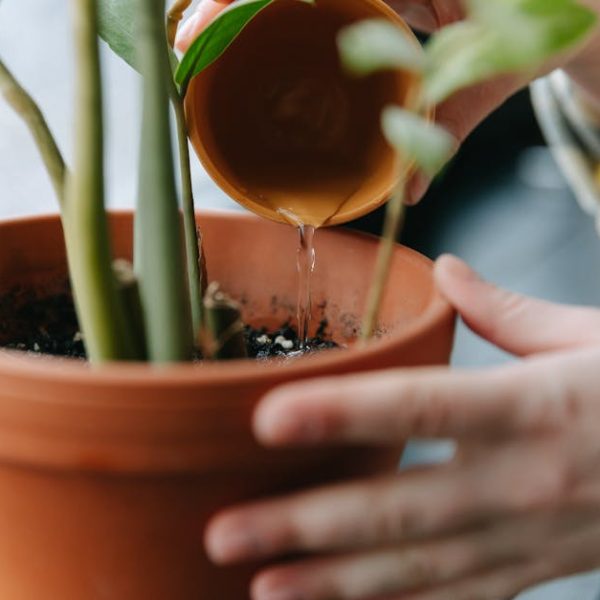
- Make sure not to overwater your plants.
Best Practices:
- Provide enough, but not too much, sunlight.
- Follow watering instructions diligently.
- Monitor your plants regularly for any signs of stress.
Foolproof Houseplants Perfect for Beginners
Embarking on your plant parent journey? Here are 14 robust houseplants that offer beauty without being too demanding.
- Snake Plant
- Spider Plant
… (12 more)
Let’s delve into the world of these two exceptionally beginner-friendly plants.
1. Snake Plant (Sansevieria trifasciata)
Snake plants, with their tall, upright leaves and striking patterns, can inject a unique visual appeal into any living space. They’re tough, easy to care for, and can survive in both light and shade.
Pros:
- Ability to survive in low light conditions.
- Minimal watering requirements.
Cons:
- It may take over the pot if not regularly controlled.
Pro Tips:
- Use a well-draining potting mix.
- Allow the water to dry out completely between watering.
14. Spider Plant (Chlorophytum comosum)
The spider plant, with its bright green leaves and tiny white flowers, can bring much-needed zest to your windowsill or hanging baskets. They’re tolerant of various light conditions and forgiving if occasionally forgotten to water.
Pros:
- Adapts well to various light conditions.
- Can survive occasional lack of water.
Cons:
- Can get brown tips if not provided with semi-soft water.
Pro Tips:
- Water thoroughly, but let the soil dry out between watering.
- Use semi-soft water to prevent the tips from browning.
This basic insight into a couple of durable houseplants should help you start your green journey. The rest of our list and care details will be covered in the next segment. Remember, with a little information and understanding, you can easily make a fresh start with foolproof houseplants. Enjoy your green space!
Caring for Your Houseplants: Things to Remember
Nurturing houseplants places a little bit of nature lover’s heaven right at your fingertips. However, remember not all green life thrives under the same conditions, even the ones labeled as ‘low-maintenance’.
Best Practices:
- Try not to move your plants around too often.
- Avoid placing plants near drafts or heat vents.
- Do not overfeed your plants. Too much fertilizer can harm them.
With that in mind, here’s a straightforward checklist for you:
- Check the plant’s light requirements.
- Water it as instructed.
- Fertilize it periodically.
- Clean its leaves regularly.
Common Problems and Solutions for Houseplant Care
Being a first-time plant parent can sometimes be a challenge. Constant worrying over light conditions, watering schedules, and pest control? Yep. We’ve all been there. But, there are solutions to these common problems:
Pro Tips:
- If your plant’s leaves turn yellow, it’s often a sign of overwatering.
- Brown leaf tips often indicate lack of humidity.
- Leggy plants or pale leaves may mean your plant isn’t getting enough light.
Common issues and solutions include:
- Overwatering: Let the plant dry out before watering again.
- Lack of humidity: Mist the plants or use a pebble tray to increase humidity.
- Not enough light: Move the plant to a brighter location, without direct sunlight.
Final Words: Enjoy Your Green Space
Congratulations! You’re now one step closer to transforming your living space into a lush, leafy haven. Remember that caring for your houseplants should be therapeutic, not stressful. They’re living things, and a little bit of patience and understanding goes a long way.
Here are some resources that can deepen your understanding, and fuel your newfound passion:
- The New Organic Grower by Eliot Coleman
- The Houseplant Expert by D.G. Hessayon
- Website: Houseplant411.com
Embrace the joy that comes with watching your plants grow, adding beauty, freshness, and calm to your surroundings. After all, there’s nothing quite like living in your personal green space. Enjoy your houseplant journey!
Key Takeaway:
- Houseplants offer numerous benefits like air purification, aesthetic enhancement, and stress reduction.
- Choosing houseplants involves analyzing the light condition of your space and the plants’ preferences.
- Snake plants and spider plants are among the beginner-friendly and low-maintenance houseplants.
- Learning about each plant’s specific needs is vital for their successful maintenance.
Remember, being a plant parent should be a fun and fulfilling journey rather than a stressful task. With a clear understanding of the basics and a bit of consistent care, you can successfully nurture your houseplants, making your home a serene green space.
FAQs
Q: What type of pots is best for houseplants?
A: The choice of pots depends on the plant’s requirements. Many houseplants prefer pots that have good drainage to prevent overwatering. Materials like terracotta, plastic, or ceramic all have different properties, so research your specific plant’s needs.
Q: How often should I fertilize my houseplants?
A: While it depends on the plant and the type of fertilizer, a general rule is to fertilize your plants once a month during the growing season (spring and summer).
Q: What should I do if my houseplant gets a disease or pest infestation?
A: If you notice signs of disease or pests, isolate the plant immediately to prevent spread. Identify the problem and apply an appropriate treatment. Consulting a local nursery or online plant care resources can be helpful.
Q: How can I propagate my houseplants?
A: Many houseplants can be propagated via stem cuttings, leaf cuttings, or division. The method often depends on the type of plant. Always make sure your tools are clean to minimize the risk of transmitting diseases.
Q: Do all houseplants need direct sunlight?
A: No, not all houseplants need direct sunlight. In fact, some prefer indirect light or can do well in low-light conditions. Always check the light requirements of the specific plant you are caring for.
Keep exploring, keep learning, and most importantly, keep enjoying your houseplant journey. Remember to share this article with your fellow plant enthusiasts, and delve deeper into our other posts for more insights on creating your perfect green space.