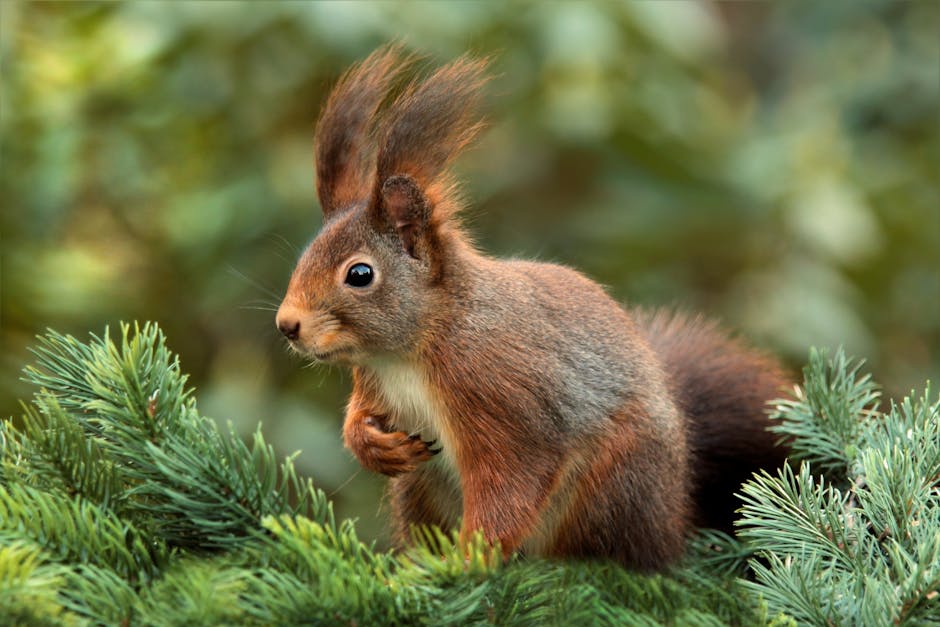
Tending to a garden requires huge dedication. However, it’s all worth it when you see your flowers bloom and trees bear fruits. But what if we told you that there are tiny furry creatures possibly plotting a grand feast right in your backyard? That’s right: Squirrels. While squirrels may seem harmless or even adorable from a distance, they can wreak considerable havoc in gardens. As passionate gardeners, we all look for effective ways to keep squirrels away from our gardens, without harming them or our plants. This article aims to share 14+ genius ideas that are perfect for this task. From understanding squirrel habits to creating squirrel-friendly zones, we take you through every step of safeguarding your garden.
Understanding Squirrels and Their Habits in Your Garden
Squirrels are intrepid climbers and diggers. Their agility makes any part of your garden, above or below ground, at risk. They can dig holes in your lawn, gnaw on tree trunks and bark, and even make a quick snack out of your fruits and flowers. Knowing their behavior patterns is the first step in preventing them from damaging your garden.
To prevent squirrels from causing damage to your garden:
Regularly observe squirrels in your garden.
Identify places they are attracted to or patterns in their visits.
Understand which type of plants they are eating or digging up.
Physical Barriers: Block Their Path
One primary way to keep squirrels away is to limit their access to your garden. Physical barriers like wire fences, mesh coverings, and protective cages around plants can be an effective deterrent. The kind of physical barrier you choose ultimately depends on the size of your garden and the intensity of your squirrel problem. Remember that squirrels are great climbers, so your barriers need to be as complex as their skills.
Choosing the right barrier involves:
Assessing your garden design.
Understanding which types of plants you need to protect.
Comparing different materials and barrier designs.
Natural Deterrents: The Organic Way
Natural deterrents leverage the squirrel’s sense of taste and smell to keep them away from your garden. Many gardeners swear by remedies like hot pepper, garlic, and vinegar. These ingredients can be an irritant for squirrels, keeping them at bay without harming them or your plants.
Using natural deterrents involves:
Choosing which natural materials you want to use.
Understanding how to apply these materials in your garden.
Regularly applying the deterrents to maintain their effectiveness.
Commercial Repellents: The Store-Bought Route
Despite their name, commercial repellents are actually non-toxic sprays or granules that irritate squirrels enough to keep them away. They are generally safe to use, but always ensure to follow the manufacturer’s instructions. Before opting for this squirrel deterrent, it is crucial to weigh its pros and cons.
When opting for commercial repellents:
Explore varied options and their specific uses.
Read product reviews and expert opinions.
Carefully follow the instructions on the label. Check for any adverse effects on specific plants in your garden or to beneficial insects and pets.
Creating a Squirrel-Friendly Zone
Sometimes, the best offense is a good defense. By setting up a separate area with ‘squirrel-friendly’ plants or feeding stations, you can distract them from the main areas of your garden. These zones can be an effective, yet kind way to handle your squirrel problem.
Creating a squirrel-friendly zone involves:
Identifying a suitable part of your garden where their activities won’t damage your plants.
Choosing suitable plants or foods that squirrels prefer.
Taking steps to limit their tendency to branch out from their designated area into other parts of your garden.
Calling in Professional Help
There are times when a squirrel problem can go beyond what can be handled by homemade or store-bought solutions. In such instances, professional pest control services can be both effective and humane in keeping squirrels away from your garden.
When considering professional pest control:
Identify your pest problem accurately. A professional can accurately determine the size and severity of your squirrel problem.
Choose the right pest control service, backed by positive reviews and trusted by other homeowners.
Understand the processes they use and the likely results of their intervention.
These strategies are proven to work in many garden conditions. The one(s) you choose to implement should take into consideration the size of your garden, the specific squirrel problem you are facing, and the resources you have at hand.
Interacting with Wildlife: Gaining Perspective
Remember, squirrels, along with other wildlife, are an essential part of our ecosystem. It’s not their intent to wreak havoc in your garden, it’s merely a survival instinct for them. As gardeners, we can learn to coexist with these creatures while protecting our precious garden.
Final Tips:
- Begin by thoroughly understanding the squirrels’ behavior, habits and feeding patterns.
- Use one or a combination of physical barriers, natural and commercial repellents as needed.
- Consider setting up a squirrel-friendly zone as a kind distraction strategy.
- Call in professional help if the problem becomes severe and difficult to manage.
- Remember, the goal is to deter them from causing damage, not to harm them.
Summary
Squirrels can give us a hard time in our gardens, yet we don’t have to resort to destructive measures to keep them at bay. A blend of preventive practices, careful garden design, and targeted, humane deterrents can resolve most squirrel problems. Always opt for a method that reduces disruption with nature. After all, gardening is as much a lesson in nurturing plants as it is in being stewards of the wildlife that shares our space. From understanding their behaviors, deploying various barriers, using different repellents to creating squirrel-friendly zones, there are plenty of genius ideas that can coexist with your passion for gardening. Happy gardening!
Key Takeaway:
- Understanding squirrel behavior and patterns is crucial for an effective deterrent plan.
- Physical barriers can limit squirrel’s access to gardens and can work as an effective deterrent.
- Natural deterrents like hot pepper, garlic, and vinegar can keep squirrels away by irritating their senses.
- Commercial repellents can be used as safe and effective squirrel deterrents.
- Creating a designated squirrel-friendly zone in the garden can distract them from damaging other areas.
- Enlisting professional help can be the most effective method in severe cases.
Your journey to a squirrel-free garden needn’t be fraught with frustration or harm to wildlife. By knowing their habits, deploying the right deterrents, or even creating a friendly zone for them, you can coexist peacefully with squirrels in your backyard. Remember, the goal is to prevent damage in a humane way, not to eliminate wildlife. Remember to share this article with fellow gardening enthusiasts who might find this helpful!
FAQs
Q: What types of plants are most attractive to squirrels?
A: Squirrels are typically attracted to plants that produce edible fruits or nuts like strawberries, tomatoes, and walnuts.
Q: How often should I apply natural deterrents for them to be effective?
A: The frequency of application will depend on weather conditions, but a regular application every 1 to 2 weeks is a good starting point.
Q: Are commercial squirrel repellents safe for other pets?
A: Most commercial squirrel repellents are safe for pets, but always check the product label for any specific warnings.
Q: What should I include in a squirrel-friendly zone?
A: A squirrel-friendly zone can include squirrel feeders, and plants that squirrels enjoy but won’t heavily damage, minimizing their need to forage in the rest of your garden.
Q: Are there any long-term effects with using professional pest control services?
A: Professional pest control services are designed to provide an effective, long-term solution to pest issues, with minimal impact on the rest of your garden ecosystem. It’s best to discuss this further with the professionals, to understand specifics for your situation.
Encourage your readers to share the article and explore more posts on your website.