There’s nothing like seeing a cluster of pesky gnats sucking the life out of your prized indoor plants. But say goodbye to these irritating critters with these four proven methods. Each approach has its own set of considerations, and below, we delve into each to arm you with the knowledge to tackle your gnat problem effectively.
1. Dealing with a Gnat Infestation through Simple Home Remedies
If you’re not ready to jump into chemical solutions, starting with tried and true home remedies makes absolute sense. Common household items like dish soap, apple cider vinegar, and even cinnamon have proven useful in combating these tiny creatures.
- Dish Soap Solution: Blend a few drops of dish soap with water. The soap breaks the gnats’ surface tension causing them to drown when they land on the mixture.
- Apple cider vinegar traps: Gnats are attracted to the scent of apple cider vinegar. Using this as a trap by covering a cup of vinegar with a plastic wrap punctured with small holes, they will fly in but won’t be able to leave.
- Cinnamon Sprinkles: This common kitchen spice can tackle gnat larvae in the soil. A good sprinkle over soil surfaces can deter gnats without damaging your plants.
Pro Tip: If you’re trying DIY solutions, consistency is key. Change traps regularly and repeat applications to ensure success.
2. Utilizing Chemical Solutions to Get Rid of Gnats
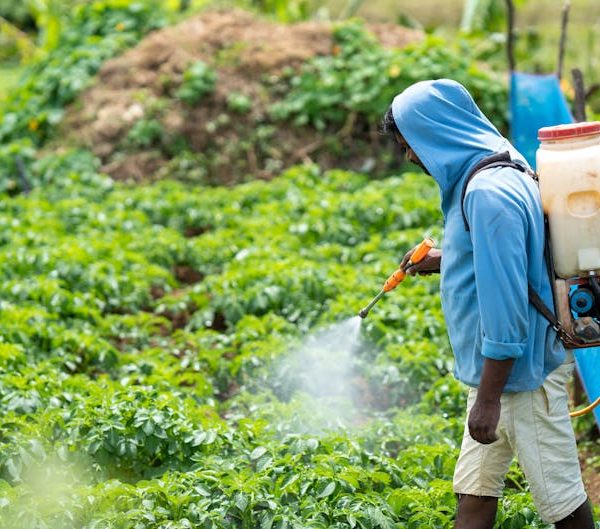
Chemical solutions are a step up if you’re dealing with a persistent gnat problem. Insecticide sprays, granules, and sticky traps can offer an aggressive approach to control gnats effectively, but they must be used wisely.
- Pros: Quick results, effective in controlling and eliminating gnats.
- Cons: Potential harm to plants, possible health risks, may also harm beneficial insects
In terms of best practices, always wear protective clothing, keep away from children and pets, and follow the product’s instructions precisely.
3. Biological Measures: Leveraging Natural Predators and Beneficial Insects
With this technique, we’re introducing nature’s own pest control agents – beneficial insects. Predatory mites and nematodes can naturally keep gnat populations in check.
- Comparison to chemical treatments: On the flip side of fast results but potential harm with chemical solutions, biological measures often take longer to effect, but they’re environmentally friendly and won’t harm your plants.
- Checklist for using biological control: Identify the pest to be controlled, select the suitable predator, introduce them in an appropriate manner to ensure their survival and effectiveness.
To conclude the first part of our multi-pronged guide, let’s begin with these methods and get you started on eliminating those pesky gnats. In the next sections, we will delve into the preventative techniques and when to call in the pros! Stay tuned.
4. Regular and Prevention Techniques to Keep Gnats at Bay
Beyond just killing gnats, it’s important to integrate preventative measures in your routine plant care. Regular care activities such as appropriate watering, soil replacement, and the use of natural gnat repellents can make a world of difference. Here’s what you can do:
- Regulate watering: Overwatering creates a moist environment that gnats love. Only water plants when the top layer of the soil is dry to the touch.
- Replace topsoil: Remove the top layer of soil infested with gnat larvae to break their lifecycle.
- Use sand or gravel: A thin layer of sand or gravel on top of the soil can deter gnats from laying eggs.
5. Expert Advice: Professional Pest Control Services
If your gnat infestation still persists despite your best efforts, it might be time to engage professional pest control services. Professionals have access to a broader range of treatment options and can help you manage severe infestations more effectively.
- Pros: Access to professional-grade solutions, comprehensive treatment, time-saving.
- Cons: Higher cost, potential overuse of chemicals.
Finding reliable pest control services involves checking credentials, reading reviews, and getting several quotes to ensure you’re getting value for your money. Never shy away from asking questions about their process and what chemicals they plan to use.
To wrap things up, remember that dealing with gnats requires a mixture of vigilance, action, and prevention. Keep up with your regular care routine, experiment with remedies and tactics that work best for you, and don’t hesitate to call in the pros when needed. Happy gardening!
Key Takeaway:
- Home remedies such as dish soap solution, apple cider vinegar traps, and cinnamon sprinkles can be effective in controlling gnats.
- Chemical solutions, including insecticide sprays and sticky traps, offer quick results but may potentially harm plants.
- Beneficial insects like predatory mites and nematodes can serve as natural pest control agents.
- Regular plant care and maintenance, like appropriate watering and soil replacement, can prevent gnat infestations.
- In case of severe or persistent infestations, professional pest control services might be necessary.
Remember, there’s always a solution to managing gnats in your plants. It’s a matter of staying consistent with your efforts. Rest assured, you can restore the health of your plants and rejoice in your gnat-free gardening experience.
FAQs
Q: Can I use home remedies and chemical solutions together to combat a gnat infestation?
A: Yes, you can combine different methods of gnat control to tackle the infestation. However, always ensure the chosen methods don’t have adverse effects on your plants.
Q: Can home remedies completely eradicate gnats or just reduce them?
A: Home remedies can effectively reduce gnat infestations, but for complete eradication, you might need to use stronger methods, such as chemical solutions or professional services.
Q: How can I prevent gnats from returning after successful treatment?
A: Regular routine care, like keeping plants dry, changing topsoil periodically, and using natural gnat repellents, can help maintain a gnat-free environment.
Q: Do predator insects pose any threat to my plants?
A: Beneficial insects like predatory mites and nematodes are specifically used for pest control. They do not harm plants and, in fact, contribute to a healthier garden ecosystem.
Q: How frequently should I use chemical solutions for gnats?
A: The frequency of using chemical solutions depends on the severity of the infestation. Always follow the product instructions to avoid overuse or potential harm to your plants.
We encourage you to explore more posts on our site to find beneficial gardening tips and share this article with anyone you think might find it helpful!