Kale is a well-loved vegetable in many gardens, but it faces one persistent pest – aphids. Discovering these miniscule pests feasting on your precious kale can be a disheartening experience, but armed with the right knowledge and tactics, you can successfully oust these invaders from your leafy greens. This article outlines five simple, yet effective, strategies to get rid of aphids from your kale plants.
Understanding Aphids and Their Impact on Kale Plants
Aphids are tiny insects that cause havoc by sucking the sap out of the plant tissues, weakening the plant and making it vulnerable to diseases. A large aphid infestation can cause leaves to wilt or yellow, stunt growth, and even lead to plant death. Additionally, the sweet sap they extract from kale attracts other pests, such as ants, further tormenting your garden.
Common signs of an aphid infestation include:
- Yellowish or curled leaves
- Stunted plant growth
- A sticky substance (honeydew) on the leaves
- Presence of ants that feed on the honeydew
Unchecked aphid infestation can reduce kale yields, compromise the plant’s health, and cause significant garden damage. Thus, it’s essential to take action once an infestation is spotted.
Manual Removal – The Instant Solution
Manual removal of aphids offers an immediate solution, especially when dealing with a minor infestation. This method involves physically removing the insects from the plants with your fingers or a forceful spray of water.
Here are the steps:
- Inspect every leaf thoroughly. Aphids often congregate on the undersides.
- Either pick off the aphids with your fingers or use a spray bottle filled with water to dislodge them.
- Check the plant frequently for the return of aphids.
[Tip: It’s best to perform manual removal early in the morning or in the evening when aphids are less active.]
However, manual removal can be labor-intensive and may not be effective for larger infestations. See the comparison of pros and cons below:
| Pros | Cons |
|---|---|
| — | ———– |
| Immediate effect | Not suitable for large infestations |
| Cost-effective | Labor-intensive |
| Environmentally safe | Repeated application may be necessary |
Application of Organic Insecticides – The Natural Approach
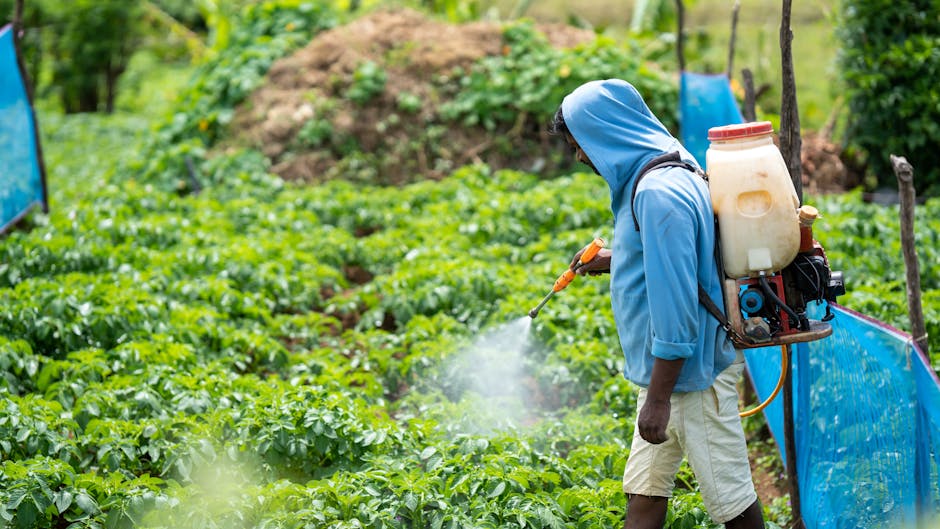
Organic insecticides provide an effective alternative to manual removal, especially for major infestations. They are made from naturally occurring ingredients, like neem oil, diatomaceous earth, or insecticidal soaps, and can effectively control aphid populations without harming beneficial insects in your garden.
Here are some best practices for using organic insecticides:
- Apply in the late evening or on a cloudy day to prevent the sun from breaking down the insecticide.
- Thoroughly cover both the upper and lower surfaces of leaves, ensuring all aphids are in contact with the insecticide.
- Repeat application in a week or as directed on the product label if aphids are still present.
Organic insecticides are a safe way to control aphids without resorting to chemical solutions, but they may require multiple applications and some time to take effect.
Introducing Aphid Predators – The Biological Control
A biological control method that works well for aphid management is the introduction of their natural enemies into your garden. These predators, such as ladybugs, lacewings, and parasitic wasps, feed on aphids and help to keep their population in check.
Bonus: They add biodiversity to your garden and control other pests as well.
Here are some common aphid predators:
- Ladybugs
- Lacewings
- Parasitic wasps
- Hoverflies
- Birds
While this method can be remarkably effective, guaranteeing a sustainable population of these beneficial insects can be a challenge. And remember, it won’t give you instantaneous results; it’s a more long-term solution.
Aphid-Resistant Varieties of Kale – The Preventative Method
Planting aphid-resistant kale varieties is a wonderful preventative strategy. Some varieties have natural resistance to aphids, thus requiring less ongoing vigilance.
When choosing aphid-resistant varieties, look for:
- Thick, tough leaves
- Tight, compact growth habit
- Proven pest resistance in product descriptions
Cultivating these varieties can help limit aphid infestations, but don’t forget that even resistant varieties need proper care like any other plants to maintain their resistance.
Maintaining A Healthy Plant Care Routine – The Long-Term Solution
Finally, one of the most effective ways to keep aphids at bay over the long term is by maintaining a healthy plant care routine. Strong, healthy plants are less attractive to aphids and can resist the occasional infestation better than weak ones.
Consider the following tips for creating an effective plant care routine:
- Regular watering, based on the specific needs of the kale variety.
- Timely fertilization using a balanced organic fertilizer.
- Regularly inspect plants for any signs of pests or diseases.
- Provide appropriate sun exposure and air circulation for plant health.
By following these simple yet efficient methods, you can not only get rid of aphids from your kale plants, but also prevent future infestations. Remember, the key to successful gardening is patience and persistence – with the right approach, you can maintain a healthy, aphid-free garden.
Key Takeaway:
- Aphids are a significant threat to kale plants. They suck the sap out of plant tissues, weakening the plant, and leaving it vulnerable to diseases.
- Manual removal is an immediate solution to aphid infestation, effective especially when dealing with a minor infestation.
- Organic insecticides made from naturally occurring ingredients can effectively control aphid populations without causing harm to other beneficial insects.
- Introducing natural enemies of aphids like ladybugs, lacewings, and parasitic wasps is a long-term biological control method.
- Planting aphid-resistant kale varieties can serve as a preventive strategy against aphid infestation.
- A healthy plant routine is a long-term solution to make plants less attractive to aphids, thus resisting infestation better.
Maintaining healthy, aphid-free kale plants is a task that requires patience, persistence, and the right information. With these proven methods, you can tackle any aphid infestation head-on and reap the benefits of a successful and thriving garden.
FAQs
Q: What other pests are dangerous to kale plants?
A: Besides aphids, kale plants can be susceptible to pests like cabbage worms, caterpillars, whiteflies, and cutworms. It’s crucial to regularly inspect your plants for signs of these pests.
Q: How does regular fertilization help in protecting kale from aphids?
A: Regular fertilization helps in maintaining the overall health and vigor of the kale plants, making them less attractive to aphids.
Q: How can I ensure a sustainable population of aphid predators in my garden?
A: You can make your garden more inviting for aphid predators by creating a friendly habitat, which includes providing varied plants for food and shelter.
Q: Are there other types of organic insecticides I can use beyond neem oil, diatomaceous earth, or insecticidal soaps?
A: Yes, other organic insecticides include pyrethrin, rotenone, and horticultural oils. Make sure to follow the manufacturer’s instructions for their use.
Q: What should I do if my kale plants are heavily infested? Can they be saved?
A: In case of heavy infestation, a combined approach using manual removal, organic insecticides, and introduction of natural predators can help. If the infestation is beyond control, it may be best to remove and properly dispose of the infected plants to prevent the spread to other plants.
We encourage you to share this article with others who could benefit from it and explore more posts on our website for additional gardening tips and tricks.