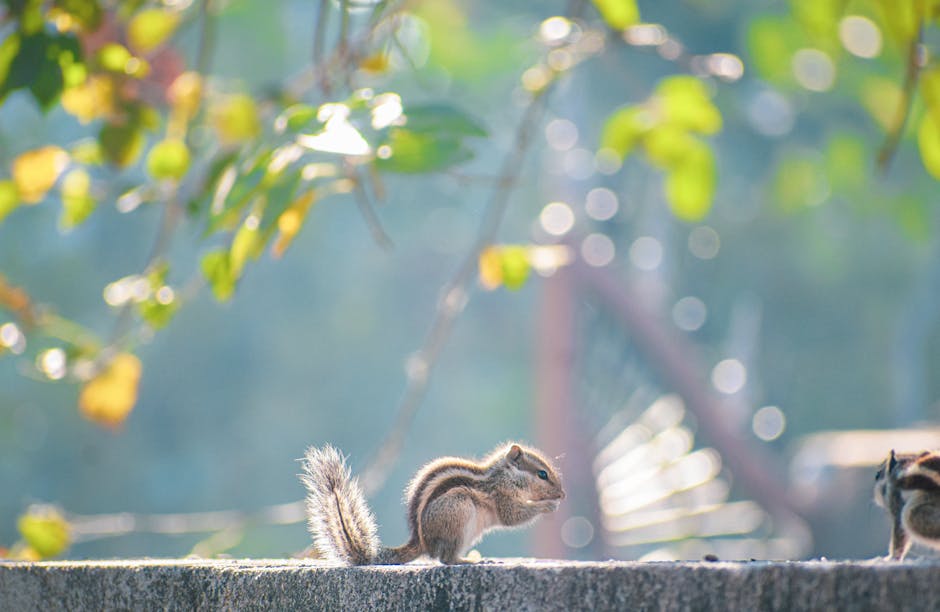
Perfecting your garden should be a joy,but without the right strategies, it can also lead to a war of wits with common garden pests, like chipmunks. While these creatures may appear small and harmless, don’t be fooled! These gnawing critters can wreak havoc on your plants, turning your garden efforts into a literal ‘ground zero’. However,don’t lose hope! You don’t have to swap your gardening gloves for battle armor just yet.
Woodland creatures despise certain types of plants, particularly those with tough leaves, strong scents or a bitter taste. With these plants strategically positioned, your pesky ‘alfresco diners’ will be encouraged to look elsewhere for their next meal! Let’s dive into this guide to the seven stunning plants that naturally repel chipmunks.
Daffodils
Daffodils, known for their trumpet-shaped flowers and vibrant yellow blooms, are more than a symbol of spring and new beginnings. While we admire daffodils for their cheerful aesthetics, these perennials are toxic to chipmunks.
Their leaves, stems, and bulbs contain lycorine, a natural alkaloid that will induce nausea and vomiting in chipmunks, which they instinctively try to avoid. Plant these bulbous perennials in the fall, 3-6 inches deep and about 3-6 inches apart in well-draining soil. Daffodils prefer a sunny or partially shaded location and require moderate watering, with extra care during the blooming period.
Hellebores
Hellebores, also known as winter roses due to their late-winter and early-spring blooming habits, can keep furry visitors at a safe distance. Chipmunks are not fans of these shade-loving perennials due to the bitterness caused by the plant’s high concentration of alkaloids.
Planting these hardy evergreens requires well-drained soil that ideally leans towards neutral or alkaline balance. Hellebores do well in light to deep shade and require moderate watering until established. A pro tip—applying a generous layer of mulch or compost annually will help your Hellebores flourish and keep away the undesired chipmunk presence.
Alliums
Cheers to home gardeners for yet another ‘stinky’ champion—the Allium. This plant family includes onions, garlic, chives, and several ornamental varieties. Chipmunks tend to steer clear of such strong-scented plants, giving gardeners a strategic advantage.
Plant these bulbs in the late summer or early fall about 3-8 inches deep, and 5-8 inches apart, depending on the species. Alliums require full sun for no less than six hours a day,and soil that is well-drained. Remember to limit the amount of water unless in a hot weather spell or during the growing season.
Come back for the continuation of our Top 7 stunning plants that naturally repel chipmunks.
Lavender
Who doesn’t love the calming scent of lavender? It turns out chipmunks don’t! The fragrant plant is a favorite among gardeners not only because they’re aesthetically pleasing, but also because their strong scent serves as a reliable chipmunk deterrent.
These sun-loving, drought-tolerant perennials need well-drained soil. Plant the lavender clippings or seeds in spring, placing them 12-24 inches apart to allow for growth and air circulation. Established lavenders prefer less water, so only water if the soil feels dry and doesn’t retain moisture well.
Narcissus
Better known as daffodils, Narcissus plants make an eye-catching addition to any garden. But did you know that these vibrant flowers, just like daffodils, are toxic to chipmunks? Yes, their toxic nature naturally repels the furry visitors away from the garden.
Plant Narcissus bulbs in the autumn, at least 3–6 inches deep and 3–6 inches apart in well-draining soil. They appreciate full sunlight exposure and moderately frequent watering, along with an extra dose of TLC during the blooming period.
Fritillaries
Here’s another stunner that chipmunks find off-putting—Fritillaries! These unique, bell-shaped flowers emit an unpleasant smell (at least to chipmunks and some gardeners).
Place the bulbs 3-5 inches deep and about 12 inches apart in the soil in early fall or late summer. Fritillaries, just like alliums, crave a lot of sunlight, ideally no less than six hours per day. They also prefer well-drained soil and moderate watering, keeping the moisture level consistent but not waterlogged.
Peonies
Peonies, unlike other plants we’ve discussed so far, don’t have an unpleasant taste or smell. Instead, they deter chipmunks with their dense, bushy foliage that makes navigation difficult for these critters.
To cultivate peonies, plant them in autumn or spring 2-3 feet apart, allowing for plenty of space to spread. They love full sun but can tolerate light shade. Avoid planting under trees as peonies don’t like to compete for nutrients. Once established, water peonies sparingly, as overwatering can lead to fungal diseases.
In conclusion, planting these beautiful yet deterring plants in your garden can provide a natural, harmonious solution to your chipmunk problem. Stick to our plant and care tips for the best results, and enjoy the added bonus of a vibrant, colorful garden without having to worry about pesky pests!
Key Takeaway:
- Several beautiful and aromatic plants naturally deter chipmunks, including Daffodils, Hellebores, Alliums, Lavender, Narcissus, Fritillaries, and Peonies.
- Chipmunks can be deterred by certain plants’ toxic properties (Daffodils, Narcissus), strong smells (Alliums, Lavender, Fritillaries), or inconvenient physical properties such as dense foliage (Peonies).
- Each of these plants has specific needs for planting season, spacing, sun exposure, soil type, and watering frequency which, if met, will enhance their growth and chipmunk-repelling capabilities.
Your garden can be a haven of peace and joy, without the gardener-chipmunk ‘wars’. By selecting the right plants and following the suggested care tips, you can naturally steer the chipmunks away, while adding elegance and zest to your garden. Happy gardening!
FAQs
Q: What other animals can these plants repel?
A: Besides chipmunks, the strong smells and toxicity of these plants can deter other garden-variety pests like rabbits, deer, and certain insects.
Q: Can these plants be harmful to my pets?
A: Some of these plants, especially those with toxic properties like Daffodils and Narcissus, could pose a threat to pets if ingested. For safety, it’s always best to keep pets away from these plants.
Q: What happens if chipmunks ingest the toxic plants?
A: If ingested, these toxic plants, by natural defence, induce nausea and vomiting in the chipmunks. This unpleasant experience encourages them to avoid these plants in the future.
Q: Will I need to plant these flowers every year to keep chipmunks away?
A: Most of these plants are perennials, which means they typically grow back each year without needing to be replanted. This makes them a convenient, long-term solution to deter chipmunks.
Q: Are these plants difficult to maintain?
A: As with any plant, each of the mentioned varieties has specific care needs. However, with proper planting and care as per guidelines, they can be as easy to maintain as any other garden plant.
Please consider sharing this article with other gardening enthusiasts, and explore more posts on our website for other helpful gardening tips and advice.