Growing basil in a pot may initially seem like a daunting task, particularly for beginners. However, it’s actually fairly simple once you understand its basics. The beauty of potted plants is their adaptability and flexibility. That being said, knowing the ins and outs of basil needs will arm you with the confidence to successfully nurture your plant to fruition. So, here are seven straightforward yet effective steps to ensure your potted basil thrives:
Understanding the Basics of Basil Planting
Basil, with its fragrant leaves and versatile flavor, is a favorite among herb lovers. This green delight tolerates moderate temperatures and requires abundant sunlight and water. Generally, it thrives when the temperature consistently ranges between 60°F to 90°F. Nevertheless, younger plants may require some shade during hot afternoons to prevent wilting. Also, try to water basil thoroughly but avoid letting it sit in excess water.
It’s crucial to comprehend the many faces of basil, such as:
- Sweet basil: This plant boasts large fragrant leaves and works wonders in sauces and salads.
- Thai basil: It flaunts a stronger flavor, making it perfect for infusing your cooking with a rich taste.
- Purple basil: As the name suggests, it has attractive purple leaves and a subtle flavor.
Pro Tip: If you reside in a cooler climate, consider investing in a winter-hardy variety such as sweet or Thai basil. These varieties exhibit better resistance to colder temperatures.
Selecting the Perfect Pot for Basil
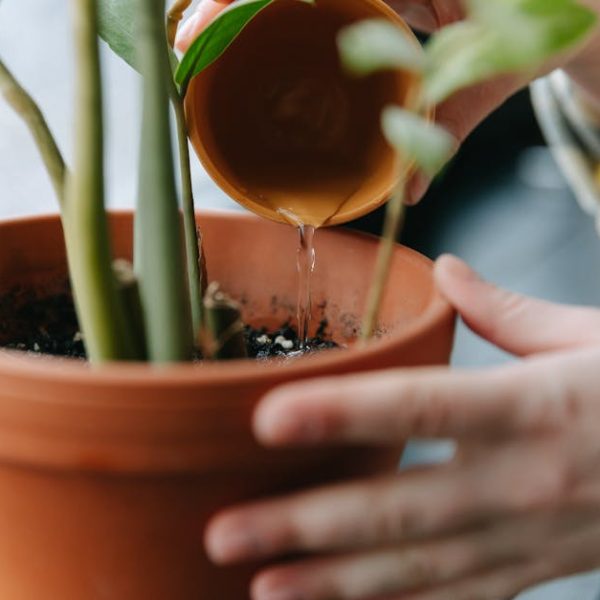
Pot selection greatly influences the health of your basil plant. A pot with excellent drainage is paramount to prevent the roots from sitting in constant moisture, which may lead to root rot. Moreover, adequate size is necessary to accommodate your basil’s growth. Small 8-10 inch pots can handle single plants, while larger pots are suitable for multiple plants.
Comparative analysis of pot materials:
| Material | Pros | Cons |
|---|---|---|
| ———– | ————————— | ————————- |
| Clay | Excellent drainage | Heavy, breakable |
| Ceramic | Aesthetic variety | Heavy, inadequate drainage |
| Plastic | Lightweight, durability | Overheats in sun |
Best Practices: Filling the bottom of your pot with small stones, pebbles or a ceramic shard can drastically enhance drainage efficiency.
Preparing the Ideal Soil Mix for Basil
Basil loves nutrient-rich, well-draining soil. A good basil soil mix should be light and airy to allow water to drain properly. Consider mixing garden soil, organic compost, and perlite or sand to create the perfect environment for your basil.
Remember while preparing your soil mix:
- Make it nutrient-rich: Composting enhances soil fertility.
- Ensure it’s well-draining: Light, airy soil prevents water stagnation.
- Keep it loose: The roots need to breathe.
Best Practices: Basil benefits from regular fertilizing. An organic soluble fertilizer, applied every 4-6 weeks, will suffice. On transplantation, a slow-release fertilizer mixed with the soil works wonders.
Planting Basil Seeds or Seedlings
When it comes to planting basil, you have a choice: either plant seeds or opt for seedlings. If you choose to plant seeds, place them about 1/4th of an inch deep, leaving two inches of distance between each seed. Beginners might find using seedlings easier. Just make sure to plant them deep enough, so their roots are well covered.
Basic steps for successful planting:
- Prepare your pot with the soil mix.
- Make shallow holes for seeds or deeper for seedlings.
- Place the seeds or seedlings gently.
- Cover with a light layer of soil.
- Water gently, avoiding waterlogging.
Pro Tip: Transplant seedlings when they have at least two sets of true leaves, and the expected frost has passed. This typically happens around 4-6 weeks from sowing.
Providing Optimal Basil Care
Proper care is key to a healthy, verdant basil plant. Like most herbs, the trifecta of optimal care includes correct watering, sufficient sunlight, and regular pruning. Aim to water basil only when the soil is dry to the touch, but be careful not to let the plant wilt. When in doubt, under-watering is safer than over-watering. Ensure your basil receives at least 6 hours of sunlight daily. As for pruning, regularly snip off the tips of your plant to promote bushier growth.
Here’s an easy checklist for basil care:
- Water: Check soil moisture before watering.
- Sunlight: Ensure abundant light.
- Pruning: Snip off flowering tops to stimulate growth.
Best Practices: Keep a watch for common pests like aphids and whiteflies. In case of an infestation, a gentle spray of soapy water can be a life-saver.
Harvesting and Storing the Basil
To get the most out of your basil plant, always harvest in the morning, and cut just above the leaves. This practice ensures that the plant continues to grow and you’ll have a generous supply throughout the season. Always cut the leaves rather than pulling them off to avoid causing damage.
Steps to harvest your basil:
- Wait till plant is 6-8 inches tall.
- Cut just above a pair of leaves.
- Rinse and dry the leaves immediately.
Pro Tip: Store fresh basil leaves in a loosely closed plastic bag in the fridge. Alternatively, dry the leaves completely and store them in an airtight container, or freeze them in ice cube trays filled with olive oil.
Common Basil Growing Mistakes to Avoid
There are a few common mistakes made when growing basil. One major mistake is overwatering – this can lead to root rot. Another is insufficient light, which causes leggy plants. Other pitfalls include planting out too soon, overcrowding the pots, or not pruning regularly.
Common mistakes to avoid:
- Over or under watering
- Insufficient sunlight
- Planting too soon
Best Practices: Always allow the soil to dry out between watering, ensure your plant is getting sufficient sunlight, provide plenty of space for growth, and prune your basil plant regularly.
Following these seven essential steps and avoiding common pitfalls will simplify your journey of growing basil in a pot. So, don’t hesitate any longer – immerse yourself in the fragrant world of basil cultivation. Remember, the plant not only spices up your cooking but also fosters a sense of accomplishment. Happy gardening!
Key Takeaway:
- Knowledge about basil’s characteristics, including temperature tolerance, water needs, and sunlight requirements is vital to successful cultivation.
- The choice of pot matters significantly, especially the size, material, and drainage capabilities.
- Basil requires a nutrient-rich, well-draining soil mix for optimal growth.
- Either seeds or seedlings can be used for planting, but the depth and distance between them are key considerations.
- Proper care of basil involves correct watering, sufficient sunlight, and regular pruning.
- The timing and technique of harvesting can greatly affect the flavor and replenishment of basil leaves.
- Avoiding common mistakes such as overwatering, insufficient sunlight, and premature planting can save basil plants from potential damage.
Growing basil in a pot is not only attainable but also simple with the right insight and practices. Sure, there are factors to consider, mistakes to avoid, and tips to keep in mind, but with every small success, your confidence grows, so does your basil. So, go ahead, make the best of these insights, and embark on your green journey.
FAQs
Q: What is the best time of the year to plant basil?
A: Basil is a warm-season herb, so it’s best to plant it after the last frost, typically in spring or early summer, when the soil temperature consistently ranges between 60°F to 90°F.
Q: Can I grow multiple basil plants in one pot?
A: Yes, definitely! Just ensure the pot is large enough so the plants have ample space to grow without crowding each other.
Q: What should I do if my potted basil starts wilting?
A: If your basil is wilting, it could be a sign of improper watering or a pest infestation. Check the soil moisture level and adjust your watering. Also, inspect for pests or diseases and treat if necessary.
Q: Can basil be grown indoors?
A: Absolutely! Basil can grow well indoors given sufficient sunlight (at least six hours a day) and proper care. Placing your pot near a south-facing window can provide sufficient access to natural light.
Q: How often should I fertilize my basil plant?
A: A slow-release, organic fertilizer mixed with soil at the time of planting is sufficient. However, for continuous growth support, you can top feed with an organic fertilizer every 4-6 weeks.
Remember, successful gardening is a matter of patience and practice, so don’t lose heart if you face a few challenges along the way. Feel free to share this article with others interested in growing herbs and explore more gardening posts on our website. Happy growing!