
Indoor gardening is steadily gaining traction as an approachable, rewarding hobby that doesn’t demand vast outdoor spaces. One popular candidate for such cultivation is the cherry tomato – a versatile, delicious fruit that’s easy to grow and satisfying to harvest. This humble fruit’s success indoors hinges on several factors including the variety chosen, precise planting techniques, meeting light and temperature requirements, adhering to efficient watering practices, implementing pest control strategies, and ensuring successful pollination.
Choosing the Right Variety
Indoor environments come with their own set of characteristics as compared to outdoors. Consequently, the variety of cherry tomato you choose should be resilient, adaptable, and ideally, specifically bred for indoor growth. Look out for features like compact plant size, dwarf or bush types, and earlier maturity.
- Dwarf Cherry, Tiny Tim, Micro Tom, and Patio Choice Yellow cherry tomatoes are some varieties known to be well-suited for indoor cultivation.
**Tip:** When selecting seeds or seedlings for indoor gardening, always cross-verify what the packet or tag states with what you’ve researched. Check for terms like ‘great for containers’, ‘suitable for indoors’, ‘bush type’, etc.
Proper Planting Techniques
The way in which you plant your indoor cherry tomatoes will significantly influence their overall health and productivity. Preparation is key – from the soil mixture you use to the container’s size.
– A step-by-step guide for planting:
1. Fill a container with a soilless potting mix, leaving an inch or two at the top.
2. Gently place your seed or seedling in the center, and cover with more mix.
3. Firm lightly and water well.
4. Set the pot in a well-lit and warm spot.
✔️ **Best Practice:** For indoor cultivation, use a soilless potting mix. These mixes are light, well-draining, and perfect for containers. Choose a mix that contains peat moss or coco coir, vermiculite or perlite, and compost or worm castings.
Optimal Light Requirements
Cherry tomato plants are sun-loving species. When grown indoors, they require the equivalent of 8-12 hours of sunlight each day, whether it’s natural or artificial.
– Natural Sunlight vs. Artificial Light:
| Natural Sunlight | Artificial Light |
|---|
| ———– | ———– | ———— |
|---|
| Potential Effectiveness | Highly effective if enough is available. | Can be tuned to provide the perfect light spectrum. |
|---|
| Consistency | Depends on season, weather, and window positioning. | Consistent; can be controlled. |
|---|
**Pro Tip:** If natural light is limited, consider supplementing with artificial grow lights. Place the lights within a couple of inches above the plant, moving them up as it grows. Ensure the light exposure is around 8-12 hours per day.
Maintaining The Right Temperature
Cherry tomatoes, like most tomato plants, thrive in temperatures between 65-85°F. It’s important to maintain this optimal range for the plants to perform best.
- Regular Temperature maintenance tasks:
1. Use a indoor thermometer to monitor the ambient temperature.
2. In colder climates, consider using heat mats beneath the plants.
3. During excessively hot weather, ensure your plants are not near windows that could cause over-exposure to heat.
- Regulating Temperature: Passive Heating vs. Active Heating:
| Passive Heating | Active Heating |
|---|
| ———– | ———– | ———— |
|---|
| Pros | Economical and energy-efficient. | Provides precise control over temperature. |
|---|
| Cons | Less control; dependent on external factors. | Can be expensive to install and operate. |
|---|
Efficient Watering Practices
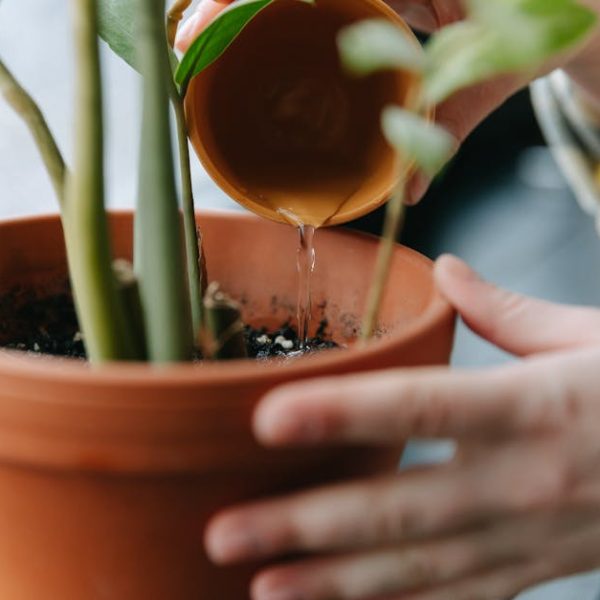
Correct watering practices are vital for indoor cherry tomatoes. The goal is to maintain moist, but not waterlogged, soil.
- Generally, water your indoor cherry tomatoes once the top inch of the potting mix feels dry.
- Ensure the container has ample drainage holes to prevent waterlogging.
**Best Practice:** Avoid watering the leaves as this could lead to fungal diseases. Additionally, watering in the morning is best as this gives the plant enough time to drink up before the cooler evening temperatures set in.
Pest Control Strategies for Indoor Plants
Even in an indoor environment, cherry tomatoes are susceptible to a host of pests. Regular monitoring and implementing preventive measures are essential in keeping your plants pest-free.
- Some common indoor pests include aphids, whiteflies, spider mites, and thrips.
**Pro Tip:** Prevention is the key to pest control. Always quarantine new plants before introducing them to your indoor garden. Regularly check for pest signs and take action immediately. Use organic or chemical pesticides selectively and only when necessary.
Pollination Process for Indoor Tomatoes
Unlike in nature, where bees and wind take care of tomato pollination, indoors, you’ll need to lend a helping hand. Pollination is crucial to make your tomato plants bear fruit.
- The best technique for pollination indoors include gently shaking the flowering stalks or using a small paintbrush to transfer pollen from the male stamen to the female pistil.
**Tip:** Indoor cherry tomato plants are ready for pollination when flowers are fully open and you can see the yellow pollen. This usually occurs in late morning.
To conclude, growing cherry tomatoes indoors can be a delightful and rewarding experience. By understanding and implementing these seven essential tips, you’ll be well on your way to a healthy and fruitful harvest. Happy indoor gardening!
Key Takeaway:
- The successful indoor cultivation of cherry tomatoes relies on several factors such as selecting the right variety, appropriate planting techniques, ensuring sufficient light exposure, maintaining the right temperature, effective watering practices, pest control strategies, and efficient pollination.
- Species like the Dwarf Cherry, Tiny Tim, Micro Tom, and Patio Choice Yellow are well-suited for indoor cultivation.
- Using a soilless potting mix is suggested for planting indoors.
- Cherry tomatoes require 8-12 hours of light daily.
- It’s essential to maintain an ambient temperature of between 65-85°F for optimal growth.
- Watering should be done only when the top inch of soil feels dry, and watering in the morning is recommended.
- Regular checks for pests should be carried out, and pest control measures should be implemented immediately when necessary.
- The process of pollination indoors may require gentle shaking of the flowering stalks or using a small paintbrush.
In any indoor gardening venture, hitches are inevitable, but the joy and satisfaction that comes with nurturing a plant from a small seed and watching it bear fruit are priceless. So, don’t let the bumps deter you, instead, embrace the learning and growth that comes with the process! Happy indoor cherry tomato gardening!
FAQs
Q: Are there specific varieties of tomatoes other than cherry tomatoes that are suitable for indoor gardening?
A: Absolutely, there are several tomato varieties apart from cherry tomatoes that are suitable for indoor gardening, such as Roma and San Marzano. However, the tips mentioned in the article are particularly tailored for cherry tomatoes.
Q: Can plants other than tomatoes be grown using similar indoor gardening techniques?
A: Yes, many other plant varieties including herbs, other vegetables, and even fruits, can be grown indoors using similar techniques. However, each plant species has its unique requirements so it’s recommended to research before you begin.
Q: What should I do if my indoor plants seem to be growing too slowly?
A: Slow growth could be due to a variety of factors including insufficient light, inadequate nutrients or watering, or inappropriate temperature. Evaluate these factors and make necessary adjustments. If the problem persists, consult a plant or garden expert.
Q: Is it possible to grow cherry tomatoes indoors all year round?
A: Yes, with indoor gardening, you won’t have to worry about seasons. However, you need to provide sufficient light, proper temperature, and the right growing conditions to ensure a continuous cycle all year round.
Q: How long does it take for a cherry tomato plant to bear fruit indoors?
A: Indoor cherry tomato plants usually start to bear fruit about 60-70 days after planting, depending on the variety and growing conditions. Remember, patience and consistent care are key!
Remember to share this article with fellow garden enthusiasts and explore more posts on our website for other fruitful insights! Happy gardening!