Our first step towards a healthier environment begins with acknowledging the harm caused by chemical pesticides. Despite their efficacy in pest control, chemical pesticides can have adverse effects not only on fruit flies but also on humans, pets, and the environment. Research has linked prolonged exposure to chemical pesticides with various health issues in humans like skin and eye irritation, nausea, headaches, dizziness, and in severe cases, certain cancers.
Chemical pesticides also pose a serious threat to pet health. Symptoms may range from vomiting, diarrhea, seizures, respiratory problems, to difficulty walking. In the broader picture, these pesticides contribute significantly to environmental pollution. They can contaminate soil, water, turf, and other vegetation.
Common ingredients found in pesticides include:
– Bifenthrin
– Cyfluthrin
– Fipronil
– Permethrin
– Pyrethroids and Pyrethrins
Alternatives to Chemical Flies Sprays
Natural alternatives to chemical sprays are not only beneficial to the environment but can be quite effective in eliminating fruit flies. Operating on the principles of non-toxicity to pets and humans, these natural sprays afford protection to your home without compromising health and safety.
To provide a better understanding, let’s evaluate the pros and cons of chemically-induced sprays versus natural sprays:
| Aspects | Natural Sprays | Chemical Sprays |
|---|---|---|
| Efficacy | Effective | Highly effective |
| Environmental Impact | Minimal | High |
| Potential Health Risks | Minimal | Can be severe |
If you’re interested in making the transition to natural sprays, consider implementing this guideline: phase out the use of chemical sprays gradually, replacing them with their natural counterparts over time.
DIY Natural Sprays for Fruit Flies
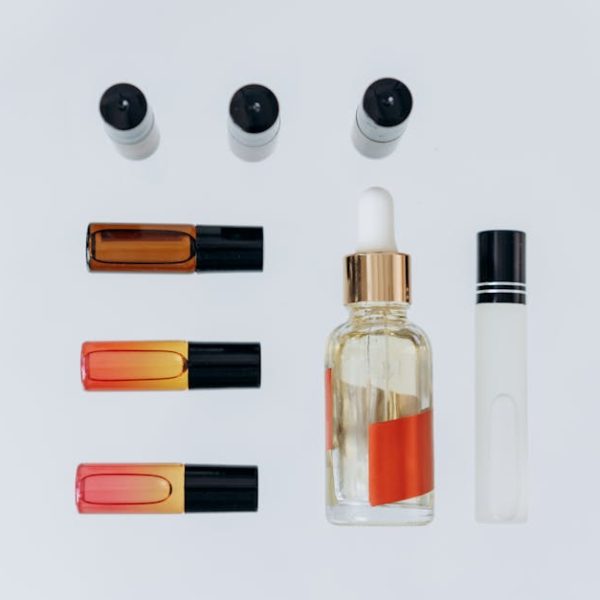
Homemade natural sprays are an ideal solution for those wishing to personally control the ingredients they expose their homes to. Preparation typically involves combining vinegar, essential oils, and a soap solution, producing a powerful, non-toxic weapon against fruit flies.
To craft your own DIY natural fruit fly spray:
- Gather your ingredients (vinegar, essential oils like lemongrass or eucalyptus, and dish soap).
- Combine in a spray bottle.
- Shake well.
- Your natural spray is ready for action!
Remember that lemon, peppermint, and cinnamon are other products readily available at home that serve as effective deterrents to fruit flies.
Commercially Available Natural Sprays
For individuals seeking a quicker solution without compromising on safety, commercially available natural sprays serve as a great alternative to DIY sprays. These sprays are readily available in local and online stores, and typically feature a blend of organic and non-toxic ingredients. Brands like Wondercide and Eco Defense, for example, offer natural sprays that effectively deal with fruit flies without harming your household members or pets.
Let’s compare the merits of DIY Sprays vs. Commercial sprays.
| Aspects | DIY Sprays | Commercial Sprays |
|---|---|---|
| Cost | Low | Can be higher |
| Convenience | Requires time and materials | Ready to use immediately |
| Composition Control | Complete control over ingredients | Depends on the brand |
Best Practices for Using Natural Fruit Fly Sprays
Successfully using natural sprays to control fruit flies relies on more than just the right product; it also involves correct application and adherence to safety measures. Spray in areas frequently visited by fruit flies, such as the kitchen and around garbage bins, and ensure that food and eating utensils are safely covered or away from the sprayed area.
To help you apply your natural fruit fly spray correctly, here are some vital do’s and don’ts:
- DO read and follow product instructions.
- DON’T spray directly onto food or food preparation surfaces.
- DO give the spray enough time to dry before using the area.
- DON’T excessively use the spray; a little goes a long way.
Factoring in natural sprays in your fruit fly control strategy involves consistent application, regular cleaning, and ensuring food waste accumulation is minimized. While it might seem daunting at first, a little commitment and arrangement can make your home free from fruit flies and harmful products.
Key Takeaway:
- Chemical pesticides, though effective against fruit flies, pose health risks to humans, pets, and cause environmental pollution. Common chemicals include Bifenthrin, Cyfluthrin, and Fipronil.
- Natural sprays are effective alternatives with minimal environmental impact and health risks. They can be homemade with ingredients like vinegar, essential oils, and dish soap, or purchased from responsible brands.
- Proper usage of natural sprays involves appropriate application areas, following product instructions, ensuring food and utensils are not in the sprayed area.
Remember, the health of our homes and the environment lies in our hands. Opting for natural fruit flies sprays means choosing both efficacy in pest control and safety for our loved ones and nature. Together, we can build a healthier and safer surrounding.
FAQs
Q: Are natural fruit fly sprays as effective as chemical ones?
A: Yes, natural sprays can also be very effective in getting rid of fruit flies. However, they may require more frequent application than their chemical counterparts.
Q: Can I use other essential oils in homemade sprays?
A: Yes, different essential oils such as tea tree, lavender, or geranium can be used. Just make sure you’re not allergic to any of the oils.
Q: Where can I buy commercial natural fruit fly sprays?
A: Natural fruit fly sprays can be purchased from both local and online stores. Always check for transparent ingredient lists before buying.
Q: Is vinegar necessary for a homemade natural spray?
A: Vinegar serves as a base for many homemade natural sprays due to its repellent effect on fruit flies. However, you can experiment with other ingredients like witch hazel or rubbing alcohol.
Q: Can I use natural sprays around my pets?
A: Natural sprays are generally safer for pets than chemical ones. Still, ensure to spray in areas less frequented by pets and allow the spray to dry before letting your pet back in the area.
Feel free to share this article with others who might find it useful and explore our website for more insightful tips and advice!