While it’s commonplace to reach for aerosols or bug sprays to ward off pesky mosquitoes, surprisingly, it’s not our only option. The good news? You can employ a myriad of inventive and more natural approaches to get this job done effectively—without breaking the bank on cans of Deet! This article will explore the fascinatingly diverse ways to repel mosquitoes from integrating certain plants to making DIY mosquito traps and everything in between.
Using Plants as Natural Mosquito Repellents
The natural world is full of wonders, one of which is the arsenal of plants that effectively ward off mosquitoes. For example:
- Citronella: Known as the mosquito plant, it is widely recognized for its repellent properties. Growing citronella in your garden or in pots placed around your patio can help deter mosquitoes from lingering in these spaces.
- Lavender: Besides its calming fragrance, mosquitoes find lavender’s scent unappealing. The plant’s essential oils can also be applied to the skin as a natural repellent.
- Marigolds: These vibrant flowers produce a distinctive aroma that mosquitoes detest. Place them near windows or entrance points to dissuade these buzzy intruders.
- Other noteworthy mosquito-repelling plants include Basil, Lemon Balm, and Catnip.
The Role of Clothing in Mosquito Protection
Your wardrobe choices can significantly impact your appeal to mosquitoes. Did you know mosquitoes are more attracted to dark-colored clothing? Practical attire choices include:
- Light-colored clothing: Mosquitoes are less drawn to light colors that reflect sunlight, making them a great choice for outdoor activities in mosquito-infested areas.
- Loose-fitting attire: Since mosquitoes can bite through tight clothes, loose, breathable attire is recommended.
- Full coverage clothes: Maximize the fabric between your skin and mosquitoes. Think long sleeved shirts and long pants.
Best practices worth noting include:
- Opt for fabrics that are tightly woven; mosquitoes find it harder to penetrate these materials.
- Don closed shoes and socks to protect your feet.
- Hats with nets provide excellent face and neck protection.
Importance of Eliminating Mosquito Breeding Grounds
To keep mosquito populations at bay, focusing on eliminating their breeding grounds is crucial. Mosquitoes are known to breed in standing water. Here’s how you can wage war:
- Regularly inspect your property for standing water. Common culprits include flower pots, tires, buckets, and rain barrels.
- Keep birdbaths, pet dishes, and similar sources of stagnant water clean.
- Maintain pools with appropriate water treatments to dissuade mosquito breeding.
A handy checklist for maintaining a mosquito-free yard includes regular yard inspections, ongoing gutter cleaning, and the strategic overturning of water-filled containers. With these practical methods, you can repel mosquitoes in ways that are kinder to the environment and beneficial for your health and that of your loved ones. Up next, we’ll look into DIY mosquito traps and their efficacy. Stay tuned!
Using Home-made Mosquito Traps
If you love a good do-it-yourself project, then creating a homemade mosquito trap is for you. These homemade traps are not only easy and cost-effective but can also form part of your environmentally friendly mosquito control strategy. But how effective are they? We delve into their benefits and drawbacks.
Here’s an example of a simple but powerful mosquito trap:
- Grab a cut plastic bottle and flip the cone part upside down into the lower part of the bottle, forming a funnel.
- Pour a small amount of sugar and warm water into the bottom of the bottle, then add some yeast. This concoction ferments and produces carbon dioxide, irresistibly alluring to mosquitoes.
- Mosquitoes find their way into the bottle seeking the source of the carbon dioxide but find it impossible to return out, trapping them inside.
Take a look at this comparison table of different DIY traps and their efficiency:
| Type of Trap | Materials | Efficiency |
|---|---|---|
| Bottle trap | Plastic bottle, sugar, water, yeast | High |
| Fan trap | Box fan, screen netting, magnets | Medium |
| Egg carton trap | Egg carton, lighter | Low |
These homemade traps work well as an additional layer to your mosquito repellent strategies. However, their effectiveness may vary based on the specifics of your environment, such as temperature, humidity, and mosquito species.
Food and Scents That Repel Mosquitoes
Combine the power of aromatics and repellent foods to naturally dissuade mosquitoes.
- Garlic: Not only does consuming garlic make your blood less appealing to mosquitoes, but also used externally, it serves as a great deterrent.
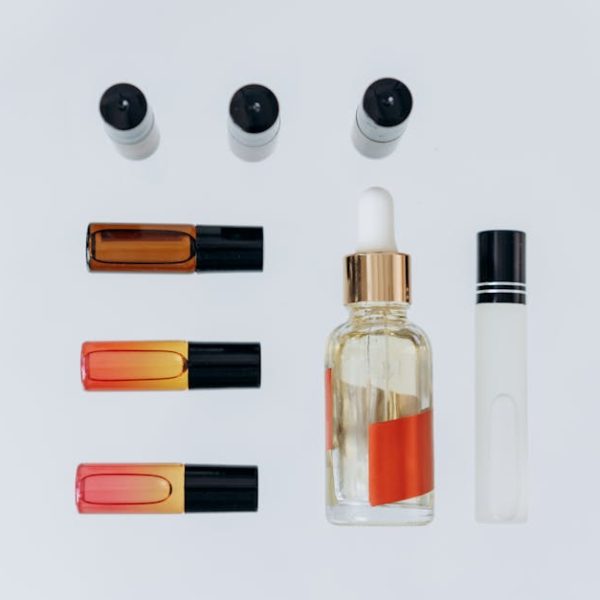
- Vanilla: Mosquitoes loathe the scent of vanilla. You can create a homemade mosquito spray by adding vanilla extract to water and spritzing around your home.
- Tea tree oil: This oil boasts an array of health benefits, one of which includes repelling mosquitoes. This can be applied to the skin or diffused around the house.
Pro Tip : For maximum effectiveness:
- Use essential oils such as lavender or tea tree as diffusers around your home.
- Place garlic cloves in areas where mosquitoes are common, especially in outdoor seating zones.
Remember, these methods should be combined with other strategies discussed earlier for best results.
Conclusion
Bidding adieu to mosquitoes doesn’t have to be a toxic affair. By adopting natural mosquito repellent strategies like using certain plants, opting for mosquito-confusing clothing, eliminating breeding grounds, creating homemade traps, and harnessing the power of repellent foods and scents, mosquitoes don’t stand a chance. Control these unwelcome guests with environmentally friendly practices that shield you, your loved ones, and your environment from harm. Bid farewell to harsh chemical products and say hello to a serene, mosquito-free existence. Now that’s a breath of fresh air!
Key Takeaway:
- Using certain plants like Citronella, Lavender, and Marigolds can repel mosquitoes.
- Mosquito protection depends greatly on clothing choice – wearing light-colored, loose-fit clothes that cover as much skin as possible is recommended.
- Eliminating mosquito breeding grounds such as standing water can decrease their population in your vicinity.
- DIY mosquito traps can be an effective and cost-friendly method of mosquito control.
- Certain foods and scents like Garlic, Vanilla, and Tea tree oil can function as a natural mosquito repellent.
Instead of relying on chemical sprays, there are plenty of natural, effective, and easy-to-implement strategies, like using certain plants and clothing, creating DIY traps and making the most of specific foods and scents, to keep mosquitoes at bay. Protect your household and the environment by taking these simple yet impactful steps towards a mosquito-free home.
FAQs
Q: How can I use plants effectively to repel mosquitoes?
A: You can strategically position mosquito-repelling plants around your garden or patio, and near windows or entrance points. You can also use some plant’s essential oils as natural repellents.
Q: What happens if I do not eliminate standing water in my area?
A: Standing water is a breeding ground for mosquitoes. Not eliminating it can lead to an increase in the mosquito population around your environment.
Q: How effective are DIY mosquito traps?
A: DIY mosquito traps can be quite effective. However, their effectiveness may vary based on factors like temperature, humidity, and mosquito species in your area.
Q: Can eating certain foods keep mosquitoes away?
A: Certain foods like Garlic can make our blood less appealing to mosquitoes. Moreover, external use or diffusion of certain food-derived scents can repel mosquitoes.
Q: Does clothing color affect mosquito attraction?
A: Yes, mosquitoes are more attracted to darker clothing. Wearing light-colored clothes that reflect sunlight can make you less appealing to them.
We encourage you to share these insights and explore more posts on our website to further protect your home from pests in an environment-friendly manner.