Were you just about to enjoy a quiet afternoon at home when you noticed a helpless stink bug wedged in your siding, possibly planning to make it a permanent residence? Don’t worry; we’re here to eliminate these unwelcome visitors.
Ornate the Importance of Dealing with Stink Bugs
Stink bugs, while a seemingly little nuisance, can cause a considerable amount of damage to your house siding over time. Their feeding habits can result in coring, leaf stippling, and seed loss, which tarnish and ultimately ravage the aesthetics and structural integrity of your siding. They also emit an unpleasant odor, as their name suggests, adding unnecessary discomfort to your living experience.
Caught early, the damage can be contained and managed; hence, the importance of vigilance and understanding the signs of stink bug infestation cannot be stressed enough. These signs include discoloration of your walls, an unusual scent, and of course, visible bugs. It’s worth noting that these harmless-looking bugs might pose some health and safety risks, primarily if they gain entry into your living areas.
Understanding Stink Bugs’ Habitats and Life Cycle
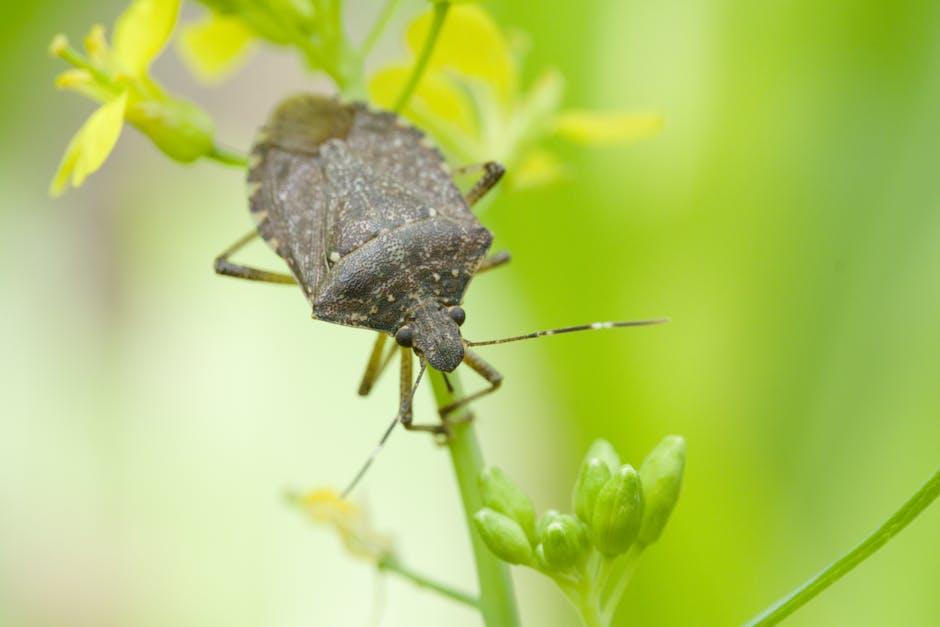
Getting to know your winged adversaries is vital for halting their invasion. Stink bugs, largely herbivores, typically infest leafy trees, shrubs, and weeds. However, they may find house sidings to be cozy alternatives, especially the southwest facing walls that hold the warmth of the lingering sun during winter months.
Understanding their life cycle is also essential. Stink bugs have five developmental stages before reaching adulthood, each more aggressive than the last. These growth stages (called instars) serve as the perfect targets for effective stink bug elimination.
Comparatively, stink bugs can seem similar to some other insects. For instance, their brown marmorated species is often confused with western conifer seed bugs or squash bugs. A detailed comparison table can help distinguish stink bugs, ensuring you target the right pests.
Preventative Measures to Keep Stink Bugs Away
Like the old saying goes, prevention is better than cure, and it couldn’t be truer when dealing with stink bugs. Regular home maintenance, such as sealing all cracks and gaps in your sidings, window, and door frames, can help limit their access. Additionally, using bug repellents or natural deterrents like garlic, mint, tansy, or even a DIY stink bug spray can keep the bugs at bay.
Adopting these preventative strategies will save you time, money, and effort in the long run, making sustainability agile and possible. A handy checklist for regular home maintenance can ensure that you’re preventing bug infestation without any gaps.
Remedies for Existing Stink Bug Infestation
If you’ve detected an infestation, don’t panic; there are efficient ways to deal with it. Stink bugs can be removed using simple household items like a soapy water solution and vacuum cleaner. Simply mix some dish soap and water in a spray bottle and spray directly onto the bugs. This breaks down their protective exoskeleton and eventually kills them. Alternatively, bugs can be vacuumed up but ensure to dispose of them properly to avoid dealing with stinky vacuum bags.
Another method is using pesticides or even bug bombs, but these should be handled with care due to potential safety concerns. Pesticides must be used in accordance with label instructions, ensure confined use to avoid contaminating non-target areas.
Pro Tip: Handle these bugs carefully to avoid triggering the release of their foul-smelling defense mechanism. Use tools or objects rather than hands to avoid unwanted odors.
Sometimes, the infestation can be overwhelming, and professional pest control services might need to be summoned. Expert intervention is not a setback, but a step towards zero infestation.
Follow-up Actions after Stink Bug Removal
So, you’ve gotten rid of the bugs- great job! Your work, however, doesn’t stop here. Ensuring a stink bug-free home requires consistent effort and vigilance. Damaged or infested sidings should be repaired or replaced as they may serve as entry points for future invasions. Regular home inspections and cleanups are crucial to keep check on re-infestation.
Consistent application and rotation of repellents (both natural and synthetic) can deter stink bugs from setting up shop again. Make sure to seal potential entry points such as cracks and holes in walls or foundations.
| Pesticides | Natural Repellents |
|---|---|
| More effective, but potentially hazardous | Less effective, but safer for home and environment |
| Can be expensive | Cost-effective, can be created from common household items |
| Requires protective gear to use occasionally | Usable without the need for protective gear |
Finally, education is key. Share these practices with your family members and ensure they are well aware of the need to maintain a stink bug-free environment. In the end, eliminating stink bugs from your house siding is not just about making your home more comfortable today, but preserving it for the many tomorrows to come. One more step towards a cozy, stink bug-free home!
Key Takeaway:
- Stink bugs can cause significant damage to house sidings and inside the home, affecting aesthetics, structural integrity, and living comfort. Recognizing the importance of dealing with stink bugs early can limit potential damages and prevent health risks.
- Understanding stink bugs’ habits and lifecycle aids in effective elimination. It’s crucial to distinguish them from other similar-looking pests.
- Regular home maintenance, use of bug repellents or natural deterrents, and comprehensive preventive strategies can save time, money, and effort in the long run. Early prevention is always recommended over remedial action.
- When dealing with an existing infestation, care should be taken while removing bugs to avoid triggering their stench. Options range from DIY methods to professional pest control services.
- After removal, consistent application of deterrents, frequent home inspections, and educating household members are vital to maintaining a stink bug-free home.
It’s never a pleasant experience dealing with stink bugs, but armed with knowledge and the right strategies, you can effectively eliminate and prevent their nuisance. Remember, a stink bug-free home is not just cleaner, it’s safer and more comfortable. So, shoulder on, knowing that you’re capable – and just one step away from living bug-free!
FAQs
Q: Are stink bugs harmful to humans or pets?
A: Generally, stink bugs do not pose a direct health threat to humans or pets. However, they can produce a strong, unpleasant odor as a defense mechanism, which can cause discomfort or allergic reactions in some people or pets.
Q: What time of year are stink bugs most active?
A: Stink bugs are typically most active in the warmer months of spring and summer when they’re reproducing. As temperatures drop in fall and winter, they seek warm shelter like in the crevices of house sidings.
Q: Is it safe to use pesticides for stink bug elimination?
A: Pesticides can effectively get rid of stink bugs, but they need to be used carefully, following label instructions, due to potential safety concerns. Never spray in areas where children or pets frequent.
Q: How can I avoid a stink bug re-infestation in the future?
A: Regularly maintain your home, seal any cracks or gaps, and apply natural or synthetic repellents consistently. Keeping proper cleanliness and hygiene can help deter stink bugs from returning.
Q: Does professional pest control guarantee stink bug elimination?
A: Professional pest control can significantly reduce and often eliminate a stink bug infestation, yet it’s not always 100% guaranteed. Remember that prevention and regular maintenance are equally crucial to keep stink bugs away in the long run.
Feel free to share this article with friends and family dealing with a stink bug problem, and explore more posts on bug prevention and home maintenance tips on our website!