Perennials are the cornerstone of almost every garden, celebrated for their diversity and durability. Unlike annuals and biennials, perennials offer an enduring presence, growing back each year after a dormant winter period. Every gardener, from a beginner to a seasoned enthusiast, can reap the benefits of perennials—they’re versatile, low-maintenance, and offer an array of colors and textures to enjoy year after year.
Understanding Perennials
A perennial is a type of plant that lives for at least three years, with many lasting far longer. They’re differentiated from annuals, which complete their life cycle in a year, and biennials, which spread their cycle over two years. As biologically perennial—those plants that remain in the garden throughout the year—perennials cultivate their roots deeper and revitalize themselves each spring, creating an ensemble of flowers and foliage that rise to mark the new season.
Perennials Vs Annuals and Biennials:
| Perennials | Annuals | Biennials | |
|---|---|---|---|
| Life Span | Three or more years | One year | Two years |
| Growth Phases | Bloom and dieback in cycles | Bloom and die in the same year | Leaves in the first year, flowering in the second |
| Maintenance | Generally low | Medium to high | Medium |
Pro-tip: Perennials are an excellent option for novice gardeners—they require minimal maintenance, and their long lifespan ensures a vibrant and reliable garden landscape.
Choosing the Right Perennials for Your Garden
Before choosing perennials, there are several factors you should consider. Sunlight, soil type, climate, and even your personal preferences play a vital role in the growth and success of your perennials. Here’s a checklist to guide you:
✓ Sunlight: Some perennials require full sun, others partial, and some thrive in shade. Check the plant’s sunlight requirements.
✓ Soil Type: Determine the type of soil in your garden—loamy, sandy, or clay. Different perennials thrive in varying soil types.
✓ Hardiness Zone: Check the plant’s hardiness zone and compare it with the hardiness zone of your garden to ensure compatibility.
✓ Color Choice: Choose plants with an eye on your garden’s overall color scheme.
Best Practice:
Take time to study your garden space and conditions thoroughly before committing to specific perennials. This will ensure your selected plants will not only survive but thrive in their environment.
List of Top Easy-to-Grow Perennials
Discover the joy of gardening by starting with easy-to-grow perennials. These stalwarts of the garden bring a splash of color and life to your outdoor space, and their minimal maintenance will make your gardening experience delightful.
Top Easy-to-Grow Perennials:
- Rudbeckia: Also known as Black-Eyed Susan, these flowers grow well under full sun and has a rich golden color. Blooming from mid-summer to late fall, they’re drought-tolerant, making them perfect for hotter climates.
- Daylilies: With their grassy leaves and colorful flowers, daylilies grow well in a range of conditions and bloom best in full sun to light shade.
- Hostas: These shade-lovers offer gorgeous foliage in different shades of green and bloom delicate white or lavender flowers mid-summer.
- Coneflowers: Known for their distinctive purple-pink petals and orange-brown centers, coneflowers are drought-tolerant and thrive in full sun.
Pro-tip: If you’re a beginner gardener, start with rudbeckia or daylilies. They’re forgiving, low maintenance, and provide exciting color to your garden.
Care and Maintenance of Easy-to-Grow Perennials
Caring for perennials involves a routine of watering, pruning, and fertilizing. Fortunately, most perennials are relatively low-maintenance and hardy, making it easy even for beginners.
Best Practices:
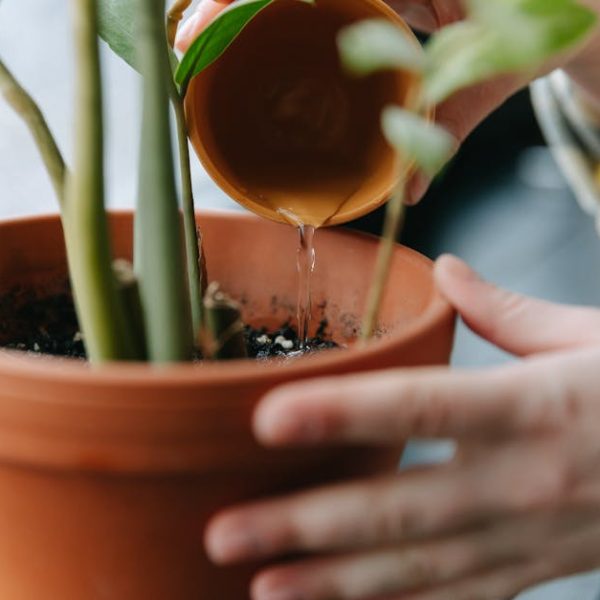
- Water your perennials properly. The frequency depends on the plant type and climate.
- Prune deadhead flowers regularly to encourage more blooms.
- Fertilize only as needed; many perennials are fine with just the nutrients present in the soil.
Common Pests and Diseases:
- Slugs and snails can damage foliage and stems, treat with organic slug bait or diatomaceous earth.
- Aphids, prevent by attracting beneficial insects or using natural sprays.
- Powdery Mildew, ensure plants have good airflow and don’t wet leaves during watering.
Designing Your Garden With Perennials
Designing a garden with perennials gives you an opportunity to create an evolving canvas of colors, textures, and forms. And the best thing? Perennials return year after year, altering your garden landscape to new levels of beauty.
Considerations when designing your garden:
✓ Height: Arrange plants so that taller ones don’t shade smaller neighbors.
✓ Color Schemes: Face complementary colors toward each other to enhance their visual impact.
✓ Blooming Period: Combine early, mid, and late-blooming perennials for a garden that’s always in bloom.
Pro-tip: Don’t cling to strict design rules. Part of the beauty of a garden is its imperfection and spontaneity. Feel free to experiment, rearrange, and harmonize different perennials to create your personal garden oasis.
Key Takeaway:
- Perennials, with their long-lasting presence in the garden, are a great choice for all levels of gardener due to their versatility and low maintenance.
- Certain key factors like sunlight, soil type, hardiness zone, and personal color preference play a significant role in the selection of perennials for a garden.
- Rudbeckia, Daylilies, Hostas, and Coneflowers are identified as some of the easiest perennials to grow, making them suitable for beginner gardeners.
- Regular care practices like watering, pruning, and necessary fertilization ensure the health and longevity of perennials.
- Designing a garden with perennials requires considering plant heights, color schemes, and blooming periods for a harmonious display.
Embrace the joy of gardening by starting with easy-to-grow perennials. Get to know your garden, study it well, and choose resilient perennials to adorn it with minimal maintenance. With patience and persistence, you will soon be rewarded with a vibrant, lasting piece of nature’s paradise.
FAQs
Q: How much watering do perennials need?
A: The watering needs of perennials differ based on the specimen and climate. Research your specific plant species needs for best results.
Q: Can perennials grow in pots?
A: Yes, many perennials can thrive in pots or containers, given they have enough space for root growth.
Q: What time of year is best for planting perennials?
A: Spring or Fall is generally the best time to plant perennials as the weather is milder.
Q: How often should perennials be fertilized?
A: Fertilization depends on the specific type of perennial and the quality of your soil. Many varieties do well with just the nutrients present in the soil.
Q: When should I prune my perennials?
A: Pruning times depend on the specific type of perennial. Generally, deadheading or removing spent flowers should be done regularly to encourage more blooms.
Please share this article with your fellow gardening enthusiasts and explore more of our posts to enhance your gardening experience!