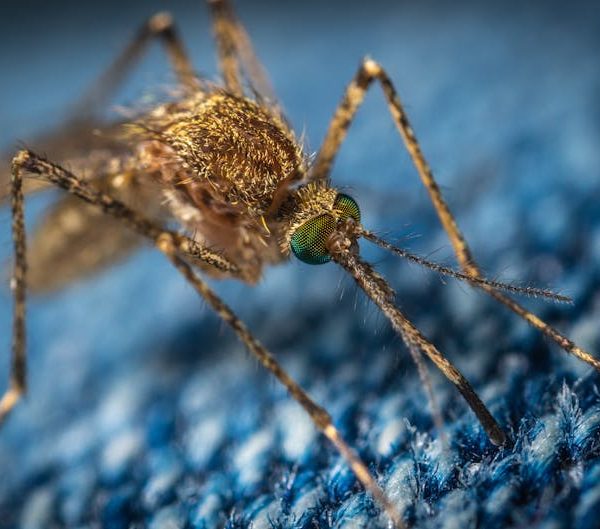
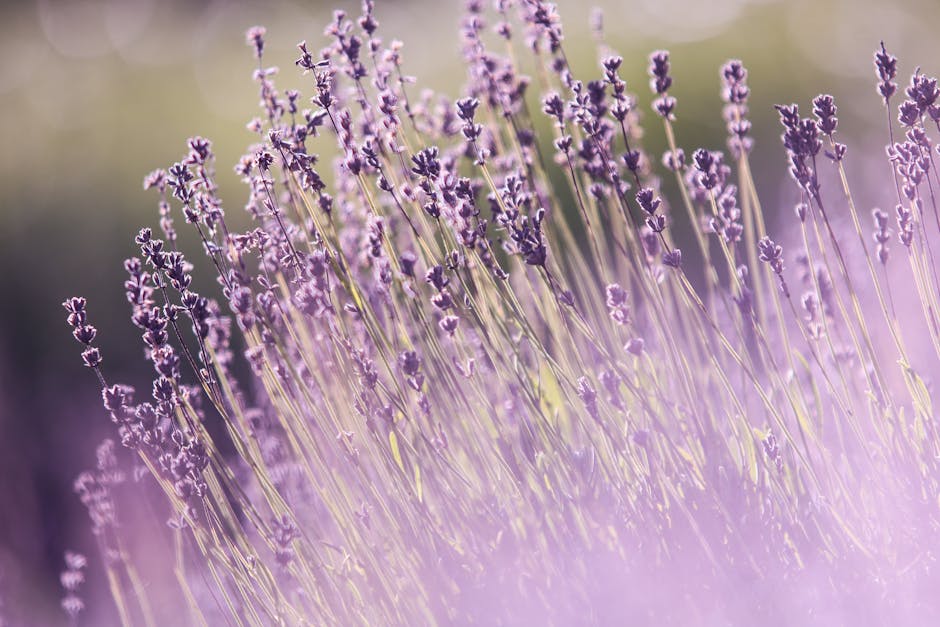
Whether you’re an avid gardener or simply someone looking to tackle mosquitoes in a natural way, the power of specific plants to repel these pesky insects should not be overlooked. Plants can serve as our allies, providing a safer and more eco-friendly solution to the mosquito menace that doesn’t come with the chemical aftermath of most commercial repellents. Not all plants have mosquito-repelling properties, but there are definitely some frontrunners that shine in this arena—let’s find out more about these natural friends.
Overview of Mosquito-Repelling Plants
At first, the concept of plants that repel mosquitoes may seem foreign. After all, aren’t insects attracted to plants? While it’s true that many insects find plants appealing for various reasons, certain plants emit scents or substances that mosquitoes find downright off-putting.
These plants range from ornamental flowers like Marigolds, to herbs such as Rosemary and Basil, and even to a few carnivorous varieties like the Pitcher Plant. The key to their mosquito-repelling success lies in their natural oils, which, when released, deter mosquitoes from making nearby humans their next target.
For best results, place these plants in areas where mosquitoes are most notorious: near standing water, around outdoor leisure areas, or close to doorways and windows where mosquitoes might venture indoors.
The Science Behind Plant-Based Mosquito repellents
So, how do these plants actually keep mosquitoes at bay? The secret lies in Mother Nature’s own chemical formulas. Certain plants produce natural compounds—usually present in their essential oils—that mosquitoes find off-putting or outright toxic.
However, it’s crucial to understand the limitations of plant-based repellents. While they can certainly reduce the number of mosquitoes in your immediate vicinity, they’re unlikely to provide the 100% protection that synthetic repellents offer. But don’t write them off just yet; these plants can play a crucial role in a comprehensive mosquito control strategy.
In fact, combining plant-based repellents with other methods—like eliminating standing water and using mosquito nets—can create an even more effective defense against these persistent pests.
Top Mosquito Repelling Plants and Their Specific Characteristics
While there’s a healthy variety of mosquito-repelling plants to choose from, some have clearly proven their worth over time. Essential on this list of top performers are:
- Lemongrass: Best known for its high concentration of citral, a natural oil that mosquitoes loathe. As a bonus, you can also use it to add a zesty flavor to your dishes.
- Citronella: What most ‘mosquito-repellent’ candles imitate, this plant exudes a strong citrus scent that deters mosquitoes. It’s also robust, making it easy to grow.
- Marigolds: These vibrant flowers not only beautify your garden but also emit a unique scent that mosquitoes find deadly. They are particularly effective when placed near entrances.
- Mint: This herb emits a pleasant minty aroma that mosquitoes hate. Plus, you can use the leaves to make a refreshing summer mojito!
- Rosemary: Known for its Mediterranean origins, this plant’s fragrance deters mosquitoes. Plus, it makes an excellent addition to your herb garden.
Each plant varies in terms of repellent strength and ease of maintenance. Choosing the right ones will depend on your location, climate, and your gardening skills.
How to Incorporate These Plants into Your Home and Garden
Incorporating mosquito-repelling plants into your home and garden can be simple. Many of these plants not only keep mosquitoes away but can also add beauty and utility to your spaces.
Here’s a checklist to help you get started:
- Decide which plants are right for your space considering the climate, soil conditions and light exposure
- Research on each plant’s specific growth requirements and care tips
- Choose a suitable location for each plant. Remember, some repelling plants work best in areas frequently visited by mosquitoes.
- Keep the plants healthy. Only when they are fully grown and flourishing will they have maximum mosquito-repelling power.
For effective mosquito control, it’s advisable to distribute these plants around your home, particularly near entrances, windows, and outdoor leisure areas. Don’t forget to pot a few plants and place them inside your home to maintain a mosquito-free environment indoors.
Safety and Precautions When Using Mosquito-Repelling Plants
While these plants offer a natural way to repel mosquitoes, it’s essential to take certain precautions. Some plants might cause allergic reactions or be toxic, especially to pets or small children. Before you get started, make sure to research each plant thoroughly or consult a professional.
Be mindful of:
- Citronella, which can cause skin irritations in some people
- Marigolds, known to occasionally trigger allergic reactions
- Mosquito Plant (Pelargonium), which is considered mildly toxic to dogs and cats
Pro Tip: Always keep these plants out of reach from pets or children. If you notice any undesired reactions after introducing a new plant, immediately discontinue its use.
These precautions aside, mosquito-repelling plants provide an eco-friendly and aesthetically pleasing way to keep your home and garden mosquito-free. They embody nature’s unique capacity for self-defense and represent a sustainable alternative to synthetic and potentially harmful repellents.
Remember, these plants are our allies against mosquitoes. Let’s make them feel welcome in our homes and gardens and enjoy a mosquito-free existence!
Key Takeaway:
- Certain plants have natural mosquito-repelling properties. Examples include Marigolds, Rosemary, Basil, and the Pitcher Plant.
- These plants are most effective if placed in mosquito-prone areas like near standing water, outdoor leisure areas, or near doorways and windows.
- Combining these plants with other mosquito control methods can maximize their effectiveness.
- Safety precautions should be taken as some of these plants might cause allergic reactions or be toxic, especially to pets or small children.
Mosquito-repelling plants are not only a great form of natural pest control, but they can add some charm and beauty to your home and garden. Remember to do a little research on the plants you are interested in to ensure that they are safe for your household and suitable for your climate and soil. Now, you can enjoy comfort in knowing you’re safeguarding your home in an eco-friendly way.
FAQs
Q: How long does it take for these plants to start repelling mosquitoes?
A: Once these plants have fully matured, they start to repel mosquitoes. However, the time it takes for them to mature will depend on the species and the growing conditions.
Q: Can these plants repel other insects, or just mosquitoes?
A: Most of these plants can repel several types of insects, not just mosquitoes. However, their effectiveness might vary depending on the specific insect species.
Q: Are these plants equally effective indoors and outdoors?
A: These plants can be effective both indoors and outdoors. However, their effectiveness might vary based on the location and the level of infestation.
Q: Are these plants safe for all pets?
A: While these plants are generally safe, some might be toxic to certain pets. It’s recommended to do thorough research or consult with a professional before introducing these plants to your home.
Q: Can these plants totally eliminate mosquitoes from my home or garden?
A: Using these plants can significantly reduce mosquito populations, but they may not completely eliminate them. That’s why it’s recommended to use them in conjunction with other control methods.
We hope you’ve found this informative. Feel free to share this article with others and explore more posts on our website to achieve a healthier and more comfortable living environment.