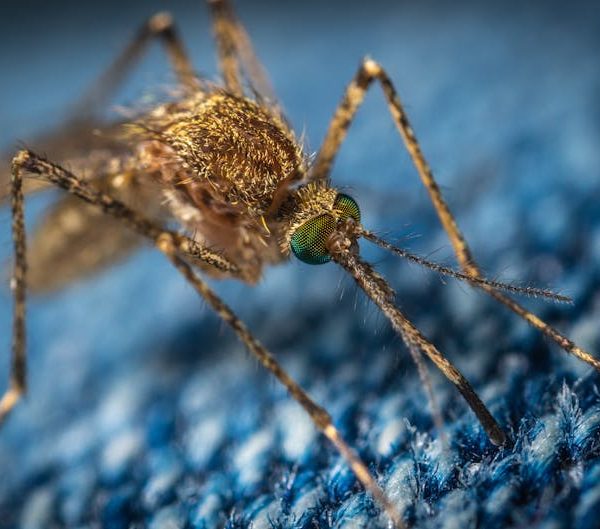
Flies are not just an annoyance; they’re also carriers of various diseases. Finding practical, natural ways to keep these pesky insects at bay is beneficial for your health and overall comfort. Today, we’ll delve into proven methods such as using essential oils, building DIY fly traps, planting fly-repelling plants, leveraging natural fly sprays, and implementing good sanitation practices.
Using Essential Oils
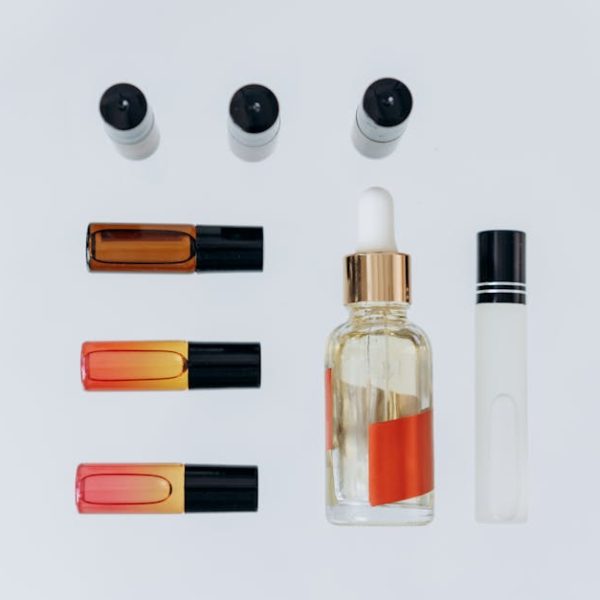
Essential oils have become a staple in many households, not only for their pleasant, calming aromas, but also for their unexpected potential in pest prevention. Flies dislike certain essential oils, making them a natural and non-toxic method of control.
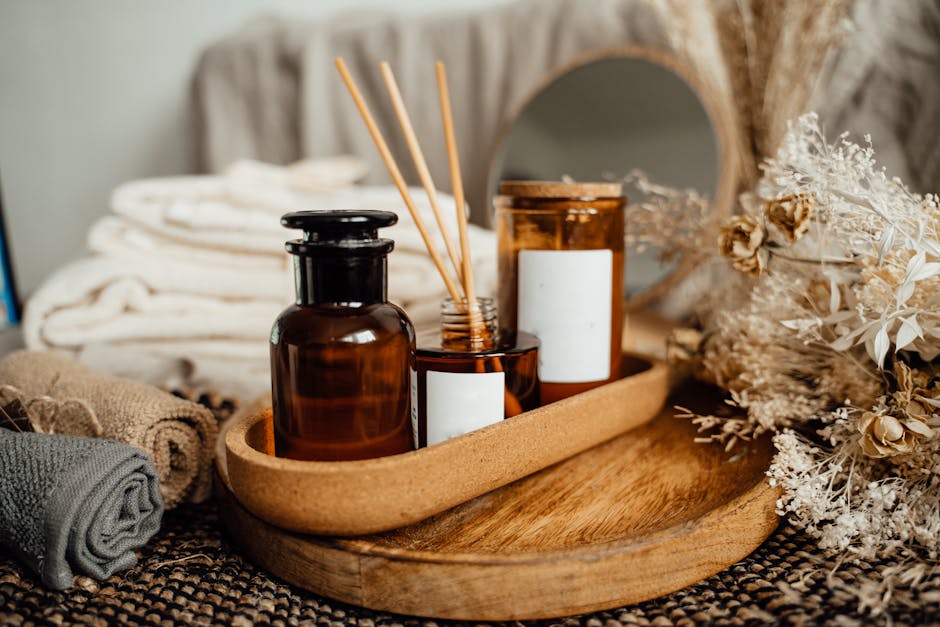
Some of the most effective essential oils for deterring flies include eucalyptus, lavender, peppermint, and lemongrass. To use these oils, simply mix a few drops with water in a spray bottle. This solution can be sprayed around fly-prone areas, acting as a safe, homemade fly repellant. For continuous fly deterrence, use these oils in diffusers, or soak strips of fabric in the solution and hang them in high-traffic areas.
Pro Tip: Remember, the quality of oils matters. Choose pure, undiluted essential oils for the best results. Not all essential oils are created equal–some brands are much more potent and reliable than others.
Building a DIY Fly Trap
Sometimes, fly prevention isn’t enough and you need to actively remove the flies already present in your space. In these cases, creating a DIY fly trap can offer an effective solution. Surprisingly, some of the most effective fly traps can be crafted from simple household items.
Materials like jars, plastic bottles, sugar, and fruit can work together to attract, trap and eventually kill flies. For instance, you could craft a simple fly trap by cutting a plastic bottle in half, filling the bottom with a sugar and water solution, then inverting the top half as a funnel leading to the sweetened trap.
Best Practices: Position your DIY fly trap in an area where you often see flies but away from areas humans and pets frequent. Regular cleaning is paramount too, as a full trap won’t be able to catch any more flies.
Planting Fly-Repelling Plants
A lesser-known method of fly control includes incorporating certain plants into your garden or indoor space. Some plants naturally repel flies due to their scent. This includes plants such as basil, lavender, rosemary, and marigolds.
Strategically positioning these plants in fly-prone areas both inside and outside your home can help deter these unwanted guests. This method not only serves a dual purpose of aesthetic beauty and practicality but also reduces your reliance on chemicals.
Pro’s and Con’s: The biggest advantage of using plants is that it’s a 100% natural, decorative and gentle method. On the flip side, you may need multiple plants for them to be effective, and some people may be allergic to certain plants or their pollens. Plus, this method isn’t as instantaneous as a fly swatter or spray.
Using Natural Fly Sprays
Another effective and eco-friendly way to repel flies is by using natural fly sprays. Unlike chemical-laden sprays you find on store shelves, natural alternatives are safe for use around children and pets.
Natural fly sprays can be easily prepared at home using items like vinegar, witch hazel, or citrus peels. Citrus peel spray is particularly effective due to the strong scent of citrus that flies dislike. To use, simply combine these ingredients in a spray bottle and shake well.
Pro Tip: Don’t forget to dilute your mixture with water! Concentrated vinegar or citrus peels could potentially damage surfaces or fabrics.
Best Practices: Spray these mixtures at entry points likes doors and windows. Don’t forget to shake the solution before each use to ensure that the ingredients are well combined.
Promoting Good Sanitation Practices
Last but not least, maintaining clean surroundings plays a significant role in keeping flies at bay. This step may sound simple, but it’s often overlooked. Flies are attracted to filth, including the smells of food left out on countertops, garbage, and stagnant water.
Keep your trash cans covered and take the garbage out regularly. Promptly clean up any food spillages, and make it a habit to close doors and windows whenever possible. Also, avoid having standing water near your home as it can serve as a breeding ground for flies.
Best Practices: Ensure weekly deep cleaning of your kitchen, taking extra care to clean beneath appliances and in any gaps or cracks. Routinely clean bathroom drains and always flush after use. These best practices not only will keep your home fly-free but also have the added benefit of maintaining a clean, pleasant living environment.
Conclusion
Dealing with flies doesn’t have to involve toxic chemicals or expensive extermination services. By incorporating these simple and natural methods into your daily routine, you can effectively keep flies away while maintaining a healthier, happier living environment. Remember, prevention is the best approach. By repelling flies naturally, you’re creating a win-win situation – one where you and your family reside in comfort, and any visiting flies swiftly decide to go elsewhere!
Key Takeaway:
- Essential oils like eucalyptus, lavender, peppermint, and lemongrass naturally deter flies. They can be mixed with water and sprayed around fly-prone areas for maximum effectiveness.
- DIY fly traps crafted from household items like jars, plastic bottles, sugar, and fruit can be an effective method of eliminating flies.
- Certain plants like basil, lavender, rosemary, and marigolds naturally repel flies. These can be placed strategically in indoor and outdoor areas to discourage flies.
- Homemade natural fly sprays made with vinegar, witch hazel, or citrus peels are a safe alternative to commercial chemical sprays.
- Good sanitation practices, such as regular trash disposal and cleaning up food spillages, greatly aid in preventing fly infestations.
No one likes having flies buzzing around their home. The good news is, there are natural, affordable, and effective strategies that you can adopt to keep them away. Apply these sustainable methods to enjoy a cleaner, healthier, and fly-free space.
FAQs
Q: Can I use a combination of these methods for better results?
A: Absolutely! Incorporating multiple methods can provide more comprehensive fly deterrence and keep your house even more secure from these pests.
Q: Are there specific types of flies that these methods work better on?
A: These tactics should work generally on common household flies. However, some methods might have varying degrees of effectiveness depending on the fly species.
Q: How often should I reapply essential oils or natural sprays?
A: This can depend on factors such as the size of your space and the intensity of the fly problem. A general rule is to reapply every few hours for continuous protection.
Q: Can these methods also deter other types of pests?
A: Yes, many of these methods can also help keep away other pests. For example, peppermint oil is known to deter spiders and ants.
Q: Are there any risks or damages associated with using these natural methods?
A: Natural methods are typically safer than chemical ones. However, always use products like essential oils and natural sprays responsibly to avoid potential harm to your household items or plants.
Feel free to share this article with anyone troubled by flies and craving a natural solution. You can find more useful tips and advice on our website.