Small, irksome bugs often invade homes, swarming garbage cans, drains, or overripe fruits. Despite their similarly diminutive sizes, many of these pests fall into two distinct categories: fruit flies and gnats. Understanding the key differences between these insects is crucial towards implementing effective pest control strategies, since diverse species require tailored treatments. This article aims to elucidate on fruit flies and gnats, detailing both their similarities and distinctions, before outlining reliable eradication methods.
Distinguishing Features: Fruit Flies vs. Gnats
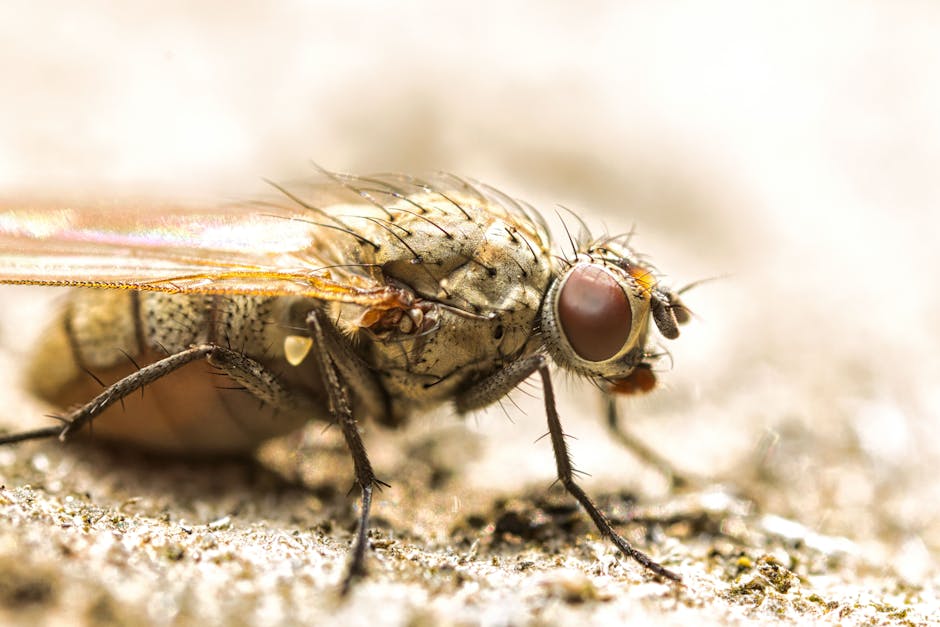
Fruit flies, as their name suggests, are commonly found swarming around ripe, fermenting, or decaying fruit. Their bodies are small, generally reaching only an eighth of an inch in length. They’re typically yellowish-brown in color, with eyes that display a distinct red hue. Female fruit flies are capable of laying about 500 eggs, doing so on surfaces that provide food for their offspring.
Contrastingly, gnats, or ‘fungus gnats’ as they’re commonly known, appear darker. Their bodies are slender, often black in color with gray or see-through wings. Smaller than fruit flies at around a sixteenth of an inch, fungus gnats are attracted to decaying organic material, potted plants, or moist soil, where their larvae feed on fungi. Both fruit flies and gnats are weak fliers, but gnats generally flit about in a random, zig-zag pattern.
Behavioral Differences: Fruit Flies & Gnats
The lifestyles of fruit flies and gnats display significant variances, predominantly in their feeding and reproductive behaviors. Fruit flies, typically, originate from outside, attracted to decaying fruits or vegetables. Their coupling takes a mere few days from birth, and within a week, adult fruit flies lay eggs on nutritive surfaces. They can reproduce quickly, often leading to an uncontrolled population if left unchecked.
On the other hand, gnats have a more prolonged life cycle, with larvae thriving in moist and rich organic matter. Unlike fruit flies, gnats don’t breed on decaying fruits or food waste. Instead, they prefer overly watered houseplants where fungus and mold grow, producing the best conditions for their larvae to survive. Though not as rapid breeders as fruit flies, gnat infestations are challenging to control owing to their wide range of potential breeding sites.
Attraction and Breeding Sites: Fruit Flies vs. Gnats
The breeding environments and spots of gnats and fruit flies differ significantly, which contribute to their infestation patterns. Overripe fruits, discarded food, sticky or sweet substances, and fermented beverages, mainly attract fruit flies, turning kitchens into a breeding ground if such materials are left unattended. Conversely, gnats are drawn towards damp environments; overwatered houseplants, damp crawlspaces or basements with moldy walls become perfect sites for laying eggs. Consequently, keeping areas free of such breeding grounds becomes an essential step in managing these pests.
Possible Threats and Discomfort Caused by Fruit Fly and Gnat Infestations
Both fruit flies and gnats are not just mere nuisances. They pose significant threats and cause discomfort within homes. While neither insect carries diseases that are harmful to humans or pets, their presence can ruin food supplies and plant health, with fruit flies being particularly damaging to fruit and vegetable stores.
Gnats, however, pose a significant threat to houseplants. Plant species like African violets, geraniums, spider plants, and orchids, just to mention a few, are particularly susceptible to gnat infestations. Their larvae feed on the roots and foliage, affecting the overall plant health.
Maintaining the cleanliness of the house and storing food effectively, primarily fruits and vegetables, can deter fruit fly infestations. Likewise, careful watering and regular checks for mold in plant soil can prevent gnats from calling your houseplants home.
Effective Ways to Eliminate Fruit Flies and Gnats
As challenging as both pests can be, effective remedies do exist for their extermination, considering their specific habits and habitats. For instance, a homemade trap using apple cider vinegar proves effective against fruit flies due to their attraction to the smell of fermentation. Simply fill a jar with the vinegar, cover it with plastic wrap, and poke small holes to allow the insects in.
In contrast, gnats can be effectively managed with the use of yellow sticky traps, easily made by smearing Vaseline on bright yellow paper or cardboard. Gnats are attracted to the color yellow, and once they land, they get stuck and perish.
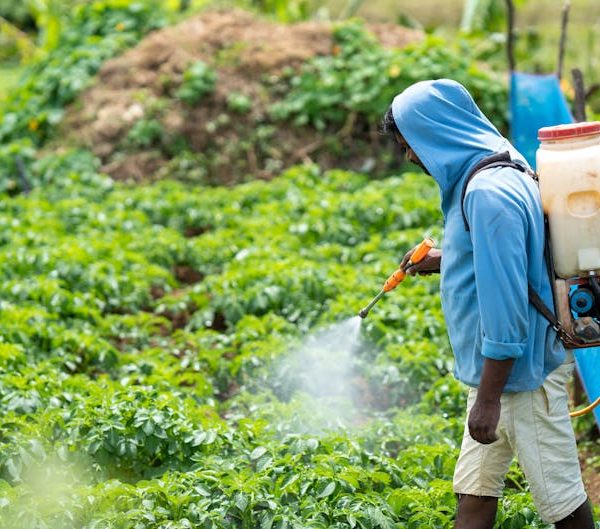
Commercial bug sprays can be effective for both pests, but be cautious, as these products can also harm beneficial insects and cause an imbalance in your home or garden ecosystem. Consider using sprays specifically labeled for fruit flies or gnats for optimal results.
Lastly, preventing infestations is a task best accomplished by vigilance and regular maintenance. Keeping your home clean and dry, promptly disposing of rotten food, and regularly checking houseplants for signs of infestation will go a long way towards ensuring your living space remains a pest-free zone.
These measures, however effective, can be tedious and time-consuming. Professional pest control services can provide targeted and thorough treatment if the infestation goes beyond control. However, remember that understanding your adversary, whether it be fruit flies or gnats, tremendously aids in countering their invasion effectively. In a war against these minuscule invaders, knowledge truly is power.
Key Takeaway:
- Fruit flies and gnats have distinct characteristics, habits, and preferred breeding grounds which is vital information when considering tailored extermination methods.
- Fruit flies are more likely to infest kitchens, drawn to overripe fruits and discarded food, while gnats thrive in moist environments, such as overwatered plants or damp crawlspaces.
- Both insects pose threats to household cleanliness and food and plant health, prompting the need for efficient pest control.
- Effective elimination methods include homemade fruit fly traps using apple cider vinegar and yellow sticky traps for gnats.
- Prevention is the best approach, requiring regular cleanliness and checks on potential breeding grounds in the home.
Addressing a fruit fly or gnat infestation may seem daunting, but armed with the right information and techniques, it becomes a manageable task. Prioritize prevention and timely action, and remember, knowledge is your best tool when dealing with these pests.
FAQs
Q: How can I tell apart a fruit fly from a gnat?
A: Key physical differences include size, color, and flight patterns. Fruit flies are usually yellow-brown with distinctive red eyes, while gnats are often black and fly in a zig-zag manner.
Q: Can fruit flies and gnats spread disease?
A: Both insects are not known to spread diseases to humans, but they can contaminate food with bacteria and pose threats to houseplants, particularly gnats, which can harm the roots and foliage.
Q: Why do gnats tend to infest houseplants?
A: The moist, rich soil, especially if overwatered or moldy, provides an ideal breeding ground for gnat larvae to feed on organic matter and fungi.
Q: What home remedies can I use to tackle fruit fly infestations?
A: A homemade trap using a jar filled with apple cider vinegar works effectively. Cover the jar with plastic wrap and poke small holes to let the flies in.
Q: How can I prevent a gnat or fruit fly infestation in my home?
A: Regular house cleaning, checking potential breeding sites, properly storing food, especially fruits and vegetables, and careful watering of plants can help prevent these pests.
Remember, sharing is caring so pass on this insightful information on how you can maintain a pest-free home. Explore more informative topics on our site.