At the heart of any eye-catching landscape, evergreen shrubs work diligently all year round. Far from seasonal superstars, these robust plant species offer an enduring display of color and texture that remains unwavering, even when everything else succumbs to winter’s chill. Their ability to flourish in relatively low-light conditions makes them a superb option for shady gardens, providing an essential backbone for the design.
Key features and benefits of evergreen shrubs include:
- Persistent foliage: Your garden remains vibrant and filled with visual interest throughout the seasons.
- Low maintenance: Most varieties are hardy and require fewer care needs once established.
- Structural variety: Offering a diverse mix of heights, widths, and growth forms, evergreen shrubs can fulfil various roles from ground covers to privacy screens.
- Wildlife-friendly: Many species produce flowers, fruits, or cones which can provide a food source for birds and insects.
Choosing the right evergreen shrub for your shady garden requires some consideration. Analyze the specific growth habits, shade tolerance, soil preference, and maintenance requirements of potential selections. A little research goes a long way in ensuring your evergreen shrub can flourish and create a significant impact on your garden’s aesthetic appeal.
Diving into the World of Shady Gardens
All shade is not created equal. Partial shade refers to areas that receive filtered light during the day, or around 3-6 hours of sun daily. In contrast, full-shade areas get less than 3 hours of direct sunlight, but may still have access to bright, indirect light.
Remember:
- Even shade-loving shrubs need some light.
- Poorly drained, persistently damp soils in shaded areas can lead to root diseases.
- Dark areas can still be visually stunning with the right plant selection.
Compared to sunny gardens, shady gardens maintain a cooler temperature and soil retains moisture longer. These unique circumstances yield a serene and calming garden ambiance but can present a challenge. Improving growing conditions can be as simple as pruning overhanging branches to let more light in, or amending soil to improve its fertility and drainage.
Top 7 Evergreen Shrubs for Full-Shade Gardens
Bestowing life to the darker corners of a garden, these seven evergreen shrubs thrive under full-shade conditions, each bringing its distinct charisma:
- Japanese Pieris (Pieris japonica): Known for its spring display of bell-shaped blossoms, this shrub boasts all-season interest.
- Yew (Taxus baccata): With dark green needle-like leaves and red berries, Yew is an attractive full-shade shrub option.
- Sweet Box (Sarcococca confusa): This shrub earns its name from the sweet fragrance its small white flowers release in winter.
To make the most of these fantastic options, it’s significant to note:
- Each shrub has its optimal growth size, meaning balanced growth without excessive pruning.
- Leaf color can range from yellow-green to bronze, often becoming more vibrant in cooler temperatures.
- The flowering period, often concentrated in spring, offers another layer of visual interest and often fragrance.
Remember, while these evergreens may be tolerant of full shade, they’ll still benefit from good soil and adequate moisture.
Top 7 Evergreen Shrubs for Partial-Shade Gardens
Not all shady gardens are cast completely in shadow, and some evergreen shrubs are particularly well-suited for these spaces with somewhat filtered light. Here are seven standout options:
- Holly (Ilex Aquifolium): Esteemed for its glossy leaves and vibrant berries, Holly is a top choice for partial-shade gardens.
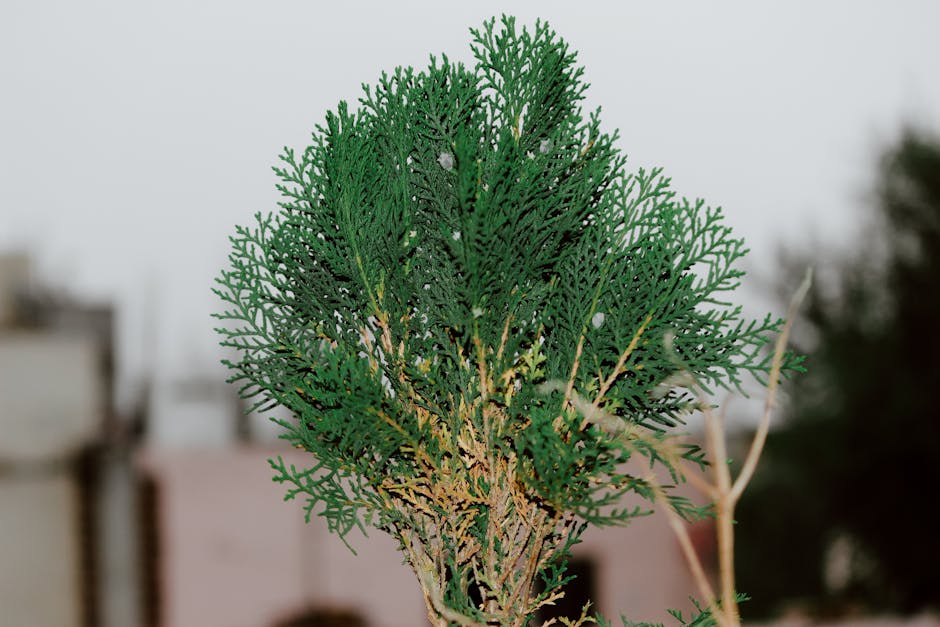
- Arborvitae (Thuja occidentalis): An upright, cone-shaped shrub with fan-like branches, this plant stands tall and adds a striking touch to any garden area.
- Rhododendron (Rhododendron sp.): With vibrant blooms in spring and glossy leaves all year round, Rhododendrons bring beauty and vitality to partial-shade gardens.
Understanding the crucial details of each shrub can enhance your garden planning process:
- Evaluate each shrub’s common size to ensure it fits perfectly into your garden without overwhelming other plants.
- Take note of the leaf color and flowering period, as these can add a splash of color and interest to your garden.
- Each shrub has unique characteristics that make it a standout, whether it’s the fragrance of its blooms or the texture of its foliage.
Like their full-shade counterparts, these evergreens favor healthy, well-drained soils and adequate water. Even partial-shade lovers need a bit of care to ensure they thrive.
Plant Care Tips for Thriving Evergreen Shrubs in Shady Gardens
The secret to a thriving garden, even one bathed in shade, often lies in proper plant care. Here are invaluable tips for giving your evergreen shrubs the best start:
- Planting correctly: Plant your shrubs in a hole twice as wide but just as deep as the root ball.
- Soil and Watering: Well-drained soil and adequate watering are keys to healthy growth. Avoid locations where water can puddle.
- Pruning: Light pruning is often enough for evergreen shrubs, removing only dead or diseased branches and maintaining the natural shape.
- Pest and Disease Management: Regular observation is your best defense against pests and disease. Noticed a problem early, and take action before it escalates.
| Action | Checklist |
|---|---|
| — | — |
| Planting | – Choose the right location and prepare the planting hole. – Place the shrub, backfill with soil, and firm gently. – Water generously. |
|Basic care| – Monitor watering, especially in dry spells.
– Apply mulch to conserve moisture and deter weeds.
– Fertilize if necessary, but generally, evergreen shrubs are not heavy feeders.|
Remember, the key lies in understanding your garden’s conditions and adapting accordingly. With a little thought and effort, even the darkest corners of your garden can become havens for beautiful, thriving evergreens, capable of bringing joy throughout the year.
Key Takeaway:
- Evergreen shrubs provide color, texture and life to your garden throughout the year and are perfect for shady areas.
- Full-shade and partial-shade gardens have unique conditions that should be taken into consideration when choosing evergreen shrubs.
- Proper care such as proper planting, watering, pruning and disease management are crucial to maintain thriving evergreen shrubs in shady areas.
- Considering the growth habits, shade tolerance, soil preference and maintenance requirements of each shrub ensures successful gardening.
Your garden can shine throughout the year with evergreen shrubs, regardless of the shade conditions. Embrace the serenity and unique ambience brought by shady gardens and enhance them with the perfect shrubs that captivate with their colors and textures. Your careful selection and proper care will yield an evergreen oasis for you to enjoy across the seasons.
FAQs
Q: How often should I water my evergreen shrubs in shady gardens?
A: While watering frequency can depend on the specific plant and local climate, as a general rule, it’s best to keep the soil consistently moist, not soggy. It’s important to allow the top inch or so of soil to dry between waterings.
Q: Can evergreen shrubs in shady gardens attract wildlife?
A: Absolutely, many evergreen shrubs bear flowers, fruits or cones that can serve as food sources for birds and insects, enhancing the biodiversity in your garden.
Q: Do all evergreen shrubs have the same leaf color?
A: Not at all! Evergreen shrubs can have a variety of leaf colors, from yellow-green to bronze, often becoming more vibrant in cooler temperatures.
Q: Do evergreen shrubs require a special type of soil?
A: Evergreen shrubs generally prefer well-drained soil but their preference can vary depending on the type of shrub. It’s always worth researching your specific shrub’s soil preference.
Q: Can I grow evergreen shrubs in pots?
A: Indeed, many evergreen shrubs can thrive in pots, making them a great choice for patio or balcony gardens. It’s vital, however, to ensure the pot provides adequate drainage and is large enough for the shrub’s root system.
Please feel free to share this article and explore other posts on our website for more gardening advice and insights.