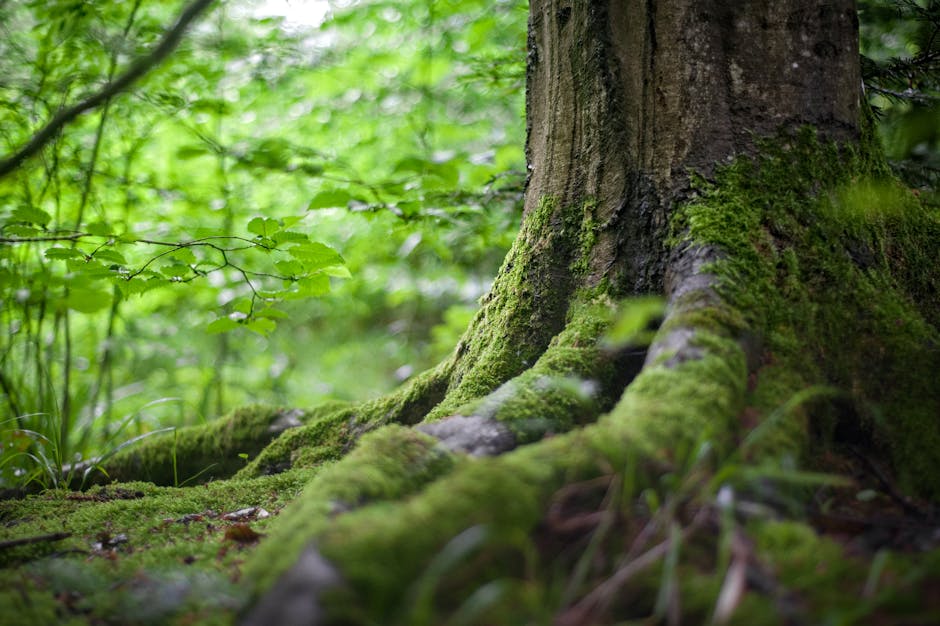
The sight of vibrant, lush green moss might strike some as a unique addition to their yard, but for others, it’s an unwelcome guest. If you’re among the latter group, you’re likely seeking effective strategies to eliminate moss from your yard. Solving this issue requires an understanding of moss, its growth habits, and what steps you can take to create an inhospitable environment for this intrusive plant.
Understanding Why Moss Grow
Moss is a simple plant that thrives in conditions unfavorable to most other plants, making it a common sight in damp, shaded areas of yards. One reason moss growth often occurs is because of environmental factors that other garden plants struggle to handle. Working against these conditions, you can start the journey of reclaiming your yard.
Key aspects contributing to moss growth include:
- Prevalence of darkness: Moss loves shady areas and will thrive where sunlight is limited.
- High humidity: Moss requires a lot of moisture to grow.
- Acidic soil: Moss favors soil with a low pH level.
- Poor drainage: Moss tends to flourish in areas where water collects.
In comparison, the plush, green grass that most homeowners desire requires the complete opposite – well-drained, less acidic soil, and plenty of sunlight. Knowing these contrasting needs will guide your moss elimination steps.
Improving Yard Drainage System
One effective way to combat moss growth is by improving your yard’s drainage system. Excess water on your lawn creates a moss-friendly environment, making proper drainage a critical aspect of moss prevention.
If you want to improve drainage, follow these steps:
- Slope your yard away from your home.
- Install drain pipes to reroute water from heavily saturated areas.
- Use soil amendments to improve the absorption and movement of water.
- Plant moisture-loving plants to help absorb excess water.
Pro Tip:
Initiate a professional inspection if you’re experiencing severe drainage issues. A professional can identify the root cause of the problem and suggest the most effective solutions.
Alterations to Yard’s PH Level
The pH level of your soil plays a significant role in what can grow there. Moss enjoys acidic environments, whereas grass prefers neutral to slightly acidic soils. To discourage moss growth and promote lush grass, consider altering your soil’s pH level to make it less hospitable to moss.
Here are some ways you can safely and effectively increase your soil’s pH level:
- Add garden lime to your soil, following package instructions for application rates.
- Use fertilizers that contain ingredients known to neutralize acidic soil.
- Incorporating organic matter, such as composted leaves or wood ash.
Pro Tip:
Make sure to test your soil’s pH annually or biannually to ensure it remains at the optimal level for grass growth.
Utilizing Anti-Moss Products
In addition to physical and environmental alterations, there are numerous anti-moss products available on the market that can help you in your fight against moss. Choosing the right ones and knowing how to use them effectively is key.
Some Best Practices when using moss killers include:
- Follow package instructions to the letter.
- Apply moss killers on a clear, dry day to maximize their effectiveness.
- Keep children and pets away from treated areas until the product has completely dried.
There are two primary types of moss killers: natural and chemical. Both have their pros and cons, and the best choice for you depends on your situation and comfort level.
| Type | Pros | Cons |
|---|---|---|
| Natural | Safer for environment and pets. | May require repeated applications. |
| Chemical | Often more effective and faster acting. | Potential harm to environment and non-target plants. |
Sunlight Expose Maximization
As mentioned earlier, moss enjoys dark, shady areas. By increasing the amount of sunlight that reaches your yard, you can make your lawn less inviting to moss and more favorable for grass growth.
Here is a checklist of changes you can make to increase sunlight exposure:
- Remove or trim overhanging branches that block sunlight.
- Thin out dense vegetation to allow more light to penetrate.
- Reposition or rethink structures or objects that cast a large shadow over your yard.
Pro Tip:
If you can’t achieve full sun exposure due to the layout or location of your yard, consider opting for shade-tolerant grass varieties that can flourish under less sunlight.
Maintaining Regular Yard Care
Regular and appropriate lawn care is essential not only for moss prevention but also for an overall healthy and thriving yard. Practices such as proper watering and mowing techniques, as well as periodic aeration, can greatly enhance your lawn’s vigor and resilience, making it less susceptible to moss invasion.
Here are some yard maintenance best practices:
- Apply water deeply but infrequently to encourage deep grass roots and prevent standing water.
- Mow your grass at the appropriate height. Taller grass can compete better with moss and shades the soil, reducing water evaporation.
- Periodically aerate your lawn to improve nutrient, water, and air movement in the soil.
Pro Tip:
Remember, a healthy lawn is your best defense against moss. Meticulous care of your yard can yield benefits beyond moss prevention, including fewer weeds, more robust growth, and general overall aesthetic appeal.
Through understanding what promotes moss growth and applying these strategies, the battle against moss in your yard can become manageable. Not only can you eliminate unwelcome moss, but you can also cultivate a lawn that’ll be the envy of your neighbors. Explore these six solutions and discover what works best for eliminating moss and reclaiming your yard.
Key Takeaway:
- One of the key factors contributing to moss growth includes darkness, high humidity, acidic soil, and poor drainage.
- Improving your yard’s drainage system is effective in preventing moss from growing.
- Adjusting the pH level of the soil to make it less acidic can discourage moss growth.
- A variety of anti-moss products are available on the market.
- Increasing the amount of sunlight that reaches your yard will help prevent moss growth.
- Regular and appropriate lawn care is essential not only for moss prevention but also for a healthier and thriving yard.
Taking proper care of your yard doesn’t just mean mowing the grass. By understanding the unique conditions moss needs to grow, you can take targeted action to reclaim your yard. It might seem like a daunting task, but by executing the right strategies, you can gradually eliminate moss from your yard and keep it away.
FAQs
Q: Is it crucial to have a professional inspection to identify drainage issues in the yard?
A: If you’re experiencing severe drainage issues, it is good to initiate a professional inspection. Professionals can identify the underlying causes of the problem and suggest the most effective solutions.
Q: Does frequent watering of the yard contribute to moss growth?
A: Yes, watering your lawn frequently can create a moist environment suitable for moss. It’s better to apply water deeply but infrequently to prevent moss growth.
Q: What are the pros and cons of natural and chemical anti-moss products?
A: Natural anti-moss products are safer for the environment and pets, but they may require repeated applications. On the other hand, chemical products are often more effective and faster-acting, but they may harm the environment and non-target plants.
Q: Can altering the yard’s pH level help in moss elimination?
A: Yes, by changing your soil’s pH level to make it less acidic, you can discourage moss growth and promote grass growth.
Q: Does regular yard maintenance help in moss prevention?
A: Yes, regular and appropriate yard maintenance is essential for moss prevention. Techniques such as proper watering and mowing, as well as periodic aeration can greatly enhance your lawn’s resilience to moss.
Don’t forget to share this article with others who might also be struggling with moss. Explore more posts on our website for additional gardening tips and insights.