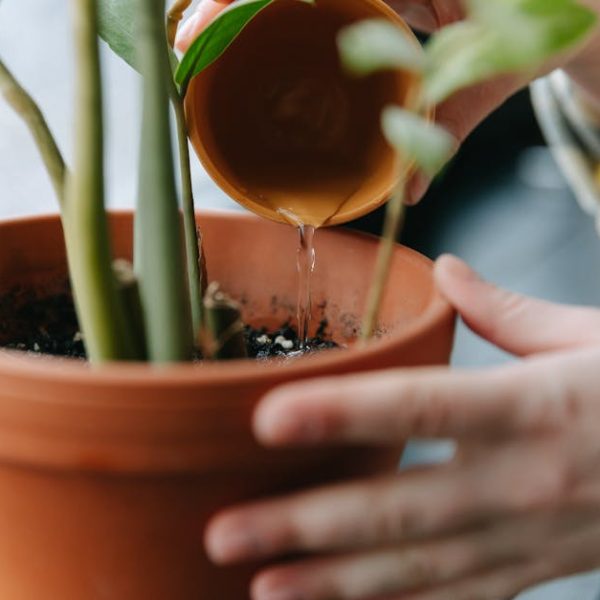

Sun-worshipping ferns may seem contradictory to the verdant, shade-loving image they typically conjure. However, certain fern species adapt remarkably well to sunshine, contradicting the usual perception of ferns as solely shade dwellers. These sun-loving ferns not only tolerate sunlight and heat but thrive in it. This article delves into seven such fern varieties that flourish in the sun, each with unique features, adaptations, and care requirements. By providing tips on identification, we hope to help you spot these sun-loving varieties in a garden or nursery setting.
Kimberly Queen Fern (Nephrolepis obliterata)
The Kimberly Queen Fern, native to Australia, is a hardy species known for its sun and heat tolerance. Unlike most ferns, it prefers a sunny or partly shaded spot and is recognisable by its upright fronds creating a shapely, graceful form. Keeping this bright-metallic-green fern in a sunny area, however, calls for adequate moisture retention, as it needs consistent watering to prevent wilting.
Pros of this fern include its adaptability and hardiness, which make it an ideal choice for sunny locations. Its air-purifying qualities and aesthetic appeal add even more value. The main challenge lies in its need for regular watering, which might require a bit of effort during hotter months.
Best practices for Kimberley Queen Fern start from ensuring well-drained soil with an organically rich mix. Water frequently but avoid waterlogging the roots. Maintaining humidity around the fern through misting can also prevent fronds from drying out.
Autumn Fern (Dryopteris erythrosora)
The Autumn Fern, originally from East Asia, is particularly noted for its adaptability to sunlight and its beautiful color transitions. While the fern can tolerate some shade, it tends to display brighter colors in the sun. Its fronds start as an eye-catching coppery red that transitions to green as they mature.
The Autumn Fern and Kimberly Queen Fern compare differently in terms of appearance, with the former holding a unique color palette. Both ferns exhibit sun tolerance, although Autumn Fern can withstand slightly colder conditions.
Tips for keeping the Autumn Fern includes positioning it in morning sun and providing ample water, especially during hot periods. Regular feeding during the growing season can ensure the vibrancy of its unique color palette.
Sword Fern (Polystichum munitum)
Sword Fern, a native of North America, is named after the sword-like shape of its mature fronds. Known for its adaptability, the fern can tolerate both sunlight and heat, especially when there is enough moisture present.
The checklist for Sword Fern care includes providing well-drained, rich soil, and regular watering without allowing the soil to become soggy. While it tolerates sunlight, the fern appreciates periodic shade, particularly in the afternoon when the sun is most intense.
Top tips for maximizing the fern’s growth in sunny conditions include maintaining an organic-rich soil and shielding the fern from intense mid-day sun which could cause leaf scorch. Regular watering and annual mulching also contribute to a healthy Sword Fern in sunny conditions.
With that, we’ve introduced you to the potential of sun-loving ferns, starting with three enticing options – Kimberly Queen Fern, Autumn Fern, and Sword Fern, each offering variance in appearance, sun tolerance, and care needs. In the following sections, we dive deeper into more equally exciting and sun-compatible ferns. Happy gardening!
Cinnamon Fern (Osmunda cinnamomea)
The beauty of the Cinnamon Fern lies not only in its bold green fronds but also in its distinctive cinnamon-colored fertile fronds which appear in spring, giving the fern its common name. Native to the Americas, this fern loves sunlight but can also handle slightly shaded conditions if necessary.
In terms of their tolerance to the sun and heat, Cinnamon Ferns tend to handle hot weather better than some varieties. They, however, require a consistently moist environment and will appreciate the afternoon shade in intensely sunny and dry locations.
Best practices for managing Cinnamon Ferns in hot and sunny spots include regular watering to sustain humidity, providing rich soil that will retain moisture well, and mulching to keep the roots cool.
The pros of growing this fern include its attractive appearance, adaptability, and non-invasive nature. The downside is that in intensely sun-drenched settings, without adequate care, the plant can lose some of its vibrancy and the leaves can become patchy.
Southern Wood Fern (Dryopteris ludoviciana)
Growing abundantly in the Southeast United States, Southern Wood Ferns love their fair share of sunshine. This medium-sized fern is known for its erect growth pattern, evergreen nature, and easy care, making it a perfect addition for sunny gardens.
Comparing it to the previously mentioned Cinnamon Fern, the Southern Wood Fern can withstand slightly drier conditions once established, although both species appreciate generous hydration and sunlight.
To nurture this sun-loving fern, ensure that it has drained soil and receives sufficient watering, especially when newly planted or during periods of drought. Once established, Southern Wood Fern can survive periods of dryness but does best when soil moisture is consistent.
Holly Fern (Cyrtomium falcatum)
As implied by its name, the Holly Fern resembles the holly plant due to its glossy, sharp-tipped fronds which stay green year-round. This fern is overall sun-tolerant and can even handle the heat relatively well if kept moist.
If you’re keen on growing the Holly Fern in a sunny and hot environment, remember to keep the soil rich, well-drained, and consistently moist. It does exceptionally well in slightly acidic soils and can also handle windy locations, unlike many ferns.
The pros of nurturing a Holly Fern include its great foliage, low maintenance requirements, and evergreen character. However, this fern might require more consistent moisture compared to the Southern Wood Fern and can suffer in overly dry conditions.
Japanese Painted Fern (Athyrium niponicum var. pictum)
Known for its vibrantly tinted fronds, the Japanese Painted Fern brings color to a sun-soaked garden. This fern can handle sunlight well, but it tends to favor morning sun and afternoon shade. Care needs for this fern include consistent moisture and protection from harsh afternoon sun.
Here are a few tips to best care for the Japanese Painted Fern: this fern does well in well-drained, compost-rich soil. Providing the fern with afternoon shade can help prevent leaf scorching and ensure the colors of its leaves don’t fade. Water frequently, especially throughout hot periods.
Comparing all our seven heat-loving, sun-worshipping ferns, you can decide based on appearance, sun tolerance, moisture preferences, growth habits, and care needs. Whether you choose Kimberly Queen, Autumn, Sword, Cinnamon, Southern Wood, Holly, or Japanese Painted Fern, they all offer unique aesthetics and the ability to brighten your sunny and hot gardening spaces. Happy gardening!
Key Takeaway:
- Certain types of ferns not only bear up under sunlight, but they thrive in it. This attribute contradicts the usual perception of ferns as being exclusively shade dwellers.
- The seven sun-loving ferns analyzed in the article are distinctive in terms of their heat endurance, adaptability to sunlight, unique aesthetics, and care requirements.
- Though these ferns can deal well with high heat and sunshine, regular watering and soil rich in organic matter are vital to their growth and health.
- While sun-loving, these ferns can benefit from protection from the harshest midday sun to prevent leaf scorching.
- All seven ferns offer unique aesthetics and the ability to brighten sunny, hot gardening environments.
Even if it’s hot and sunny, never settle for a garden with less variety. Alongside common shade-dwelling types, numerous ferns love and flourish in the sun. Each with unique aesthetics and adaptations, they’re ready to bring a new dynamic to your sunny gardening environment and defy common expectations.
FAQs
Q: Do ferns like sun or shade?
A: While most ferns are typically seen as shade-dwelling plants, there are many varieties, like the ones mentioned in the article, which not only tolerate but thrive in the sunlight.
Q: How often should these sun-loving ferns be watered in high heat conditions?
A: While it varies by species, regular watering – particularly during hot periods – is crucial for these sun-loving ferns. However, they should never be water-logged, and the soil needs to drain well.
Q: Can these sun-loving ferns survive without the sun?
A: Yes, certain sun-loving ferns can also manage well in partly shaded to shaded conditions; however, most of them will exhibit brighter colors and optimum growth when exposed to sunlight.
Q: Are there any special soil requirements for these sun-loving ferns?
A: These ferns generally prefer a rich, well-drained soil. The soil should retain moisture well to cater to the plant’s needs during hot conditions.
Q: How can leaf scorching be prevented in these ferns in intense sunlight?
A: Leaf scorching in intense sunlight can be prevented by providing some shade to the plant during the harshest afternoon hours and ensuring consistently moist soil.
To discover more insightful posts, explore our website and feel free to share this article with others who might find this information useful!