For any child, experiencing the miracle of life through gardening can be both fun and educational. It’s the perfect opportunity for kids to get their hands dirty and learn fundamental lessons about nature, patience, and the cycle of life. Gardening teaches children about the wonders of cultivating and growing plants while instilling key character attributes like responsibility, dedication, and patience. Ultimately, working with nature can create unforgettable memories and encourage healthier eating habits by growing their own fruits and vegetables.
Gardening: An Array of Benefits for Kids
Gardening isn’t just about sowing seeds; it’s a journey of learning and discovery that provides an array of benefits that contribute significantly to children’s development. Here are a few key benefits:
- Enhances appreciation for nature: Gardening exposes children to the world of plants and animals, fostering an early appreciation for the environment.
- Improves healthy eating habits: When children grow their own fruit and vegetables, they are more likely to develop healthier eating habits.
- Encourages physical activity: The process of gardening is physically engaging. It gets children off the couch and outside, digging, watering, and tending to their plants.
- Cultivates patience: Plants don’t grow overnight. Waiting for their plants to grow helps children learn the virtue of patience.
Making Gardening a Fun and Engaging Activity
Gardening is a fun hobby! By turning the gardening activity into a game-like experience, children will eagerly anticipate every session. Here’s a checklist to help you make gardening more engaging:
- Create a theme garden: Creating a magical fairy garden or a dinosaur-themed garden can instantly spark your child’s interest.
- Grow colorful plants: Children are naturally attracted to colors. Choose vibrant, colorful plants like marigolds or petunias.
- Choose plants with different shapes and sizes: Variety in your garden appeals to a child’s natural curiosity and boosts their interest levels.
Selecting the Perfect Plants for Young Gardeners
The first step in creating a kid-friendly garden is selecting the right plants. Plants that are resilient, grow quickly, and require minimal maintenance are ideal for beginners. Here are some factors to consider when selecting plants:
- Durability: Opt for plants that are hardy and can withstand unpredictable weather and inconsistent watering.
- Growth speed: Fast-growing plants provide quicker gratification to maintain the child’s interest.
- Plant size: Consider the final size of the plant. Smaller plants are easier to manage and more suitable for little gardeners.
- Maintenance: Choose plants that require minimal upkeep, as kids might find managing demanding plants overwhelming.
Now that we understand why gardening is beneficial for children and how to make it fun, let’s delve into some of the best plants that children can easily grow and care for.
7 Must-Try Vegetable Plants for Children
There’s something magical about watching your hand-planted seed grow into a plant that yields delicious veggies. Here are seven easy-to-grow vegetable plants perfect for children.
Cherry Tomatoes
Cherry tomatoes are wonder-plants for kids. They grow quickly, yield a lot of fruit, and are deliciously sweet. Plus, they make a scrumptious addition to salads!
Main steps to grow:
- Plant seeds indoors six weeks before the last frost.
- Transplant outdoors when the soil is warm.
- Keep soil moist and avoid wetting the foliage.
Carrots
Carrots are easy to grow and provide an exciting underground surprise for the little gardeners. Plus, freshly harvested carrots are sweet and make a crunchy snack.
Main steps to grow:
- Sow seeds directly into the garden’s soil.
- Thin seedlings to about three inches apart when they are finger-high.
- Harvest when tops are bright green and about half an inch wide.
Peas
Peas are a fun plant for children because they grow quickly, and the pea pods are neat to pop open. Kids will love shelling peas and nibbling on the sweet contents.
Main steps to grow:
- Plant seeds in early spring, as soon as the soil can be worked.
- Provide a trellis for vine varieties to climb.
- Harvest when pods feel full and rounded.
7 Attractive and Simple-to-Grow Flower Plants for Children
Cultivating flowers adds beauty to any garden. Here are seven flowers that children will enjoy growing due to their attractiveness and the joy of nurturing them from seeds.
Sunflowers
Pro Tip: Keep your Sunflower away from windy areas to prevent it from bending and breaking.
Children will be amazed by the towering height and vivid color of sunflowers. They’re simply a perfect addition for any kid’s garden.
Main steps to grow:
- Plant seeds outdoors after the danger of frost has passed.
- Place them in an area with full sunlight.
- Water regularly, but be careful not to over-saturate the soil.
Pansies
Pansies are delightful, robust, and come in a wide range of vibrant colors. They’re easy to grow and make a fantastic addition to a child’s garden.
Main steps to grow:
- Start pansy seeds indoors 6-8 weeks before the last spring frost.
- Transplant seedlings outdoors after the danger of a frost has passed.
- Water regularly to keep the soil moist.
Kids’ Garden: Maintenance Made Easy
Gardens need care. And with some guidance, kids can take part and even take charge of some garden maintenance tasks. Here’s an easy-to-follow checklist:
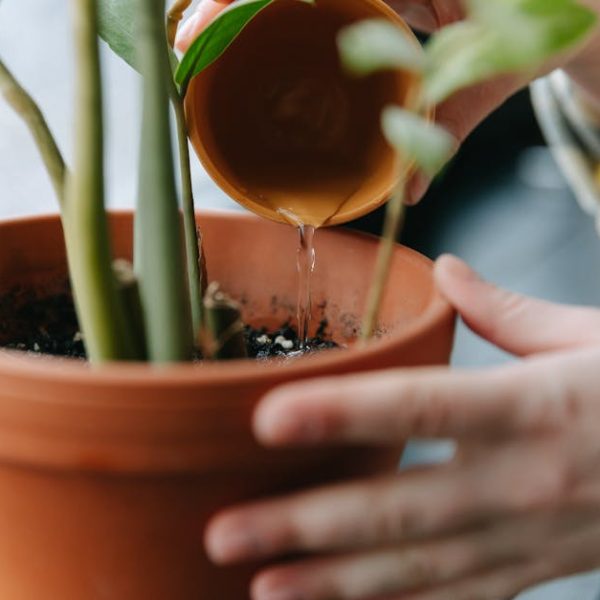
- Watering: Teach kids how to water deeply yet infrequently to encourage roots to grow deep into the soil.
- Weeding: Show kids how to distinguish between plants and weeds. And also explain how weeds can deprive plants of nutrients and water.
- Light Management: Help them understand that plants need plenty of sunlight to grow and produce food.
- Pest Control: Some bugs can be harmful to plants. Teach children how to spot garden pests and help them understand the importance of beneficial insects.
Harvesting and Using Plants: Make it Rewarding
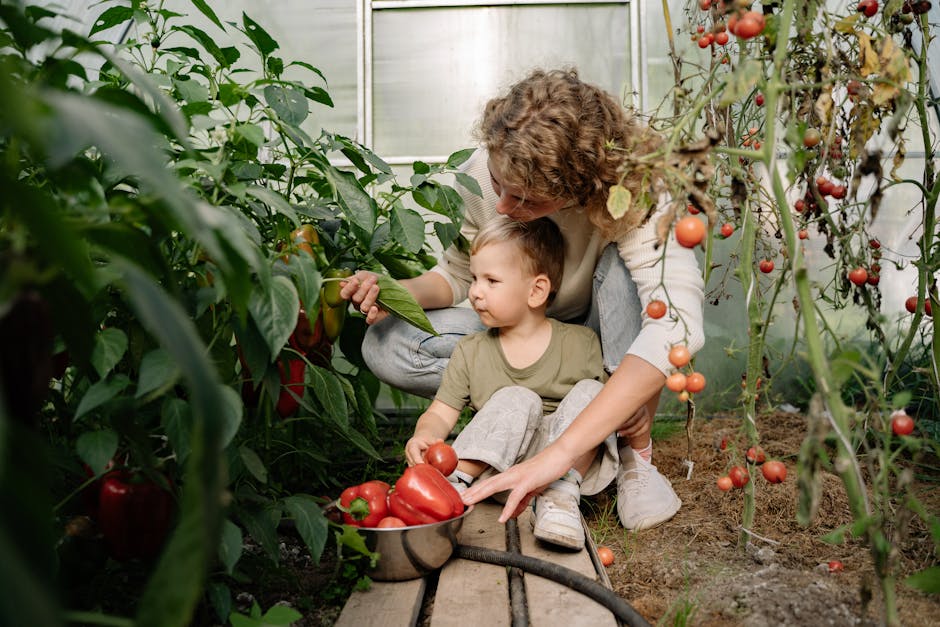
After the hard work of gardening, harvesting is the rewarding part. Once the fruits, vegetables, and flowers are ripe and ready, hand your little gardener a basket and let them enjoy the fruits of their labor.
Vegetables and fruits can be used in salads, cooked in meals, or eaten fresh. Flowers can be arranged in beautiful bouquets, used as garnish, or even as a fun addition to homemade crafts.
Remember, gardening with kids is more about the journey than the destination. A garden is a great place for children to explore, learn, and grow. As the garden grows, so will your child’s love for nature and the outdoors. So, get out there, have fun, and grow something beautiful!
Key Takeaway:
- Gardening offers a multitude of benefits to children. It helps them understand nature better, encourages healthy eating habits, and cultivates patience.
- Making the activity fun and engaging by creating themed gardens and growing colorful, different shaped plants can spike kids’ interest in gardening.
- Plants chosen for children must be easy to grow, durable against variations in weather, require minimal upkeep, and should grow quickly.
- Cherry tomatoes, carrots, peas, sunflowers, marigolds, and pansies are just a few recommended plants that kids can easily grow, care for, and learn from.
Gardening with kids can be a fun, educational, and bonding experience. It’s more about the process than the results, and the key is to keep it engaging and enjoyable. Don’t stress if things don’t go exactly as planned – every little obstacle is a learning opportunity. Keep it light, have fun, and nurture your child’s green thumb!
FAQs
Q: What is the best age for children to start gardening?
A: It’s never too early or too late to introduce children to gardening. Simple tasks can be given to toddlers, while older children can manage more responsibility. Just ensure the tasks are age-appropriate to keep them safe and engaged.
Q: What are some quick growing plants that I can get my child to grow?
A: Fast-growing plants like sunflowers, radishes, peas, and beans are great options. They sprout rather quickly, keeping children excited and engaged.
Q: My child has allergies. Can they still engage in gardening?
A: Yes, they can! Choose plants that are hypoallergenic, and always make sure they’re wearing appropriate clothing and washing their hands after gardening.
Q: How much time does it require to maintain a kids’ garden?
A: The amount of time will depend on the plants chosen and the size of the garden. However, a few minutes each day should be sufficient for a small, child-friendly garden.
Q: What if we don’t have space for a garden at home?
A: No worries! Many plants can be grown in containers. Creating a mini garden on your balcony or even indoors using pots is a great alternative.
Please feel free to share this article with others who might find it helpful and continue exploring our site for more gardening advice and tips for children.