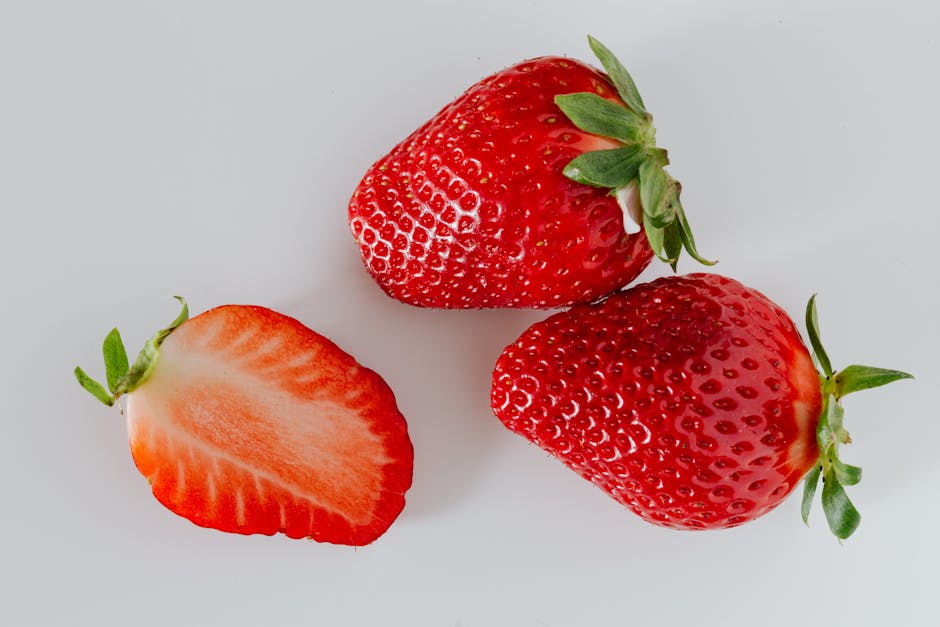
Epsom salt, a common household item, is unexpectedly beneficial for strawberry plants. Containing high levels of magnesium and sulfur, it encourages healthier and more vigorous growth, larger yields, and vibrant, sweet strawberries. If you favor homegrown strawberries that resonate with an intense color and amplified flavor, it’s time to consider Epsom Salt as a cost-effective, yet powerful addition to your gardening supplies.
The Benefits of Epsom Salt for Strawberry Plants
Strawberry plants are fruitosomal heavy feeders that typically thrive in soils rich in crucial nutrients. Epsom salt, a compound of magnesium and sulfur, is an inexpensive and efficient way to supply these elements to your soil, specifically benefitting your bountiful berry plants.
- Healthy plant growth: Magnesium boosts the photosynthesis process, improving chlorophyll creation and energy production, leading to invigorated plant growth.
- Increased yields: By strengthening plant cell walls, Epsom salt promotes a more abundant fruit production.
- Better taste and color: Sulfur enhances the strawberry’s natural pigmentation while also improving their flavor, making your homegrown strawberries that much more appetizing.
Pro Tip: Regular and balanced use of Epsom Salt can prevent potential magnesium deficiencies in your plants, leading to healthier, happier blossoms!
Preparing Your Own Epsom Salt Fertilizer at Home
Creating your own Epsom Salt fertilizer is straightforward and budget-friendly. Firstly, you’ll need to dissolve the Epsom salt in water, ensuring the correct water-to-salt ratio is applied for optimal results.
Checklist:
- Gather essential items: A bucket, Epsom Salt (available at most garden stores or pharmacies), water, and a stirrer.
- The quantity: Typically, a dosage of 1 tablespoon of Epsom Salt per gallon of water is sufficient.
- Dissolve: Ensure the Epsom Salt is fully dissolved before application to avoid potential root burn.
Weighing the merits against the potential pitfalls of DIY fertilizers, the advantages clearly tip the scale. Homemade fertilizers provide cost-effectiveness, control over ingredient quality and quantities, and the satisfaction of being an integral part of your plant’s lifecycle. However, time and effort investment, along with the need for informed decisions about proportions, are their minor considerations.
Correct Way to Apply Epsom Salt Fertilizer
Knowing how to properly apply your Epsom salt fertilizer is crucial to fully reaping its benefits. Ensuring that your mixture is in contact with the roots rather than the leaves will prevent burns and optimize absorption.
A common mistake is spreading the mixture directly onto the leaves, leading to potential damage – it should be root directed. Drenching the soil around the base allows the roots to absorb the nutrients, which are then efficiently transported throughout the plant.
For your reference, these are the best practices one should adhere to when applying fertilizer:
Ensure the fertilizer is fully dissolved, Avoid applying directly to the leaves, Aim to drench the soil at the plant base, Don’t over apply – less is more.
Understanding and adhering to these simple principles will undoubtedly boost the effectiveness of your fertilizer application while minimizing risks. With the right understanding and application of this potent household ingredient, your strawberry plants are set to thrive beautifully.
This is the first segment, stay tuned for the rest of this article where we delve deeper into the application’s frequency and timing and explore other vital components for a balanced fertilizer.
Frequency and Timing of Fertilizer Application
Applying an Epsom salt fertilizer correctly not only involves the proper method, but it should also be done at the right time and with the right frequency. While some plants can benefit from regular weekly applications, others might prefer a less frequent schedule.
For strawberry plants, here are some guidelines:
- Most strawberry plants respond well to fortnightly applications. Early morning or evening is preferable to avoid rapid evaporation.
- Ensure your plants are not dry and are well-watered prior to application. This aids absorption and reduces the risk of root burn.
- Adjust your frequency during blossom time. This is the period when your strawberry plants are in high demand for nutrients to support fruit setting, hence greater frequency would be optimal — once every week or even every few days.
Pro Tip: Monitor your plants’ growth closely! If they still appear lackluster despite regular fertilizing, they might require additional nutrients.
Beyond Epsom Salt: Other Components of a Balanced Fertilizer
While Epsom Salt is a powerful addition to your garden toolset, it is important to remember that it is not a complete fertilizer solution. Other vital nutrients are needed for your strawberry plants to fully flourish.
Key components of any balanced plant food include:
- Nitrogen (N): Promotes healthy leaf and stem growth.
- Phosphorus (P): Crucial for root development and flowering.
- Potassium (K): Helps plants to resist diseases and aids in protein synthesis.
By creating a balanced blend, you will provide your strawberry plants with an all-round nutrient boost that can enhance their overall health and vitality. Here’s a comparison, so you can weigh the differences.
| Epsom Salt Only | Balanced Mixture | |
|---|---|---|
| Promotes plant growth | ✅ | ✅ |
| Enhance fruit flavor | ✅ | |
| Encourage flowering | ✅ | |
| Support root health | ✅ | |
| Improved disease resistance | ✅ |
While Epsom Salt positively impacts your plants, a balanced fertilizer additionally supports root health, encourages flowering, and improves resistance against diseases. So give your strawberry plants a good start with a well-rounded and balanced diet of nutrients, and watch them flourish.
In conclusion, Epsom Salt is a worthy contender within your gardening artillery. Economical yet highly versatile, it enhances your gardening experience by boosting plant growth, harvest volumes, and fruit quality. Pair it with other key nutrients, and you have a complete nutrient solution for your berry prosperous garden. Happy Gardening!
Key Takeaway:
- Epsom Salt, rich in magnesium and sulfur, significantly enhances the growth and productivity of strawberry plants.
- Creating your own Epsom Salt fertilizer at home is cost-effective and allows control over ingredient quality and proportions.
- Proper application of the fertilizer at the root level, avoiding leaf contact, is crucial to reap maximum benefits.
- Correct timing and frequency of applications, specifically during the blossom time, can greatly impact the effectiveness of Epsom Salt in boosting plant health and productivity.
- While Epsom Salt is beneficial, other components such as Nitrogen, Phosphorus, and Potassium are also essential for a balanced fertilizer to support overall plant health.
The journey of building a lush garden is filled with trials, triumphs, and valuable lessons. Harnessing the power of Epsom Salt, you are bound to see delightful changes in your strawberry plants’ growth and fruit quality. Remember, a little extra nurturing with a balanced blend of nutrients can turn your gardening experience into a field of flourishing success.
FAQs
Q: How much Epsom Salt per gallon of water is needed to prepare a fertilizer?
A: Generally, a dosage of 1 tablespoon of Epsom Salt per gallon of water can be used for making Epsom Salt fertilizer.
Q: Can Epsom Salt cause any harm to strawberry plants?
A: Yes, if not dissolved properly and applied directly to leaves, Epsom Salt can cause potential damage. It is always advised to thoroughly dissolve the Epsom Salt and then apply it.
Q: Apart from Magnesium and Sulfur, what other nutrients do strawberry plants need?
A: Strawberry plants also need Nitrogen for healthy leaf and stem growth, Phosphorus for root development and flowering along with Potassium for disease resistance and protein synthesis.
Q: How often should I apply Epsom Salt fertilizer to my strawberry plants?
A: Most strawberry plants respond well to fortnightly applications. Detailed monitoring of your plants’ health should guide the optimal frequency.
Q: Can Epsom Salt only be used for strawberry plants?
A: No, Epsom Salt can be used for various plants. However, its impact may vary according to different plant needs and tolerance.
Spread the love for gardening by sharing this insightful article with fellow enthusiasts and don’t forget to explore more gardening tips and tricks on our website.