When you step out to admire your garden and witness an explosion of color year after year, you might wonder, how do these plants continue to thrive? The answer: They are perennials – a unique category of flowering plants that have been genetically designed to outlive their annual counterparts and bloom season after season.
But what makes a perennial flower, perennial? Key factors such as their deeply entrenched roots, potent growth cells located at the base of the plant (the crown), and their fascinating ability to conserve energy during off-season periods contribute to their enduring existence. Through their robust roots, perennial plants draw on the deeper nutrients, ensuring a stronger, more resilient growth cycle.
At a glance, here are a few differentiating characteristics between perennial, annual, and biennial plants:
- Perennials, as discussed earlier, bloom for more than two years. They enhance the structure and continuity of your garden with their repeat performances.
- Annuals complete their lifecycle within a single growing season, hence the name. They sprout, bloom, set seeds, and die, all within twelve months. They are brilliant for a one-off color splash.
- Biennials take two years to complete their life cycle. They focus on vegetative growth in the first year and bloom in the second.
Pro Tip: Ensure that your perennials have a nutritious ground to grow by adding organic compost to your soil. This will keep your perennials healthy and drive their yearly comeback.
Key Benefits of Growing Perennial Flowers
Perennial flowers bring more to your garden than just their timeless beauty. Perhaps most obvious is their long life span. These hardy plants return every year, eliminating the need for annual replanting. This continual return not only saves time and effort but can also drastically reduce the gardening expenses associated with buying new plants annually.
Beyond these practical benefits, perennial flowers serve a vital ecological role, contributing to biodiversity by providing a habitat and food source for wildlife. Their attractiveness to pollinators makes them an excellent choice for environmentally conscious gardeners looking to support local bio-networks.
Here are a few practical tips to reap the best from your perennials:
- Select varieties that are native or well-suited to your local climate and soil type.
- Prioritize a good mix of spring, summer, and autumn bloomers to ensure year-round color.
- Group plants with similar water, sun, and soil needs together to simplify maintenance.
Weighing the merits and demerits of perennials versus annuals, perennials emerge clear winners. The continuity that perennials offer, coupled with their ecological benefits, makes them a perennial charm in the eyes of gardening enthusiasts.
But we’ll let you decide for yourself. Let’s delve into 21 of the best perennial flowers for summer blooms!
21 Perennial Flowers That Thrive in the Heat of Summer
If the long lazy days of summer are calling you to indulge in your passion for gardening, then these 21 perennial flowers are sure to delight. Each with its unique charm and resilience, these flowers bloom not just once, but provide a spectacle throughout summer and often beyond.
Here are a few perennial stars to consider, each with its blossom time and unique characteristics:
- Aster (Summer to Fall) – Known for their brilliant star-shaped flowers in hues of purple, pink, and white.
- Yarrow (Summer) – Showcases clustered flowers in shades of red, orange, yellow, and pink.
- Daylilies (Summer) – Offers a wide variety of colors and is known for their hardiness in different climates.
- Coneflowers (Summer to Fall) – Stands out with their cone-shaped flower heads, typically purple or pink.
- Iris (Spring to Early Summer) – Recognized for their showy flower heads and wide range of colors.
[…]
Compared to other perennials, a few of these superstars shine for their endurance in summer heat:
| Flower | Heat tolerance | Bloom time |
|---|---|---|
| Daylilies | High | Summer |
| Yarrow | High | Summer |
| Coneflowers | Moderate | Summer to Fall |
Common Care Tips for Perennial Flowers
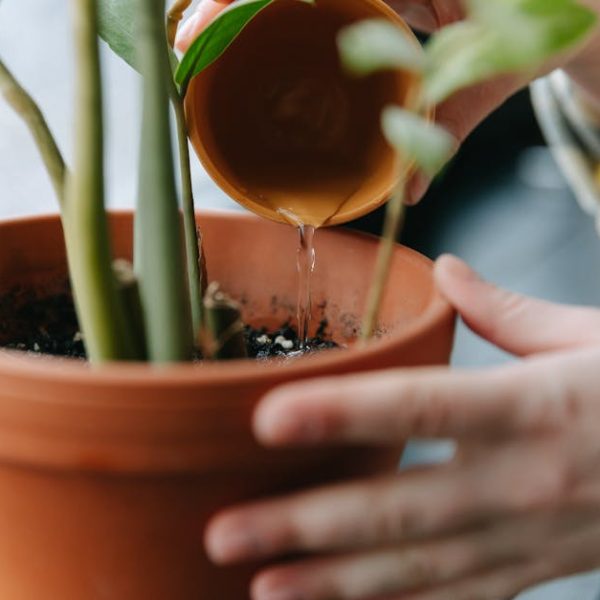
To enjoy the continuous spectacle of perennials, you need to pay attention to several key aspects, including light exposure, watering, feeding, and trimming. Most perennials prefer full sun, but there are also shade-loving varieties. Regular watering, particularly during dry spells, and balanced feeding with a slow-release fertilizer, extend the performance of these long-lasting blooms.
Make sure these tasks are on your care list for perennial flowers:
- Check soil moisture regularly and water as needed.
- Fertilize in early spring and in mid-summer using a slow-release, balanced fertilizer.
- Trim back in late fall or early spring.
Pro Tip: Remember, each perennial flower has unique care needs. Make sure to know each plant’s requirements. For example, some perennials may require dividing every few years for continued vigor and high bloom output.
Making Your Garden Continually Bloom with Perennials
To have a blooming garden even in the height of summer, consider your plant selection and garden layout. Using succession planting strategies and pairing early bloomers with those that peak in mid and late summer, you can ensure a dynamic display throughout the warm months.
Best Practices for planning your perennial garden include:
- Incorporate plants with different bloom times, from early spring to late fall.
- Combine different heights and colors for visual variety.
- Pair plants with similar care needs together for easier maintenance.
Pro Tip: To create an eye-catching display, plant perennials in groups of threes or fives. Odd numbers are more visually appealing than even groups in garden design.
Your summer garden need not be a flash-in-the-pan spectacle. With the use of perennials, you can create vistas of vibrant color and variety that only improve with each passing year. So go ahead, dive into the world of perennials, and create your perennial wonderland!
Key Takeaway:
- Perennial plants have unique traits which allow them to bloom year after year. This is due to factors such as their environment, genetic makeup, and care practices.
- Growing perennial flowers in gardens and landscapes has many advantages, such as recurring blooms, variety and beauty, their role in attracting wildlife, and ease of care.
- There is a diverse variety of 21 perennial flowers that bloom throughout the summer and beyond, each with unique features and care requirements.
- To efficiently care for these flowers, aspects such as light requirements, watering, fertilizing, and pruning need to be considered.
- Good planning and plant selection, including the implementation of succession planting and using plants with various bloom times, can create a vibrant and continuously blooming perennial garden.
Planting and caring for perennial flowers is a rewarding endeavor, bringing vibrant color and vitality to your garden every year. Choosing the right variety suited to your local climate, diligently caring for them, and implementing smart garden planning strategies can result in a stunning flower display throughout the summer and beyond. Rest assured, investing time and care in these vivid blooms will prove to be well worth it as they grace your garden with their presence every season.
FAQs
Q: How do I know which perennials are best suited for my garden?
A: You should research and choose varieties that have been proven to grow well in your local climate and soil type. Your extension service or local nursery can help guide you.
Q: Can I mix perennials with annuals in my garden?
A: Yes, you can certainly mix perennials with annuals. This can add a diversity of color and height variation to your garden.
Q: Are there perennials that bloom in the shade?
A: Yes, there are certain varieties of perennials that can bloom in partial to full shade. Some examples include hostas and ferns.
Q: How often should I fertilize my perennials?
A: Most perennials do well with a slow-release fertilizer applied in early spring and in mid-summer. Always follow the specific instructions on your chosen fertilizer.
Q: What do I do if my perennials stop blooming?
A: Sometimes perennials can stop blooming due to factors such as insufficient light, improper watering, or not enough nutrients in the soil. Identify any changes in conditions and try adjusting your care routine to see if blooms return.
We hope you found this guide to perennials and their summer blooms helpful! Whether you’re a seasoned gardener or just starting out, there’s always something new to learn in the world of botanicals. We encourage you to share this guide with others who might be interested in starting their perennial journey. For more informative posts about gardening and more, feel free to peruse our website.