In the quest for a thriving garden, organic fertilization significantly impacts crop health and yield. This is particularly true for asparagus—an enduringly popular plant known for its robust, toothsome stalks, and rich flavors. Asparagus requires specific nutrients for optimum growth, ranging from the macronutrients–Nitrogen, Phosphorus, and Potassium, to trace elements like Calcium, Sulfur, Iron, and Magnesium. Each of these nutrients play a pivotal role in different processes: Nitrogen enhances leaf growth, phosphorus aids in root development, while potassium supports overall plant health. Additional minerals such as calcium and sulfur help in the formation of proteins and enzymes, crucial to the asparagus’s overall growth and productivity.
A nutrient deficiency in any of these areas could manifest in stunted growth, yellowing leaves, and reduced yield. Therefore, to address these needs, gardeners often lean towards easy-to-use, commercially available chemical fertilizers. However, despite their immediate benefits, their overuse can lead to absurdly high nutrient levels, causing root burn, and harm to the surrounding environment. In contrast, organic fertilizers slowly release nutrients—their natural constitution reduces the risk of over-fertilization, ensuring more balanced and safe growth.
Organic fertilizers offer exceptional benefits for asparagus gardens. Beyond feeding the plants, they contribute to the overall soil health by improving composition and structure, boosting its water-retention ability and fostering a friendly environment for beneficial microorganisms. Moreover, as the nutrient absorption is more gradual, the risk of root burn diminishes significantly. The end result? More robust asparagus shoots, brimming with flavor.
In line with this, here are some tips when identifying quality organic fertilizer for asparagus:
- Check for a well-balanced nutrient profile. Nitrogen, Phosphorus, Potassium, Calcium, Sulfur, Iron, and Magnesium should all be present in some proportion.
- Look for certifications. This signals the product has been tested and found in compliance with organic standards.
- Consider the material composted to create the fertilizer. High-quality inputs translate into a higher quality fertilizer.
With asparagus plants, monitor the vibrant green color of the pine-needles-like foliage, the steady growth of new spears, and the red-brown hue of mature spears. These telltale signs reveal how well your plants are faring.
Now, let’s dive into crafting your own organic fertilizer from ordinary household wastes. The process is quite straightforward: using a balance of ‘green’ waste (like vegetable scraps or lawn clippings) and ‘brown’ materials (including dried leaves or newspapers), you can start your compost pile. Regular turning and proper maintenance give you nutrient-rich compost that not only nourishes your asparagus plants but also fortifies your soil.
Here’s a checklist for successful composting:
- Select a suitable site for your compost heap or bin. It should be in direct contact with the ground and receive partial shade.
- Layer your compost pile correctly. Start with a layer of brown material, then add a layer of green material. Continue this pattern until your heap is approximately 3 feet high.
- Turn your compost pile every couple of weeks to encourage faster decomposition.
- Discourage pests by avoiding the addition of animal products or fatty foods.
- Give your compost time to ‘cook.’ Once it reaches a crumbly texture and earthy smell, it’s ready to feed your asparagus.
Composting, while rewarding, does take time. If you desire a quicker method, compost tea—a nutritious brew on steroids—comes to your rescue. Steeping compost in water extracts nutrients and beneficial microorganisms, resulting in a concentrated, plant-boosting mixture. When applied to asparagus, it offers a convenient, digestible source of essential nutrients boosting their vitality and productivity. But we will explore more of this in the next section.
Bracing up with a Brew: DIY Compost Tea for Asparagus
Aiding your asparagus with a steady supply of nutrients need not be complicated. Take compost—an organic matter obtained from decomposing kitchen and yard waste—and brew a tea! The process to make compost tea is simple:
- Fill a container with compost. This is no refined tea, so you don’t need a tea bag—just dump a good amount of compost!
- Pour water into the container. The goal is to saturate the compost fully. Non-chlorinated water is ideal as chlorine can kill the beneficial microbes.
- Let it steep. This could take anywhere from two days to a week. The longer it steeps, the more nutrients are extracted.
- Finally, strain the mix. Use a cloth or old T-shirt to strain the tea. You want to ensure there are no large particles that can clog your spray.
The resultant liquid is a nutrient-rich brew ready to help your asparagus thrive. The benefits? Compost tea contains beneficial microorganisms that not only feed the plants but also improve soil health, build stronger roots, and increase resistance to diseases.
When it comes to applying, ensure a liberal soaking. The compost tea can be sprayed directly onto the foliage or applied at the plant’s base. Do this early morning or late evening for maximum absorption, and repeat every couple of weeks.
Here’s how compost tea stacks up against commercial fertilizers:
| Compost Tea | Commercial Fertilizers | |
| Nutrient Release | Slow and Steady | Fast |
| Soil Health | Improves | Can degrade with overuse |
| Environmental Impact | Beneficial | Potentially harmful |
Experimenting with Eco-Friendly Options: Other DIY Organic Fertilizers
Creativity isn’t confined to the art room—introduce it in your garden too! While compost and compost tea are excellent organic fertilizer options, there are other DIY alternatives as well. Using everyday household waste, you can provide your asparagus with the essential nutrients they need to thrive.
- Bone Meal: An excellent source of phosphorus, bone meal encourages healthy root development and promotes flowering. To prepare bone meal at home, collect bones, clean them thoroughly, boil to remove any remaining meat, dry completely, and then grind into a powder.
- Fish Emulsion: This nutrient-packed organic fertilizer adds a quick nitrogen boost to your asparagus plants. Simply blend any leftover fish parts in a bucket with water and let it sit for a few weeks. The result is a potent liquid fertilizer that your plants will love. Remember to dilute it before applying!
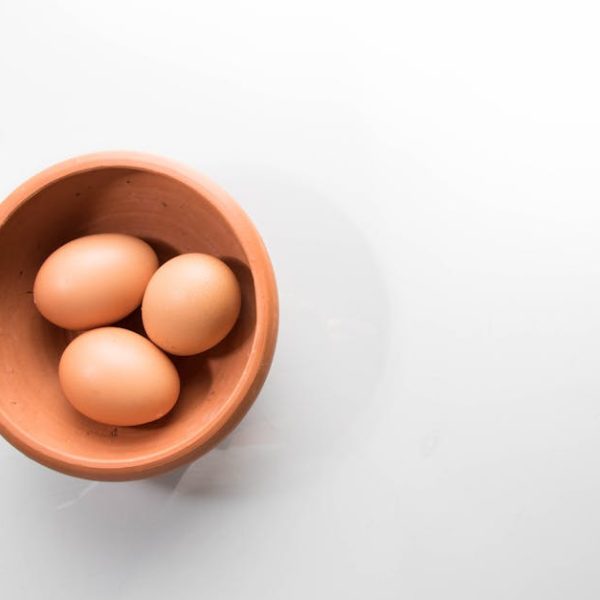
- Eggshells: Don’t toss those eggshells in the trash; they’re a rich source of calcium vital for cell growth in plants. Rinse, dry and crush them into a powder. Incorporate this powder into your soil or sprinkle around the base of your plants.
- Wood Ashes: Wood ashes are a great source of potassium and calcium. It can be mixed directly into the soil or used as a top dressing. Keep in mind that wood ash increases soil’s pH, so use sparingly if your soil is already alkaline.
However, while these DIY fertilizers promise the desired nutrients, remember to give your plants a varied diet. Rotate among different types to ensure a balanced nutrient supply. Consult the below table to choose the right fertilizer for your plants based on their nutrient deficiency:
| Fertilizer | Nutrients |
| Bone Meal | Phosphorus and Calcium |
| Fish Emulsion | Nitrogen, Phosphorus, and Potassium |
| Eggshells | Calcium |
| Wood Ash | Potassium, Calcium and increases pH |
Happy Harvesting!
With your plants properly nurtured, you’ve paved the way for a healthy and fruitful asparagus harvest. However, remember that your plants’ health is an ongoing journey. Monitor your plants for any signs of deficiency and adjust your fertil
Key Takeaway:
- Asparagus plants require a range of essential nutrients, including Nitrogen, Phosphorus, Potassium, Calcium, Sulfur, Iron, and Magnesium, for optimum growth. Nutrient deficiencies can impact the health and yield of the plants.
- Organic fertilizers, in contrast to chemical ones, release nutrients gradually, preventing over-fertilization and root burn. They also enhance overall soil health, which in turn improves plant health.
- DIY organic fertilizer alternatives like compost, compost tea, and nutrient-rich fertilizers from household waste like bone meal, fish emulsion, eggshells, and wood ashes provide an eco-friendly and cost-effective solution to cater to the asparagus plants’ nutritional requirements, ensuring a healthy and abundant harvest.
Despite the daunting task of maintaining your garden’s health, remember, you have the key to successful, eco-friendly gardening right in your hands. By understanding the nutritional needs of your plants and supplementing them effectively through organic, DIY fertilizers, you can ensure a vibrant, bountiful yield. Happy gardening!
FAQs
Q: Can overwatering affect the nutrient absorption of asparagus plants?
A: Yes, overwatering can cause nutrients to leach from the soil, reducing their availability to the asparagus plants. It’s always crucial to maintain balanced watering practices.
Q: How do I recognize if my asparagus plants are nutrient deficient?
A: Signs of nutrient deficiency can include yellowing leaves, stunted growth, and reduced yield. Monitoring your plants regularly can help catch any deficiencies early.
Q: Can I use these DIY organic fertilizers for other plants too?
A: Absolutely! While this article focuses on asparagus, these DIY organic fertilizers can be beneficial to many other plant species. Always research the specific needs of different plants when using any fertilizer.
Q: Is it necessary to rotate between different organic fertilizers?
A: Yes, rotating between different types helps ensure a balanced nutrient supply for your plants as each fertilizer offers a unique nutrient composition.
Q: Apart from fertilization, what are other ways to maintain healthy asparagus plants?
A: Regular weeding, balanced watering, adequate sunlight, and pest management are also crucial aspects of maintaining healthy asparagus plants.
Please explore more articles on our website to enrich your gardening knowledge and feel free to share it with other gardening enthusiasts.