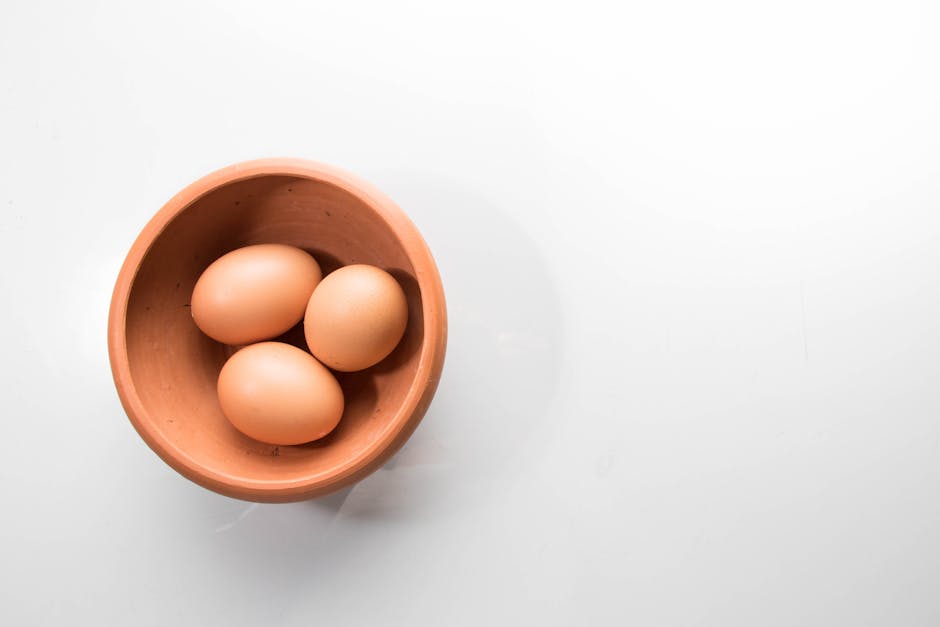
Eggshells can be a beneficial and cost-effective way to fertilize your plants. These leftovers from your breakfast can provide a source of key nutrients to enhance plant growth and overall health. In this article, we dive into the nutritional perks of eggshell fertilizers and guide you on how to transform this common kitchen waste into a powerful tool for your garden.
Understanding the Nutritional Benefits of Eggshells for Plants
Eggshells are rich in calcium carbonate – a nutrient essential to plant health – making up almost 94% of the shell’s dry weight. This mineral plays a vital role in plant cell structure development and aids in sturdier, more robust plants. It becomes particularly crucial for flowering and fruiting plants. Lower calcium levels can lead to disorders such as blossom end rot in tomatoes or bitter pit in apples, implying the importance of supplementing with eggshell fertilizer.
Besides calcium, eggshells contain traces of other minerals such as:
- Magnesium
- Phosphorus
- Sodium
- Potassium
- Zinc
Each of these minerals plays an important part in plant development, and their combined presence in eggshells makes this fertilizer a beneficial option for varied plant types.
Methods to Prepare Eggshells as DIY Fertilizer
To prepare eggshell fertilizer, several techniques can be employed. Some gardeners prefer using crushed eggshells, while others prefer a fine eggshell powder for a quicker nutrient release. The choice largely depends on your gardening preferences and the specific needs of your plants.
To prepare eggshells for use in gardening, follow these steps:
- Collect the remaining shells after a meal.
- Rinse them thoroughly to remove any egg content.
- Allow them to air dry.
- Crush the shells into smaller pieces or grind them into a fine powder, using a blender or morter and pestle.
Remember to wash and sterilize your eggshells effectively to prevent any chance of disease transmission from contaminants that may have lingered on the eggshells.
How to Utilize Eggshell Fertilizer in Your Garden
You can apply prepared eggshell fertilizer to your plants in a few different ways. Mix the eggshell pieces or powder into the soil around the base of the plant. Alternatively, add it to your compost for a slower, more controlled release of nutrients. The choice depends on the specific needs of the plants in your garden.
Comparing crushed eggshells and eggshell powder, the latter breaks down quicker and therefore makes nutrients available faster. However, crushed eggshells break down gradually, providing a slow release nutrient source that benefits plants over a longer period.
Consistency is key when using eggshell fertilizer. Regularly supplementing your plants with this nutrient-rich additive can lead to noticeable growth enhancement and an overall healthier garden.
Stay tuned for part 2 where we’ll discuss precautions to take when using eggshell fertilizers and how to incorporate them into a broader fertilization strategy.
Cautions and Considerations when Using Eggshell Fertilizer
While eggshells can provide notable benefits to your plants, it’s important to use this fertilizer wisely. Overuse can lead to an imbalance in soil nutrients, and not all plants prefer the high calcium levels that eggshells boast. Excessive calcium may affect the uptake of other crucial nutrients like potassium and magnesium, making it imperative to employ a balanced approach when using eggshell fertilizers.
Some potential pros and cons of eggshell fertilizer include:
Pros:
- Free and eco-friendly
- High source of calcium
- Slow release of nutrients, maintaining soil fertility over time
Cons:
- Risk of nutrient imbalance if overused
- Not suitable for plants preferring acidic soil due to the alkaline nature of eggshells
- Requires some preparation time
In order to ensure the eggshell fertilizer is benefitting your plants without creating imbalances, keep a close eye on indicators such as plant growth, leaf color, and size of fruits or flowers. If plants show signs of distress like yellowing leaves or stunted growth, consider adjusting your fertilization routine.
Incorporating Eggshell Fertilizer into a Broader Fertilization Strategy
Using eggshell fertilizer should not be viewed as a standalone shift in your plant nutrition plan. Instead, think of it as one piece of the puzzle that contributes to a healthy, nutrient-rich garden landscape. It’s essential to balance the calcium brought in by the eggshells with a good mix of other vital nutrients.
Here are some examples of organic kitchen waste items that can also be employed as plant fertilizers:
- Coffee grounds (Nitrogen)
- Banana peels (Potassium)
- Vegetable scraps (Varied nutrients)
It may be beneficial to experiment with different types of compost and fertilizers, like vermicompost or fish emulsion, to meet the diverse nutrient requirements of your plants. This way, you can create a nutrient-rich environment that holistically nurtures plant growth.
To design an effective fertilization routine, consider the following:
- Nutrient requirements of your plants
- Ambient growing conditions
- Soil pH and composition
- Type and timing of fertilizer application
Through careful consideration and application, eggshell fertilizer can be a valuable addition to your garden toolkit. Happy gardening!
Key Takeaway:
- Eggshells provide a rich source of calcium and trace minerals, making it beneficial for plant health and growth.
- Proper preparation of eggshells, including cleaning and crushing them, can maximize their benefits.
- Using eggshells as a fertilizer can be as simple as mixing them into the soil or compost.
- Maintaining balance is crucial, as overuse of eggshell fertilizers can lead to nutrient imbalances.
- Incorporating eggshells into a broader fertilization strategy can enrich the soil and ensure a diverse nutrient supply.
Using eggshells wisely can greatly boost the health and growth of your garden. Remember to balance their use with other compost and fertilizers for a well-rounded, nutrient-rich garden. Your plants can thrive with these DIY strategies; happy gardening!
FAQs
Q: Can I use eggshells for seedlings?
A: Yes, eggshell fertilizer can also be beneficial for seedlings. However, use it in moderation and balance it with other needed nutrients to avoid over-fertilization.
Q: How often should I apply eggshell fertilizer to my plants?
A: The frequency of eggshell fertilizer application can vary based on your plants’ needs. Watch out for signs of calcium deficiency (like blossom end rot in tomatoes) to determine when extra supplementation might be necessary.
Q: Can eggshell fertilizer be used for all types of plants?
A: While eggshells provide beneficial nutrients, certain plants that prefer more acidic soil may not be suitable for eggshell fertilizer due to its alkaline nature. Always research your specific plants’ needs before modifying their nutrient intakes.
Q: Do I need to sterilize eggshells before using them as fertilizer?
A: Yes, to lessen the risk of disease transmission, it’s good practice to wash and sterilize eggshells before using them.
Q: Can I use eggshell water for my plants?
A: Absolutely! Simply soaking crushed eggshells in water can create a calcium-infused solution that can be used to water your plants. This is an easy and efficient way to deliver this vital nutrient.
Feel free to share this article with your fellow garden enthusiasts and explore more posts on our site for additional gardening tips and advice.