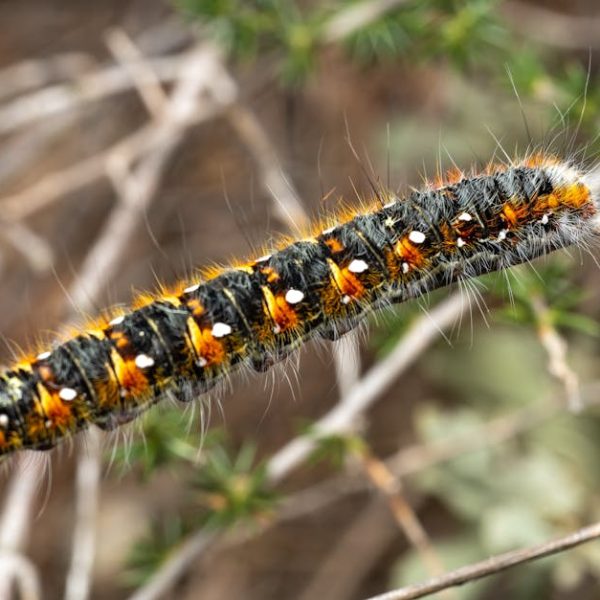

In the realm of lawn and garden care, few pests inspire as much dread and annoyance as the mole cricket. While their presence may seem harmless at first glance due to their size, these tiny creatures are capable of causing significant damage to your lawn. Understanding these pests, their behaviors, lifestyles, and their favorite habitats will not only aid in identifying an infestation early but also provide valuable insights on how to control or eliminate them effectively from your property.
Understanding Mole Crickets
Mole crickets are unlike any other cricket species. Robust and resembling small moles, they are notorious for their voracious appetite and exceptional ability to tunnel through the soil, uprooting plants and ruining your manicured lawns.
Knowing their favorite plants and understanding their life cycles are crucial in battling these pests. Mole crickets have an affinity for soft, healthy, and well-maintained turfgrasses, feeding on grassroots and stems. Their lifecycle begins with their breeding season in early spring when female mole crickets burrow into the soil to lay their eggs, which hatch in just about 2 weeks.
Best Practices: Be alert for signs of mole cricket infestation. These can include large patches of brown, dying grass, soft, spongy areas of lawn, and their tell-tale raised earth tunnels. Early identification is key to preventing a full-blown infestation.
Preventive Measures against Mole Crickets
Prevention is always better than cure, more so with mole crickets. An ounce of preventive measures can save you from a potential headache later.
Regular lawn maintenance is pivotal to keeping these pests at bay. An unkempt lawn with overgrown grass provides the perfect breeding ground for these insects. Keeping your lawn mowed and healthy reduces their appeal and makes it harder for mole crickets to thrive.
Pro Tips: Employ organic options like the introduction of beneficial nematodes that are natural predators of mole crickets. Nematodes feed on mole cricket eggs and larvae, reducing the chances of an infestation. Choosing mole cricket resistant grass such as Bermuda grass or zoysia can also greatly help in your preventive efforts.
Natural Methods to Control Mole Crickets
The benefits of using natural methods to control pests are multifold. They are environmentally friendly, non-toxic, and often, cost-effective. In the context of mole crickets, beneficial insects like spiders, ants, and beetles are natural predators and can regulate the mole cricket population in your lawn.
Creating a conducive environment for these predators can be as simple as growing plants that attract this beneficial fauna. Plants like dill, coriander, or sunflowers are known to be appealing to these insects.
Pros and Cons: While natural methods are environmentally beneficial, they may take a longer time to show results and might not be ideal for large infestations.
Chemical Control for Mole Crickets
At times, natural methods might not be sufficient, particularly in cases of severe infestations. Here, chemical control methods come into play.
There are various insecticides available in the market specifically targeted at mole crickets. These include both contact and systemic insecticides, with specific instructions on their application methods.
Checklist:
- Always read the product label and follow the manufacturer’s directions.
- Wear protective clothing during application.
- Avoid using insecticides during the face of rain to prevent washing away.
- Store insecticides in their original containers in a secure place away from food and pet food.
Pros and Cons: Although chemical methods provide quicker results, bear in mind the potential environmental implications and health risks associated with the misuse of these products. Some of these insecticides can be harmful to humans, pets, and beneficial insects if not used correctly.
Professional Pest Control Services for Mole Crickets
Should the situation escalate beyond your control, consider hiring a professional pest control service. These experts are well-trained to handle various pests, including mole crickets, and can deliver quick and effective results.
Expect a thorough inspection of your property before the professionals formulate a custom pest management plan.
Comparison between DIY and professional services:
| DIY | Professional Services | |
|---|---|---|
| Cost | Variable, depending on materials bought | High, includes service fees |
| Effectiveness | Depends on the severity of the infestation and personal ability | High, professionals are trained and experienced |
| Time | Quite time-consuming | Time-efficient |
Best Practices: Be certain to research and select a reliable pest control service. Ask for recommendations, read reviews, and request for credentials. Ensure they follow environmentally-friendly practices and offer a guarantee for their services.
Mole crickets can be a significant nuisance but knowing how to act and when allows for efficient management and control of these pests. Utilize these tips and take swift action at the first signs, ensuring a flourishing lawn and garden.
Key Takeaway:
- Understanding mole crickets, their characteristics, behaviors, and lifecycle are crucial for prevention and control.
- Regular lawn maintenance is key in preventing a mole cricket infestation.
- Natural methods, especially the use of beneficial insects, can control and regulate mole cricket infestation.
- Chemical control should be considered when natural methods are insufficient, however, proper application and safety measures must be adhered to reduce environmental and health risks.
- Professional pest control services are an option when the infestation is overwhelming, with their custom management plans and professional expertise.
Knowing the enemy and employing preventive measures is half the battle won against mole crickets. Using a fusion of natural and chemical methods can help control and eliminate these pests effectively. Remember, early detection and immediate action are key in maintaining your beautiful lawn. Rest assured that overcoming a mole cricket infestation is not an insurmountable task.
FAQs
Q: How can I attract beneficial insects to my garden to naturally control mole crickets?
A: Growing certain plants like dill, coriander, or sunflowers, known to attract beneficial insects like spiders, ants, and beetles, can create a conducive environment for these predators, easing your mole cricket problem.
Q: What precautions should I take while using chemical insecticides against mole crickets?
A: Always wear protective clothing, follow the manufacturer’s instructions strictly, avoid use during rainy days to prevent runoff, and store them securely away from food and pet food. Make sure to consider potential environmental and health impacts.
Q: Can I use mole cricket resistant grass to deter these pests?
A: Yes, planting mole cricket resistant grasses like Bermuda grass or zoysia can deter mole crickets and reduce the chances of an infestation.
Q: Are professional pest control services environmentally friendly?
A: Not all pest control companies follow environmentally friendly practices. It’s important to research and select a service that commits to eco-friendly procedures when managing pests.
Q: How can I identify a mole cricket infestation?
A: Signs of mole cricket infestation include large patches of brown, dying grass, soft, spongy areas of lawn, and noticeable raised earth tunnels. Early identification can help prevent a full-blown infestation.
Remember knowledge is power; being aware of the problem is the first step in the solution. Feel free to share this article, and explore more posts on our site for additional insights on maintaining a healthy and thriving garden.