
Cultivating vibrant cucumbers can turn out to be an extremely rewarding activity – the crisp crunch and rejuvenating taste of home-grown cucumbers surpass the store-bought ones on every count. But, nurturing a thriving cucumber plant requires careful attention to certain crucial factors. Let’s walk through seven successful methods to sow, grow, and enjoy abundant harvests of this refreshing vegetable in your own garden.
Selecting the Right Variety
Success in cucumber cultivation kicks off with selecting the right variety. Not every variety of cucumbers will thrive in any garden environment; each comes with unique cultivation needs. Whether it’s climatic requirements, space available, or disease resistance, you need to factor these aspects when choosing your cucumber seeds.
For instance, compact or bush varieties like ‘Salad Bush’ or ‘Bush Pickle’ are excellent choices for smaller gardens or patio gardening. On the other hand, ‘Marketmore 76’ or ‘Dasher II’ known for their disease resistance, can be a good fit for areas prone to cucumber diseases.
Proper Preparation of the Soil
The foundation of a thriving cucumber plant lies in the preparation of its bed – the soil. Cucumbers prefer a soil pH between 6.0 and 7.0. They love well-drained, warm soils rich in organic matter.
To prepare for planting:
- Ensure the soil pH is within the acceptable range, using a soil pH test kit.
- Incorporate compost or aged manure to enhance soil fertility.
- Fine-tune soil structure (for heavy clay or sandy soil) by adding organic matter like composted leaves or well-rotted garden waste.
Proper Planting Techniques
Planting cucumbers involves deciding between starting with seeds directly sown in the garden or transplanting seedlings started indoors.
For direct sowing, plant seeds 1 inch deep and about 18 inches apart in rows 3 feet apart. When the plant has 2-3 leaves, thin to single plants about 1 foot apart.
For starting indoors, fill a biodegradable pot with seed-starting mix. Plant 2 seeds per pot about 1 inch deep and 18-36 inches apart. Position the pot in a warm, bright location. Once seedlings have a pair of true leaves and after hardening off, they can be planted directly into the garden.
Both methods have advantages; direct sowing avoids root disturbance while starting indoors extends growing seasons in areas with a shorter gardening season.
Providing Adequate Sunlight and Water
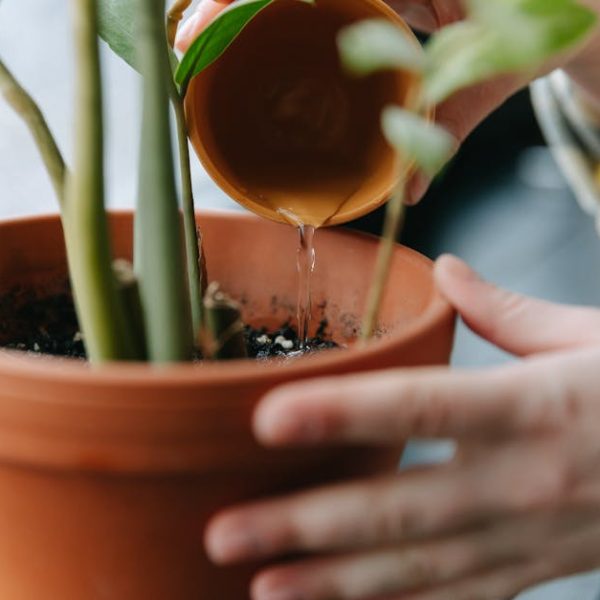
Cucumber plants bask in full sun and frequent watering, both being critical for their vibrant growth. Aim for a location that offers at least 6-8 hours of sunlight a day. Moreover, cucumbers are thirsty plants, needing consistent moisture, especially during their fruiting period to avoid bitter taste. However, bear in mind that too much water can lead to diseases related to excess moisture like root rot or mildew.
Pro tip: To keep the balance between sun exposure and watering, use mulch to retain soil moisture and plant cucumbers in raised beds or mounds for good water drainage.
Maintaining the Plants and Preventing Diseases
Just like any other plant, cucumbers need regular upkeep to thrive. This includes routine feeding, timely pruning, and vigilant protection against plant diseases and pests.
- Fertilize every 2-4 weeks using a balanced vegetable fertilizer.
- Prune the plant canopy to improve air circulation and prevent diseases.
- Watch out for common pests like cucumber beetles or aphids and diseases like powdery mildew or downy mildew.
Knowledge is power when it comes to preventing cucumber diseases. Arm yourself with knowledge about common cucumber diseases, their symptoms, and prevention measures.
Supporting Cucumber Plants for Better Production
Trellising or providing support to your cucumber plants can vastly improve their productivity. With good support, they get more sun exposure which leads to more productive photosynthesis. Support also allows for improved air circulation, reducing the risk of disease.
When building a support, remember, it needs to be sturdy. Cucumbers, after all, are vine plants that could get heavy with fruits. Commonly used materials for trellising include wood, bamboo, and galvanized mesh.
Harvesting and Storing Cucumbers Properly
Are you eager to taste the first home-grown cucumber? When are cucumbers ready for harvest? may be your next question. Cucumbers are at their peak taste and texture when they are firm, bright to dark green, and of a medium size, depending on the variety. Overripe cucumbers turn yellow and are usually bitter.
After harvest, cucumbers can be stored in the refrigerator for up to a week. For longer storage options, consider pickling or canning your cucumber harvest.
Nothing beats the rewarding rush of reaping crunchy, refreshing cucumbers right from your own garden. Happy planting and even happier snacking!
Cucumber Cultivation Quick Checklist:
- Select the optimum variety suited for your garden conditions.
- Prepare the soil with correct pH balance and rich organic matter.
- Decide on plantation method – direct sowing vs. starting indoors.
- Locate a sunny spot and maintain consistent watering routine.
- Regularly feed, prune, and monitor for diseases and pests.
- Install a sturdy support system like trellising.
- Harvest when cucumbers are firm, bright-to-dark green, medium-sized.
- Store harvested cucumbers in the refrigerator or consider pickling for long-term storage.
Key Takeaway:
- Selecting the right variety of cucumber based on your garden conditions is the first step to successful cultivation.
- Proper soil preparation, ensuring optimum pH level and rich in organic matter, lays the base for healthy cucumber plants.
- Choosing between direct sowing and starting indoors is crucial, depending on the climate conditions of the area.
- Providing the right amount of sunlight and water is essential for optimum growth of cucumbers, considering their specific needs.
- Regular maintenance, including feeding, pruning, and actively preventing diseases and pests, ensures a healthy growth.
- Communally providing support to cucumber plants boosts their production.
- Timely harvesting when cucumbers are at their optimum size and color results in the best flavor and texture.
- Proper short-term and long-term storage practices ensure the freshness of cucumbers.
With a clear understanding of these techniques and practices for cultivating vibrant cucumbers, embark on your gardening adventure. Remember, patience and care are inherent to gardening. Enjoy nurturing your plants and watch them bloom and yield crunchy, flavorful cucumbers that outshine any store-bought ones.
FAQs
Q: Can I grow cucumbers in pots?
A: Yes, you can grow cucumbers in pots. In fact, compact or bush varieties like ‘Salad Bush’ or ‘Bush Pickle’ are specifically great for container gardening.
Q: How long does it take for cucumbers to grow?
A: Depending on the specific variety and growing conditions, cucumber plants generally start bearing fruit 50 to 70 days after planting.
Q: How many cucumbers will one plant yield?
A: A healthy cucumber plant can yield approximately 5 to 7 cucumbers per plant. However, this can vary greatly depending on the variety and growing conditions.
Q: Do cucumbers need direct sunlight?
A: Yes, cucumbers thrive in full sun. It’s ideal to find a location that provides at least 6-8 hours of sunlight a day for your cucumber plants.
Q: Can overripe cucumbers be eaten?
A: Overripe cucumbers turn yellow and may have a bitter taste. They may still be edible but won’t have the best flavor. It’s best to harvest cucumbers when they’re firm and green.
Spread the joy of gardening by sharing this article with your fellow gardening enthusiasts and explore more gardening secrets and tips on our website.