While ants may be inconspicuously small, these determined critters can cause a considerable amount of nuisance when infiltrating homes. Although it can be tempting to rely on chemical repellents, natural ant-killing methods can be a simple and environmentally friendly alternative. Herein, we delve into over 21 such methods that you’ll love and will help keep your home ant-free.
Deterrence Through Natural Ant Repellent Methods
Ants’ heightened sense of smell can be their Achilles heel when it comes to natural repellents. Common household items like vinegar, cinnamon, and certain essential oils (such as peppermint) can deter ants due to their strong scent – disrupting the scent trails ants leave for their counterparts to follow.
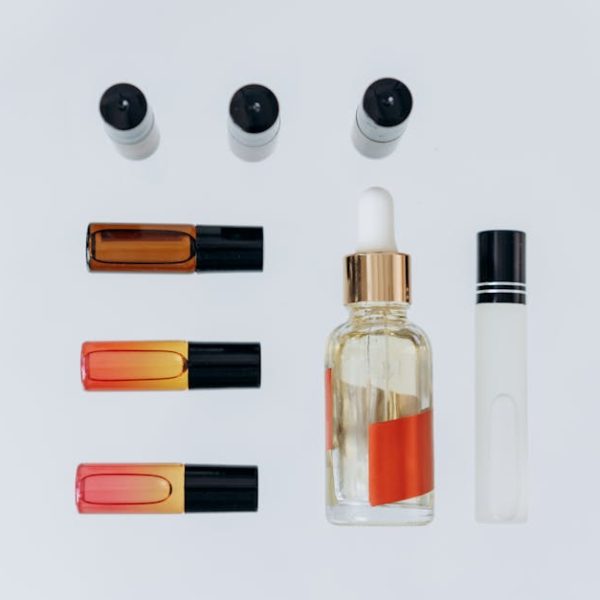
Here are the top 5 essential oils effective in ant deterrence:
- Peppermint Oil
- Tea Tree Oil
- Clove Oil
- Lemon Oil
- Orange Oil
While natural repellents may seem a slower means to an end, they are highly advantageous as they do not pose the environmental concerns of chemical-based solutions.
Food Waste, Cleanliness, and Ant Control
Ants are tiny scavengers on the lookout for their next meal. A minor crumb left on the floor or sticky residue on the trash bin is an open invitation for these pests. Cleanliness plays a critical role as a subtle and natural ant deterrent.
Here are 6 practical steps on maintaining cleanliness for ant control:
- Regularly sweep and mop floors
- Wipe down surfaces after every meal
- Ensure trash bins have a tight lid
- Clean dishes immediately after use
- Regularly dispose of food waste
- Keep foodstuff in airtight containers
A pro tip to remember is that sealing food, particularly sweet items, in airtight containers can greatly impact preventing ant infestations, as ants have an insatiable sweet tooth.
Natural Ant Baits and Traps
Natural baits and traps are a combination of attractants, usually food-based, mixed with a substance that can eliminate ants. Common household items can be used to create these baits which in return can control the ant problem.
A few DIY natural ant bait recipes include:
- Borax mixed with jam or jelly
- Sugar mixed with baking soda
- Peanut butter combined with borax
- Molasses, yeast, and borax mixture
- Honey mixed with boric acid
DIY natural ant traps have advantages over store-bought traps. Aside from costing less, they are eco-friendly and allow for customization based on what type of ants are infesting your home. However, store-bought traps can save time and ensure consistent performance. Both have the common goal of eliminating these pests.
Encourage Ant Predators
Certain species are natural predators of ants. Encouraging the presence of these creatures can help manage the ant population in your areas. This doesn’t necessarily mean you’re trading one pest problem for another, as many of these predators, like birds and spiders, provide other ecological benefits and likely already inhabit your yard in some capacity.
Steps to make your yard more appealing to natural ant predators include:
- Setting up bird feeders to attract more birds
- Encourage spiders by reducing the use of outdoor lights at night
- Planting specific plants to attract certain insect predators
A critical pro tip is to maintain a balance. Encouraging predators doesn’t mean creating an inviting habitat for all kinds of pests. Care should be taken to avoid certain predators that may also be harmful or become nuisances themselves.
Use of Natural Insecticides and Sprays
Natural insecticides and sprays are eco-friendly solutions to ant invasions. These substances can be employed directly on ant pathways or entryways to your home.
Prominent natural insecticides in the market include:
- Pyrethrin Spray
- Boric Acid Powder
- Diatomaceous Earth (Food-Grade)
- Citrus Peel Extract Sprays
- Neem Oil
When applying natural insecticides and sprays, certain steps should be followed:
- Always use gloves for application
- Avoid over spraying, stick to the ant paths
- Keep insecticides out of reach for pets and children
- Be patient, natural insecticides might take a bit longer to show results
Professional Assistance and Natural Methods
In cases where the ant problem is rampant or recurrent despite best efforts, professional assistance might be needed. Pest control services have the necessary tools and expertise to combat severe infestations. Even these experts, however, do rely on natural methods in some cases.
Before hiring professionals, some factors to consider include:
- References and reviews of the service
- The extent of the infestation
- The given quote for the job
- The chemicals being used and their effects
Combining both natural methods and professional services can yield effective results. Professionals can provide immediate relief through expert service while ongoing use of natural methods helps prevent future infestations. Always keep your service provider informed about your use of natural methods to ensure a collaborative and successful approach to keeping your home ant-free.
By following these simple and natural strategies, your home will be more equipped to ward off ant invasions, promoting a healthier and more harmonious living environment. Loading…