
In hot summer climates, not every plant can handle the blazing sun and increased temperatures. Some plants, however, have adapted over the years to not only endure but thrive in these harsh conditions, making them an excellent choice for your summer garden. These select species have evolved to conserve water, thrive despite direct sunlight, and flourish in dry, arid soil conditions. But it’s not only their endurance that makes them desirable – these plants can also flourish, adding vibrant colors and textures to your garden even in the peak of summer.
1. Selecting Plants That Endure High Temperatures
Opting for heat-tolerant plants is key when planning for a garden that will face relentless summer temperatures. These plants are successful because of several distinct characteristics that allow them to withstand and flourish in heat and drought conditions. Noticeable features include hairy or waxy leaves to reduce water evaporation, and deep roots that reach down to cooler, moister layers of soil.
Some heat-resistant plants include:
- Succulents such as Agaves, Sedums and Echeverias
- Perennials like Coneflowers, Black Eyed Susans, and Yuccas
- Shrubs such as Crepe Myrtle, Lantana, and Oleander
Pro Tip :: When shopping for heat-tolerant plants at your local nursery, look for those labeled as drought-resistant. These plants typically have features like thick, waxy, hairy, or silver leaves – all signs of a plant built for endurance in the heat.
2. Features of Heat-Tolerant Plants
Heat-tolerant plants exhibit various features that allow them to survive and prosper under extreme temperatures. The leaves, for instance, play a significant role in maintaining water levels. Often, these plants have smaller, waxy or hairy leaves that minimize water loss through reduced evaporation. The plant’s root system is equally crucial, with many heat-loving plants developing deep roots that tap into the cool, moist depths of the soil.
Best practice: When picking climate-appropriate plants for your garden, understanding these features helps tremendously. Be on the lookout for plants with specific leaf types and substantial root systems as these are usually signals of a plant’s adaptability to scorching conditions.
3. Top-Five Plants Ideal for Hot Climates
If you’re wondering which heat-tolerant plants might be best for your landscape, consider these top-five champions:
- Bougainvillea – Known for its vibrant and plentiful flowers, Bougainvillea comes in different colors and thrives in full sun.
- Oleander – This hardy shrub offers beautiful blooms and can handle both heat and drought.
- Texas Ranger – This plant thrives in the heat and provides purple blossoms through the height of summer.
- Lantana – An excellent choice for hot climates, Lantana produces vibrant clusters of flowers throughout the summer.
- Agave – When it comes to heat and drought tolerance, few can beat the Agave plant.
Each of these plants brings a unique aesthetic appeal, heat tolerance level, and growth pattern to the table. Understanding their requirements ahead of time will significantly improve your success in cultivating them.
Comparison of Top Heat-Tolerant Plants
| Plant | Heat Tolerance Level | Water Requirement | Growth Pattern |
|---|---|---|---|
| Bougainvillea | High | Moderate | Climbing Vine |
| Oleander | High | Low | Shrub |
| Texas Ranger | High | Low | Shrub |
| Lantana | High | Moderate | Bush or Ground Cover |
| Agave | Extremely High | Very Low | Succulent |
4. How to Care for Heat-Tolerant Plants
While heat-tolerant plants generally require less care than others, several best practices can help you keep these hardy plants healthy and thriving throughout the summer.
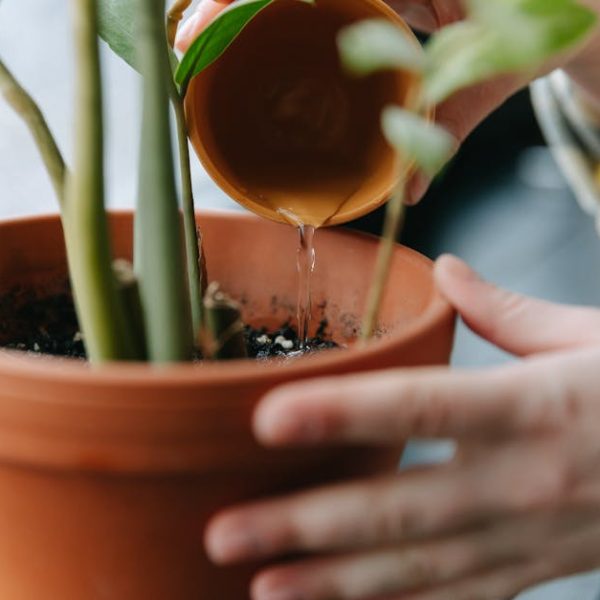
- Watering: Many heat-tolerant plants have built-in mechanisms for retaining water, but they still depend on regular watering. Opt for deep watering early in the morning or late evening, especially in extreme heat, to prevent water evaporation.
- Pruning: Prune as needed to maintain the shape and size that best suits your landscape. Timing for pruning can vary among different plant species, so be sure to look up specific recommendations for your chosen plants.
- Fertilization: Light fertilization can encourage growth, especially during the active growing season. Again, tailor the fertilization schedule based on specific plant requirements.
Here’s a quick checklist to keep your garden in peak condition:
☑️ Water deeply in the mornings or late evenings
☑️ Prune according to plant-specific recommendations
☑️ Fertilize lightly during the growing season
5. Adapting Your Garden for Hot Climates
Transforming your garden into a heat-tolerant paradise goes beyond just picking out the right plants. Considerations around shade, soil type, and water management can all have significant impacts on plant health.
Instead of trying to fight the climate, learn how to work with it. Here are a few strategies:
- Use a layer of mulch to keep the soil cool and retain moisture.
- Maintain a watering schedule that reduces evaporation (early mornings or late evenings are best).
- Provide shade for more sensitive plants or those that require some relief from the sun.
Pro Tip : Consider installing a drip irrigation system. This system delivers water directly to plant roots, reducing water loss due to evaporation and maximizing water efficiency.
In conclusion, while the summer heat can be a challenge for many plants, selecting the right heat-tolerant varieties and tailoring your garden practices to the climate can result in a flourishing and vibrant outdoor space. Happy gardening!
Key Takeaway:
- Choosing plants that can withstand high temperatures is important for maintaining a vibrant garden in hot summer climates. Heat-resistant plants can conserve water, endure direct sunlight, and thrive in dry soil.
- Heat-tolerant plants have features like hairy or waxy leaves and deep roots which help them retain water and manage harsh temperatures effectively.
- Some heat-resistant plants include Succulents, Coneflowers, and Shrubs such as Crepe Myrtle and Lantana.
- Taking care of these plants requires regular watering, periodic fertilization, judicious pruning, etc., preferably during early morning or late evenings.
- To make your garden more resistant to heat, implement shade provisions, use suitable soil, maintain a relevant watering schedule, and consider drip irrigation systems.
Despite the challenges that hot climates present, you can still cultivate a thriving garden by carefully selecting heat-resistant plants and adopting appropriate gardening practices. Always remember, a well-planned garden can flourish even under the scorching sun.
FAQs
Q: Can indoor plants also resist high temperatures?
A: Some indoor plants can also tolerate higher temperatures, but it’s important to do research before making a selection.
Q: Can I use the same fertilizers for heat-tolerant plants as I do for other plants?
A: Factors such as the plant variety, soil conditions, and local climate will dictate the fertilizer requirements. Always follow guidelines specific to your chosen plant and region.
Q: Are these heat-tolerant plants safe for pets?
A: Plant safety for pets varies from species to species. Please check each plant’s characteristics before bringing them into a home with pets.
Q: Do heat-tolerant plants require pruning?
A: Most plants benefit from occasional pruning to maintain their shape and size according to your landscape. Look up specific recommendations for your chosen plants.
Q: What kind of mulch is best for heat-tolerant plants?
A: Mulch with good water retention capabilities is often beneficial for these plants. Organic mulch can also benefit the soil by slowly breaking down and enriching the soil with nutrients.
Remember, gardening is a continuous exploration. Don’t shy away from experiments and remember to take failures as part of the natural learning process. Share this article with friends who may find it useful, and explore more gardening tips and tricks on our website.