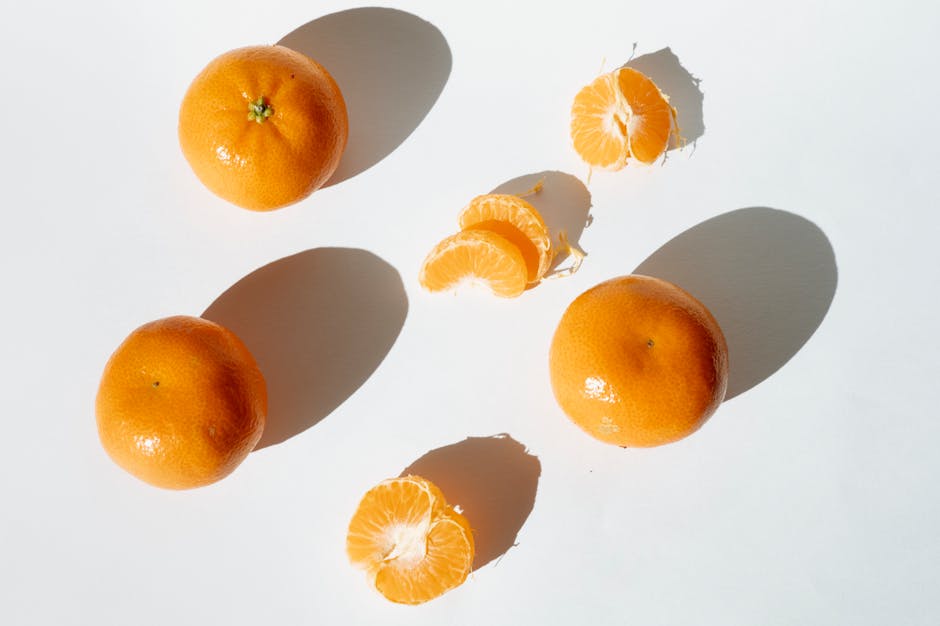
Everyday household items, such as citrus peels, can have remarkable insect-repelling properties that you might not even be aware of. Citrus peels, from oranges, lemons, or grapefruits, contain the active compound ‘limonene.’ This compound is a natural insecticide, effectually deterring numerous pests, including ants and fleas.
- Use: Common methods of using citrus peels as a repellent include scattering them around your garden or processing them into a quick, homemade citrus-infused spray.
Pro Tip: For quick relief from pesky ants, try directly placing citrus peels near ant hotspots. The strong aroma disrupts their scent trails and keeps them at bay.
Harnessing the Power of Herbs and Spices
Several herbs and spices that you frequently use for cooking also double as powerful pest deterrents. Bay leaves, cinnamon, and cayenne pepper, for instance, are known to keep pests away. They work against a range of pests including roaches, ants, and even rodents.
- Use: You can scatter whole leaves or crushed spices around the corners of your home or plant them around your garden beds for an effective pest deterrent approach.
| Herb/Spice | Effective Against |
|---|---|
| Bay leaves | Ants, Flies, Roaches |
| Cayenne Pepper | Squirrels, Chipmunks |
| Cinnamon | Ants, Moths |
Best Practice: To get the most out of your herbs and spices, keep them fresh and replenish them regularly to maintain their strong aroma and ultimate pest-repelling powers.
Vinegar: A Versatile and Eco-Friendly Pest Control Solution
Vinegar is another household item you can enlist in your fight against pests. Its strong smell and acidic nature make it a broad-spectrum pest control solution. From ants and fruit flies to rabbits and deer, a wide range of pests dislike the strong odor of vinegar.
- Use: Making a vinegar-based repellent is straightforward. Dilute vinegar with water to a concentration you’re comfortable with and spray around your house, yard, or garden.
Pro Tip: Remember, vinegar is non-toxic, thus making it safe to use around kids and pets.
Checklist for making a DIY Vinegar Pest Repellent:
- Choose the type of vinegar you’d like to use. White distilled vinegar is a popular choice.
- Mix one part vinegar and one part water in a spray bottle.
- Shake well to ensure the mixture is thoroughly combined.
- Spray the solution in areas where you’ve noticed pest activity.
- Repeat the process every few days for the best results.
Coffee Grounds: An Eco-Friendly Pest Control
Did you know that your morning cup of coffee could contribute to your pest control solutions? The caffeine and diterpenes found in used coffee grounds can be disruptive to pests such as ants, slugs and even cats.
- Use: You can scatter used coffee grounds in outdoor areas like your garden or patio. Alternatively, they can be put in small bowls or containers and placed in indoor areas where pests are most active.
Pros and Cons of Using Coffee Grounds as a Pest Repellent
| Pros | Cons |
|---|---|
| Ready availability if you’re a coffee lover | May attract pests like cockroaches |
| Environmentally friendly | Not effective against all pests |
| Easy to use | Can make your garden soil acidic if used in large amounts |
Best Practice: Coffee grounds can be a fantastic addition to your compost pile, providing a rich source of nitrogen and organic material – just be cautious not to overuse them.
Essential Oils: Natural and Fragrant Pest Deterrents
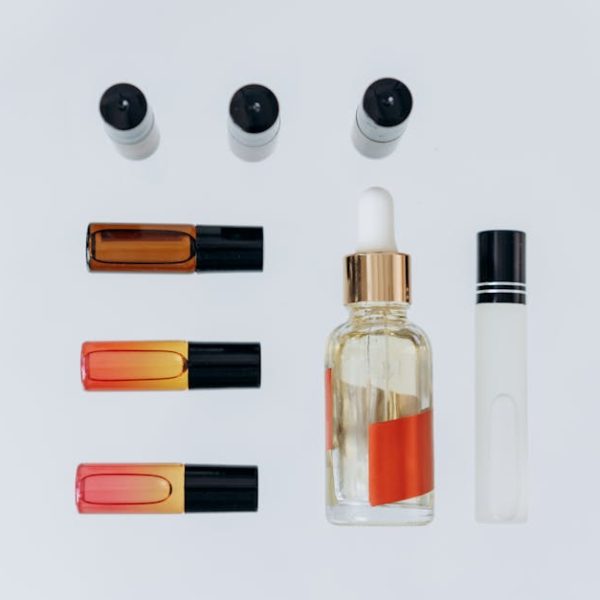
Essential oils can serve as powerful organic pest repellents. Eucalyptus, citronella, and tea tree oils are known for their insect repelling properties. Not only will these oils keep the pests away, but your home will smell amazing too.
- Use: These oils can be diluted with water and sprayed in areas of your home where pests are common. They can also be added to a diffuser to keep pests out.
Comparing the Effective Pests of Various Essential Oils
| Essential Oil | Effective Against |
|---|---|
| Eucalyptus | Mosquitoes, Flies |
| Citronella | Mosquitoes, Ticks |
| Tea Tree | Ants, Lice |
Pro Tip: Essential oils can be potent, so it is always recommended to dilute them with a carrier oil or water. Additionally, while they are generally safe for humans and pets, some individuals or animals may have allergic reactions – test a small amount before widespread use.
Remember, an effective pest control strategy involves a multipronged approach. Using a combination of these natural pest control methods can help you create a safer and more comfortable living environment. Happy experimenting to find the right blend for your home!
Key Takeaway:
- Citrus peels, herbs, spices, vinegar, coffee grounds and essential oils can serve as natural pest repellents.
- The limonene compound in citrus peels effectively deters various pests.
- Herbs and spices like bay leaves, cinnamon and cayenne pepper are powerful pest deterrents.
- Vinegar’s acidic nature and strong odor make it a versatile repellent.
- Used coffee grounds can disrupt pests such as ants, slugs and even cats.
- Essential oils like eucalyptus, citronella, and tea tree oils have insect-repelling properties.
The simple yet effective pest control solutions mentioned in this article are easily within reach, right in your homes. They not only offer a non-toxic way of keeping pests at bay but also protect your cherished gardens, deliver pleasant fragrances, and promote a sustainable lifestyle. Armed with these insights, take control of pest repellence in the most natural way.
FAQs
Q: Which insects are particularly susceptible to citrus-based repellents?
A: Insects like ants and fleas are particularly susceptible to citrus-based repellents, and are deterred by the strong fragrance it exudes.
Q: What types of essential oils can I use for pest control?
A: Various essential oils can deter pests. For example, eucalyptus oil helps repel mosquitoes and flies, citronella oil is effective against mosquitoes and ticks, and tea tree oil works well against ants and lice.
Q: Are the mentioned pest control methods safe to use around pets and children?
A: Yes, these organic pest control methods are safe to use around pets and children. However, as with any product, it’s advisable to test a small amount first to ensure no allergic reactions occur.
Q: How do coffee grounds help in pest control?
A: The caffeine and diterpenes found in used coffee grounds can be disruptive to pests such as ants, slugs and even cats. They can be scattered around your home or garden for pest control.
Q: Are these organic pest control methods as effective as commercial pesticides?
A: The effectiveness of organic pest control methods can vary depending on factors like the type and number of pests, the size and condition of your home or garden, and how consistently you apply the methods. However, these organic methods can be a healthier and more environmentally friendly solution than commercial pesticides.
Feel free to share this article with friends and family who could benefit from it. Check out more posts on our website to learn about more organic, homegrown solutions for everyday issues.