
No matter how green your thumb, the tips to be shared in this article will empower you to take your tomato-growing prowess to new heights. Tomato plants, like all living things, require certain nutrients to thrive. Understanding these needs and learning how to meet them through DIY solutions can result in healthier plants and a more bountiful harvest. In this comprehensive guide, we will plunge into the nutritional requirements of tomato plants, the importance of soil pH, how to create nutrient-rich compost, and the use of household items like coffee grounds, eggshells, and Epsom salt as handy fertilizers. We will also cover the fascinating world of homemade liquid fertilizers. Let’s go!
Understanding Tomato Plant’s Nutritional Requirements
Before we discuss DIY fertilizing options, it’s key to understand the nutritional makeup that tomato plants need. Nutrients are the foundation of a plant’s health and fruit production. Tomato crops crave a balance of both macronutrients and micronutrients.
Macronutrients encompass Nitrogen (N), Phosphorus (P), and Potassium (K). Nitrogen stimulates leaf and stem growth, Phosphorus aids in fruit and root development, and Potassium, often referred to as the ‘quality nutrient,’ supports overall plant health.
On the other hand, essential micronutrients for tomatoes include Calcium (Ca), Magnesium (Mg), and Sulfur (S). These are crucial for enzyme systems, chlorophyll production, and fostering disease resistance. In addition, trace elements such as Iron, Copper, and Manganese are vital for tomato vitality but needed in smaller quantities.
Best Practices:
Nearly all these key nutrients can be provided to the tomatoes through the soil. By maintaining nutrient-rich soil that correctly balances these essentials, you set a solid foundation for your tomato plants to flourish.
The Importance of Soil pH when Growing Tomatoes
It’s easy to forget that the pH level of your soil significantly impacts the availability of these nutrients to your tomato plants. For instance, if the soil is too acidic or too alkaline, tomato plants may struggle to absorb some nutrients, leading to deficiencies.
Testing your soil pH level, therefore, is vital. If the soil is not within the optimal range (6.0 – 6.8 pH for tomatoes), it will need amending through the addition of lime to increase pH or sulfur to decrease it.
Pro Tip:
When testing your soil’s pH, take multiple samples from different areas and depths to ensure accurate results and thorough nutrient balancing.
DIY Nutrient Rich Compost for Tomato Plants
Composting is a fantastic way to return essential nutrients to your soil and drive your tomato plant’s health and productivity. By composting, you can create a nutrient-rich soil conditioner that tomatoes will love, made from vegetable peelings, coffee grounds, leaves, grass clippings, and more.
The benefits of composting are numerous, from improving soil structure and water retention to providing a slow-release source of nutrients and encouraging beneficial soil organisms.
Materials for your compost pile:
- Vegetable and fruit scraps
- Eggshells
- Coffee grounds
- Leaves
- Grass clippings
- Straw
- Manure
- Paper/Cardboard
Step-by-step Guide:
- Choose a suitable site for your compost – somewhere level, well-drained, and easily accessible.
- Begin your compost pile with a layer of browns (leaves, straw) for carbon, then a layer of greens (vegetable scraps, coffee grounds) for nitrogen.
- Add a thin covering of garden soil or compost to introduce the necessary microorganisms.
- Repeat these layers until your compost pile is about a meter high.
- Turn the compost every few weeks to aid decomposition.
- Wait for 2-3 months until you have rich, crumbly compost to add to your tomato beds.
Pros and Cons:
The upside of composting is cost-effectiveness, waste reduction, soil improvement, and the provision of slow-release nutrients. The downside is that it takes time and some effort to do it right, and nutrient ratios are not exact. Despite these factors, the benefits usually outweigh the drawbacks, making composting an excellent option to consider when fertilizing tomatoes.
Using Coffee Grounds, Eggshells, and Epsom Salt as Tomato Plant Fertilizer
Household items like coffee grounds, eggshells, and Epsom salt can be fantastic, readily available fertilizers for your tomatoes.
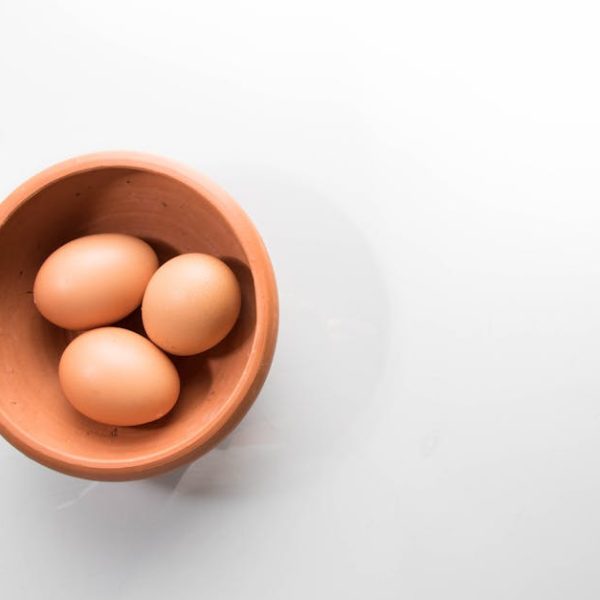
Coffee grounds carry hefty nutritional value, offering a rich source of Nitrogen, Potassium, and Magnesium. Eggshells provide a slow-release Calcium source that helps tomatoes develop a strong cellular structure. Epsom salt, known scientifically as hydrated magnesium sulfate, can benefit your plants by promoting growth, improving nutrient uptake, and preventing leaf curling.
However, it’s essential to apply them correctly to avoid overwhelming your plants or disrupting the soil’s nutritional balance.
Checklist:
- Gather used coffee grounds, rinsed and crushed eggshells, Epsom salt.
- Mix them into your compost pile or directly into the soil around your tomato plants.
- Avoid adding too much at once – moderation is key.
- Monitor your plants for any signs of stress and adjust accordingly.
Pro Tip:
Store eggshells and coffee grounds in separate containers in your kitchen until you have enough to use. They can be applied both fresh and dried – if using the latter, make sure to crush the eggshells finely to aid decomposition.
Pouring Homemade Liquid Fertilizers for Tomato Plants
Last up on our list of DIY tomato fertilizers are homemade liquid fertilizers. They’re a cost-effective, environment-friendly way of feeding your tomatoes with the nutrients they crave.
Ingredients for liquid fertilizers can range from garden and kitchen scraps to overripe fruit, seaweed, or used tea bags. Each comes with its unique nutrient profile that can benefit your tomatoes in different ways.
List:
- Vegetable and fruit scraps: A rich source of various nutrients and minerals.
- Used black tea bags: Packed with tannins and nutrients that aid plant growth.
- Seaweed: An excellent source of Nitrogen, Potassium, and trace minerals.
- Coffee grounds: Full of Nitrogen and other nutrients.
- Overripe bananas: Rich in Potassium, important for fruit development.
Best Practices:
- Steep your chosen materials in a bucket of water for a few weeks.
- Strain the liquid and dilute it (about one part liquid fertilizer to ten parts water) before applying it to the base of your plants.
- Use homemade liquid fertilizer once or twice a month during the growing season.
Remember, thriving tomato plants require a balance of nutrients, which you can provide through a thoughtful combination of these homemade solutions and good gardening practices. With this guide to DIY Tomato Food, your plants will soon be boasting plentiful, vibrant, and flavorful tomatoes. Happy gardening!
Key Takeaway:
- Understanding tomatoes’ nutritional requirements is key. They need both macronutrients (Nitrogen, Phosphorus, and Potassium) and micronutrients (Calcium, Magnesium, and Sulfur) along with some trace elements.
- The soil’s pH can impact the availability of nutrients to the tomato plants. Ideal soil pH for tomatoes ranges between 6.0 and 6.8.
- Composting is an effective way to provide essential nutrients to your soil and boost tomato plant health.
- Household items like coffee grounds, eggshells, and Epsom salt can serve as readily available fertilizers if used correctly.
- Homemade liquid fertilizers, made from kitchen and garden scraps, can be highly beneficial to tomatoes.
Understanding tomato plants’ nutritional needs and how to meet them through DIY solutions can boost your gardening skills. By implementing this knowledge and a bit of patience, you will soon see healthier plants and a richer harvest. Keep experimenting, enjoy the process and happy gardening!
FAQs
Q: Apart from compost, are there any other DIY fertilizers I can use?
A: Yes, you can use coffee grounds, eggshells, and Epsom salt. They provide various nutrients necessary for tomato plants. Additionally, homemade liquid fertilizers can also be an effective solution.
Q: How often should I use homemade liquid fertilizer on my tomato plants?
A: It’s suggested to apply homemade liquid fertilizer once or twice a month during the growing season, ensuring your plants get a regular supply of nutrients.
Q: What if my soil pH is not within the optimal range for tomatoes?
A: Soil pH can be amended by addition of lime to increase pH or sulfur to decrease it, bringing it into the ideal range for tomatoes.
Q: Can I just use one type of DIY fertilizer for my tomato plants?
A: Tomato plants need a balanced blend of nutrients. While one type of DIY fertilizer can provide certain nutrients, it might be lacking in others. Therefore, using a variety of fertilizers promotes a holistic nutritional supply.
Q: How do I know if my tomato plants are getting the right nutrients?
A: Healthy tomato plants should have sturdy green leaves and a strong stem. If the plant shows signs of yellowing leaves, stunted growth, or poor fruit quality, it might be lacking in certain nutrients.
Feel free to share the article and explore more posts on our site. You will discover countless tips, ideas and solutions to help you master the art of gardening.