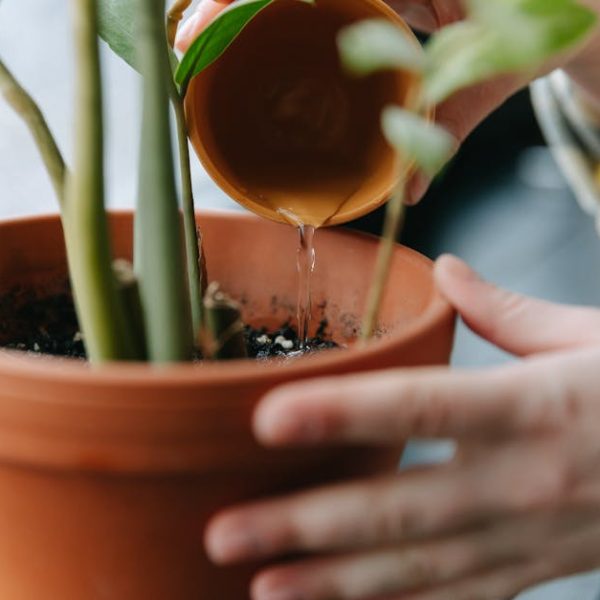

Introduction to Brightening Your Workspace with Office Plants
Plants have an undeniable presence that adds vibrancy and life to our surroundings. In our homes, they’ve become indispensable elements of decor—a window sill blooming with geraniums, a fiddle-leaf fig nestling in a hallway corner, or a trio of succulents adorning the coffee table. But have you ever considered incorporating plants into your workplace? Not merely for aesthetic purposes, but for the vast range of benefits they offer? This user-friendly guide will take you through 17 easy-to-care-for office plants that not only enhance the appeal of your workspace but also contribute to wellbeing, productivity, and air quality.
Understanding the Benefits of Office Plants
Having plants in the workspace might not be a priority for many. Yet, these green compatriots of ours bear advantages far beyond their visual charm. Scientific studies have proven the positive effects of office plants on mental wellbeing, elevating mood and reducing stress. By releasing oxygen and absorbing carbon dioxide, they further purify and humidify the air. Not to forget, they subdue noise levels and lend a sense of privacy too.
So here is a snapshot of the multiple benefits of office plants:
- Increased productivity and creativity
- Enhanced mood and reduced stress levels
- Improved air quality
- Noise reduction
- Visual privacy barriers
Choosing the right plants for your office is an equally important aspect. Do you have a sunny window, or is your desk sequestered in a corner away from any natural light? How much time can you invest in plant care? What size of the plant would suit your workspace? All these factors guide you towards the ideal foliage associate for your work horizon.
Top Five Low-Maintenance Office Plants
Plants indeed enlighten your workspace but managing them mustn’t overburden you. Hence, we commence our flora journey with the top five low-maintenance office plants: Snake Plant, ZZ Plant, Pothos, Spider Plant, and Peacock Plant. Green thumbs or not, these plants offer textured foliage, purify the air, and most importantly, are super-easy to maintain.
In terms of care needs, all these plants survive under low to medium light and can withstand occasional negligence in watering. However, they differ in appearance and growth patterns, enabling you to choose as per your taste and office aesthetics.
Bringing you some pro care tips:
– Regularly check the soil before watering and allow it to dry out between watering intervals.
– Keep your plants clean by wiping the dust from the leaves.
– Ensure they are in well-draining pots to prevent root rot.
Additional Seven Easy-to-Care Office Plants for Beginners
Embarking on your planting journey doesn’t mean you stick to the most common choices. There are several other office-friendly plants that are low-maintenance, visually appealing, and perfect for beginners. Discover African Violet, Jade Plant, Aloe Vera, Peace Lily, Fiddle Leaf Fig, Rubber Plant, and Weeping Fig that each brings its own charm to your workspace.
Caring for these plants requires an understanding of their needs. For instance, the Peace Lily thrives in low light, while the Jade Plant loves bright light and less water. A healthy mix of care and attention will ensure your plants flourish.
Keeping a maintenance checklist at hand:
– Monitor light, temperature, and moisture levels.
– Rotate your plants periodically for even growth.
– Fertilize regularly, but avoid overdoing it.
Features of Exotic Low-Maintenance Office Plants
Who said easy-to-care-for plants mustn’t be exotic? We bring to you five exotic yet low-maintenance office plants, namely Air Plants, String of Pearls, Ficus Ginseng, Calathea, and Lipstick Plant. These species are not only easy on plant care but also an alluring spectacle, adding a whole new dimension to your workspace.
Compared to common office plants, these exotic ones may require light conditions that differ from the standard. For example, Air plants enjoy bright, indirect light, while the String of Pearls can withstand direct sunlight. Their aesthetic appeal is also unusual, offering intriguing shapes and textures that add a stylish touch to any office environment.
Benefit from these pro tips when it comes to exotic species:
– Always research and understand the specific needs of the exotic plant.
– Be patient, as exotic plants may take longer to adapt to a new environment.
– Group together plants with similar light and moisture needs.
Essential Care Tips for Office Plants
The essence of maintaining a healthy fleet of office plants lies in mastering the basic care tips. Light, water, temperature, and pest control are fundamental components to understand. It’s like tuning a musical instrument; once you get your chords right, the melody will follow itself.
One common mistake that might hamper the health of your office plant is overwatering. This doesn’t simply mean providing the plant with an abundance of water, but water more frequently than required. Overwatering can lead to root rot, impairing the plant’s overall health. Similarly, under the pretext of providing sunlight, don’t expose your plants to direct, harsh rays; it might cause leaf burns.
Here are some pro tips that will help you keep your office plants in their prime:
– Be consistent. Plants like routine, so try to water and fertilize them on a schedule.
– When to re-pot? If the plant is too large for the pot or if the roots are popping out of the drainage hole, it’s time.
– Pruning helps in maintaining plant size and encourage fuller growth.
– Never forget to inspect your plants regularly for pests or disease.
Now that you’re armed with the ins and outs of managing office plants, it’s time to make your pick. Set on your exciting journey of creating your green oasis at work, and let these plants bring positive vibes, aesthetic appeal, and a much-needed tranquil escape during your hectic schedule. Happy planting!
Key Takeaway:
- Office plants can enhance productivity and creativity, improve air quality, reduce stress levels, and provide visual privacy in the workspace.
- Low-maintenance office plants like Snake Plant, ZZ Plant, Pothos, Spider Plant, and Peacock Plant are ideal for beginners. Additional options include African Violet, Jade Plant, Aloe Vera, Peace Lily, Fiddle Leaf Fig, Rubber Plant, and Weeping Fig.
- Exotic low-maintenance plants such as Air Plants, String of Pearls, Ficus Ginseng, Calathea, and Lipstick Plant can add a unique flair to your office decor.
- Essential care for office plants includes regular watering, light management, pest control, and careful monitoring of the plant’s overall health.
Embrace the wondrous world of indoor gardening in your workspace. These recommended office plants not only brighten your work environment but also bolster overall wellbeing, paving the way for enhanced productivity and tranquility. Happy planting!
FAQs
Q: What should I consider when choosing an office plant?
A: You should consider the lighting condition, availability of space, the time you can dedicate to plant care, and the plant’s maintenance requirements. It’s crucial to select a plant that suits your office’s environmental conditions and your care abilities.
Q: Are all office plants safe for pets?
A: Not all office plants are pet-safe. Some plants might be toxic if ingested by your pets. It’s advisable to research or consult with a plant expert about the pet safety of your chosen office plants.
Q: Can I keep exotic plants in my office?
A: Absolutely! There are several exotic plants, like the String of Pearls or Air plants, which are low-maintenance and can add a unique aesthetic appeal to your workspace.
Q: How often should I water my office plants?
A: Watering frequency varies from plant to plant and the environmental conditions. A general rule is to allow the soil to dry out between watering to prevent root rot. Regularly checking the soil can guide you on when to water.
Q: Can office plants survive in low light conditions?
A: Yes, there are several plants like Pothos, ZZ plant, or Peace Lily that can thrive in low light conditions, making them suitable for offices without access to ample sunlight.
Feel free to share this article with your colleagues or explore more posts on office wellness on our website.