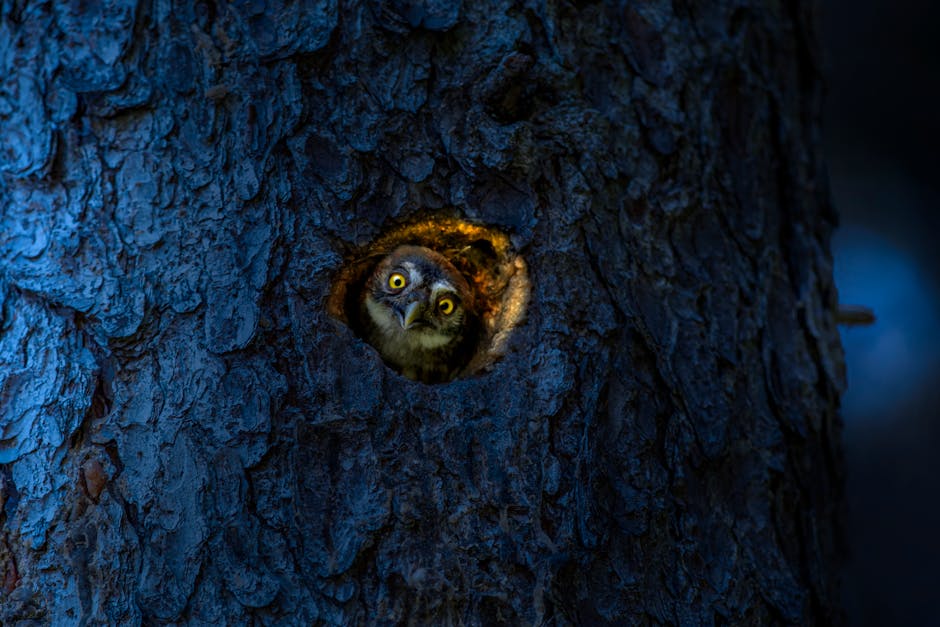
Have you ever sat in the tranquillity of your living room only to have the quiet punctuated by unusual rustling and chirping from within your walls? If so, you might have unwillingly played host to a family of winged guests. Birds tend to nest inside walls for a multitude of reasons ranging from safety from predators, finding a warm, quiet space, to creating an ideal spot for breeding.
Understanding Why Birds Nest Inside Walls
Birds choose to nest inside walls largely due to the protection these spaces offer. Within the safety of your home’s walls, predators are hard-pressed to access these nests. Additionally, they find a warm, insulated environment perfect for both laying eggs and protecting their young. Plus, with the occasional peace and quiet when there’s no human activity around, it becomes an almost idyllic setting.
• Best practices: Stay vigilant for signs of nesting around your property. Look out for debris such as sticks, feathers, or excrements near wall openings which could indicate a potential nest inside.
Identifying Signs of Birds in Your Walls
Some of the tell-tale signs of bird occupancy within your walls include incessant chirping sounds, notably during dawn or dusk, the soft shuffle of movement, and scratching noises. Keep an eye out for unusual debris near wall openings or a distinctive smell indicating a bird’s presence.
• Checklist: To ensure maximum effectiveness, keep a systematic check for unusual chirping sounds, opening near walls, accumulation of debris, and unusual odors.
• Pro tip: Don’t ignore these signs as nesting birds, albeit innocuous at first, can lead to significant property damage and hygiene-related concerns.
Practical and Humane Strategies for Bird Removal
But there’s no cause for deep concern even if you do discover a feathered family within your walls. There exist numerous practical and humane strategies to encourage them to move out such as using visual deterrents like owl decoys, installing bird spikes that prevent roosting, or engaging professional bird removal services.
• Comparison: It’s a call you need to personally make – get down to some DIY with deterrents and bird removing equipment, or hire professionals who come with adequate experience and expertise.
• Best practices: It’s crucial to approach this keeping mind both the local wildlife protection laws and the welfare of the birds. Attempting removal during nesting could inadvertently harm the eggs or young birds, so ensure you check the nest before proceeding.
Prevention Tips to Keep Birds from Nesting in Your Walls Again
Once you’ve successfully managed to evict your avian inhabitants, it’s essential to ensure they don’t decide to return. Regular maintenance checks of your property, ensuring all potential entrance points such as holes or gaps are sealed, removing potential food sources and creating inviting outdoor spaces for nesting could dissuade them from choosing your walls again.
• Pro tip: Pay close attention to your landscaping. Bushes and trees close to your house could provide an easy pathway for birds to reach your walls. Trim branches that touch your house and maintain a clear zone around your home.
• Checklist: A comprehensive bird-proofing strategy involves regular property checks, sealing wall entrances, maintaining clean surroundings without food provisions for birds, and creating outdoor bird-friendly spaces.
Environmental Balance and Legal Aspects of Bird Removal
While birds nesting inside your walls can result in property damage and potential health risks, remember that birds play a crucial role in our ecosystem. From acting as natural pest controllers to aiding in the pollination of plants, their importance holds an integral place in maintaining ecological balance.
Moreover, despite the inconvenience caused, local and international laws often protect many bird species. Not adhering to these laws while attempting bird removal could land you in legal trouble.
• Pros and Cons: The immediate relief provided by bird removal must be balanced against the long-term ecological impact. Unchecked removal could impact local bird populations and alter delicate eco-system balances, which ultimately affects us humans.
• Good to know: Always remember some bird species are protected by law, and harming or killing them can lead to severe legal penalties. So, before you attempt any removal, it’s essential to familiarize yourself with local wildlife protection laws and evict your feathered guests responsibly.
Key Takeaway:
- Birds might choose to nest inside walls due to safety, warmth, and tranquillity, creating an almost idyllic environment for breeding.
- Indicators of avian occupancy within walls include incessant chirping sounds, peculiar debris near wall openings or noticeable odors.
- Practical and humane strategies for bird removal range from use of visual deterrents and bird spikes to professional bird removal services.
- Regular maintenance checks, sealing all potential entrance points, removing food sources and creating inviting outdoor spaces can discourage birds from nesting in your home.
- Birds hold an indispensable role in our ecosystem, and many species are protected by law, making it important to balance property protection and hygiene with ecological and legal considerations.
The presence of birds in the walls of your home might seem alarming, but it’s a challenge that most homeowners successfully overcome through vigilance, best practices, and occasionally professional help. Remember, your goal is to evict, not harm, your feathered guests in a safe and humane manner while abiding by local and international wildlife protection laws.
FAQs
Q: What should I do if the bird nest inside my wall has eggs or baby birds?
A: It’s crucial to avoid disturbing nests housing eggs or young birds. Reach out to local wildlife authorities or a professional bird removal service for advice on safe and humane removal methods.
Q: Is it illegal to remove a bird nest from my property?
A: Depending on your location and the bird species, it may be illegal to disturb or remove bird nests. Before taking any action, check with your local wildlife protection laws or consult a professional.
Q: Can birds cause damage to my property?
A: Yes, birds can cause property damage over time through their nesting materials, droppings and potential parasites they might bring in. Ignoring signs of bird infestation can lead to significant repair costs in the long run.
Q: How can I make my property less attractive to birds?
A: Regular maintenance checks, sealing all entry points, and removing food sources can help to make your property less appealing. Also consider adjusting landscaping, such as trimming trees close to the house, which could provide an easy pathway for birds.
Q: Can I use bird deterrents to get rid of the birds?
A: Yes, using visual deterrents, auditory scare devices, or bird spikes can effectively discourage birds from nesting in your walls without causing them any harm.
Remember, your unwelcome winged guests might seem to be a bother right now, but with effective measures, you can eliminate this problem while being a responsible inhabitant of our ecosystem. For more helpful home and wildlife tips, feel free to explore and share this article and other resources available on our website.