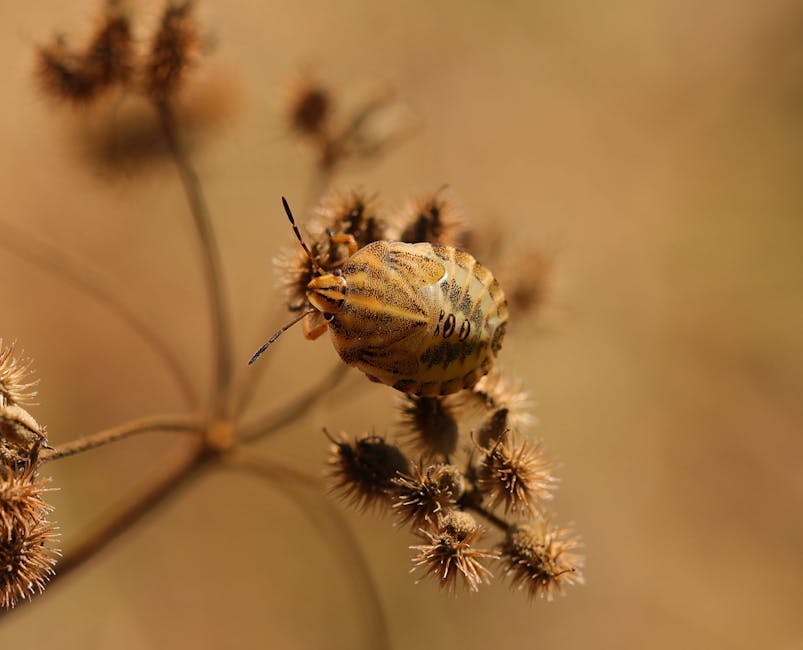
Brown Marmorated Stink Bugs are a common household pest noticed largely due to their distinctive odor when crushed. Known scientifically as Halyomorpha halys, they are commonly nicknamed stink bugs because of the foul smell they emit as a defense mechanism. When faced with danger, these bugs release a secreted chemical, spreading a distinctive odor that deters predators. Their shield-like shape, marbled brown color, and distinct smell make them noticeable. However, these creatures can cause significant nuisance when they infest homes and other structures.
These insects primarily spend the summer in gardens feeding off fruits and plants. As the weather turns cold, they seek shelter inside buildings and homes. From cracks in the foundation to spaces beneath window-mounted air conditioners, these bugs can sneak into various places. Consequently, homeowners must pay keen attention to prevent widespread infestation.
Understanding The Brown Marmorated Stink Bugs
Originally from Asia, Brown Marmorated Stink Bugs are now common worldwide, especially in North America. With a body size around half an inch and a distinct marbled brown color, these bugs are easily identifiable. While these bugs may seem harmless due to their slow, awkward movements, their presence can cause significant distress. This is mainly attributed to their pungent odor emitted when threatened or squashed.
While these bugs don’t bite or sting, they create nuisance, especially in large numbers. They invade homes in fall, hibernate during winter, and leave when the temperature rises in the spring. This annual cycle brings them indoors, thus signifying the need for proper prevention and control measures.
Common Places Where Brown Marmorated Stink Bugs Reside in Homes
- Cracks in windows and doors
- Underneath or inside upholstery
- Attics or false ceilings
- Among books and papers
Best Practices to Prevent Infestation of these bugs in homes
- Seal all cracks and gaps in windows, doors, and walls.
- Install door sweeps on exterior doors.
- Use bug screens on windows and doors.
- Regularly inspect attics and basements and clean cluttered areas.
How to Identify a Brown Marmorated Stink Bug Infestation
Brown Marmorated Stink Bugs are quite recognizable due to their unique appearance and smell. The infestation may go unnoticed in the early stages but becomes apparent when these bugs swarm on the sunny side of structures in search of heat as the weather cools. They can be found clustered on walls, underneath furniture, in attics, and other quiet, undisturbed areas. During warmer months, they may also be seen in house plants.
Checklist of Signs to Look Out For
- Noticeable stink bug smell.
- Sightings of live or dead bugs.
- Eggs on the underside of leaves.
- Damage to fruits and plants if you have a home garden.
Pro-tip
The best way to swiftly identify a potential stink bug infestation is to routinely inspect the home using the checklist items. Keeping an eye out for these signs can help early detection and prevent a full-blown infestation.
Natural Methods to Get Rid of Brown Marmorated Stink Bugs
Developing an action plan is crucial if stink bug infestation occurs. While numerous ways exist to deal with these pesky bugs, taking the green and clean approach can help preserve your home environment’s safety. Using eco-friendly and homemade solutions can be an effective deterrent for these pests.
Some Natural Ways to Deter Stink Bugs
- Deploying homemade traps using soapy water or soda bottles.
- Dusting Diatomaceous Earth around infested areas to kill the bugs.
- Using essential oils such as mint, clove, or thyme. Dilute a few drops of essential oil with water and spray it around affected areas.
List of Household Items to Create Bug Traps
- Done soda bottle
- Dish soap
- Bowl
- Desk lamp or LED light
Table: Pros and Cons of Different Methods
| Method | Pros | Cons |
|---|---|---|
| Homemade traps | Inexpensive and easy to set up | May not be as effective in severe infestations |
| Essential Oils | Natural, safe and usually pleasant-smelling | Might need to be frequently reapplied |
| Diatomaceous earth | Non-toxic and safe for pets and children | Can be messy and need replenishing after cleaning or rain |
Chemical Methods to Control Stink Bug Infestation
When facing a severe stink bug infestation, one might have to resort to powerful solutions. There are several chemical products designed to tackle this issue. Insecticides containing chemicals like permethrin, cyfluthrin, or bifenthrin can be used to kill these bugs. Always ensure to follow safety instructions and ventilation guidelines when using such products.
Popular Chemical Solutions to Eliminate Stink Bugs
- Cy-Kick CS
- Talstar Professional Insecticide
- Bifen IT Insecticide
Best Practices For Using Chemical Solutions Safely
- Always wear protective gear like gloves and a face mask while spraying.
- Properly ventilate the area after application.
- Always store chemicals out of reach of children and pets.
Hiring Pest Control Services to Handle Severe Infestations
In most cases, the methods and solutions mentioned above will suffice to handle a stink bug infestation. However, severe infestations might need the help of professional pest control services. Expert exterminators have the knowledge and tools to effectively and safely handle such situations.
Key Factors to Look For in a Pest Control Service
- Reputation and experience in the industry.
- Licensed and insured technicians.
- Guarantees on services.
- Environmentally friendly treatment options.
Best Practices to Prepare for Pest Control Service Appointments
- Prioritize and clear bug-prone zones for easy access.
- Cover or store away edible items and utensils.
- Coordinate with the exterminator for post-treatment clean-up steps.
In conclusion, dealing with Brown Marmorated Stink Bugs can indeed be a test of patience. But with the right understanding, prevention methods, and action plans, you can effectively tackle this issue and keep your home bug-free. Remember, early detection is key to preventing a full-blown stink bug infestation. Stay vigilant and act promptly!
Key Takeaway:
- Brown Marmorated Stink Bugs, invasive pests that produce a foul smell, infest homes and buildings, particularly during colder seasons.
- Preventive measures such as sealing cracks and installing bug screens can help avoid their invasion.
- Signs of infestation include an increase in the number of live or dead bugs, distinctive smell, and damage to houseplants.
- Natural methods for eradicating these bugs include homemade traps, the use of diatomaceous earth, and essential oils.
- In cases of severe infestations, chemical solutions or professional pest control services may be necessary.
In the face of a Brown Marmorated Stink Bug infestation, remember not to panic. While these pests can create discomfort, they are manageable. Always be observant, take preventive measures, and respond swiftly at the first sign of infestation. Your home can stay bug-free with the right knowledge and action plans.
FAQs
Q: What attracts Brown Marmorated Stink Bugs to my home?
A: These bugs are attracted to warmth and light, often entering homes seeking shelter from the cold during fall and winter. They may also be attracted to fruit-bearing plants.
Q: Are stink bugs harmful to humans or pets?
A: While stink bugs release a foul smell when disrupted, they do not pose any physical harm to humans or pets. They don’t bite or sting.
Q: Can stink bugs cause damage to my house or furniture?
A: Stink bugs do not cause direct damage to houses or furniture. However, they can spoil indoor plants and certain types of fabric with their excrements.
Q: How fast do stink bugs multiply?
A: Female stink bugs can lay hundreds of eggs in their lifetimes, leading to rapid multiplication if they find favorable conditions.
Q: Are there any diseases associated with stink bugs?
A: Stink bugs are not known to transmit any diseases to humans. However, their presence can cause anxiety and discomfort due to their foul smell.
We encourage you to share this article with others who may find it helpful and explore more posts on our website for additional information on a variety of subjects.