Welcome to the 2024 edition of home gastronomy! With concerns surrounding health, climate change, and food security, we’re seeing a significant trend of individuals taking control of their food source. According to the National Gardening Association (NGA), 35% of U.S. households are now growing food at home or in community gardens, an increase of 200% over the last decade. Behind this major shift in food sourcing are critical considerations such as environmental sustainability, financial frugality, and a desire for healthier, tastier produce.
As fans of homegrown food, we can’t ignore the sweeping trends that make this shift possible:
– Urban farming and balcony gardening are thriving, transforming concrete living into green patches of oasis.
– Indoor plant cultivation is no longer limited to the tech-savvy, with accessible technologies like hydroponics and smart garden systems gaining popularity.
– More households are composting, turning kitchen waste into nutrient-rich compost to enhance garden fertility while reducing landfill input.
Pro Tip: Begin with easy-to-grow culinary herbs like basil, parsley, and mint. They require minimal space and are great additions to your meals.
Why Are More People Opting for Home-Grown Food?
Growing your own food goes beyond the allure of juicy tomatoes and crisp salad greens from your backyard. The choice often comes with a myriad of benefits including health improvements, cost savings, and an overall sense of self-sufficiency. Besides, nothing compares to the satisfaction of harvesting your produce.
Before you start sowing seeds, make sure to tick off this checklist:
– Identify the space you can dedicate to your garden – be it a windowsill, balcony, or backyard.
– Understand the climate and soil conditions in your area to choose suitable plants.
– Assess your availability to maintain the garden regularly.
Despite the appealing pros of home gastronomy, it’s crucial to remember the cons involved. It requires time, energy, and patience, and the results aren’t always guaranteed. Nonetheless, the saying you reap what you sow is indeed fitting for this pursuit.
Demographics: Who Is Growing Their Own Food in 2024?
The home-grown food trend is not exclusive to a certain demographic. Across the globe, various age groups, socio-economic statuses, and regions are joining this food revolution. However, among Millennials and Gen Z, this initiative seems to be more prevalent, fueled by a desire for sustainability and a hands-on approach to health.
Regardless of your living condition, here are some tips to grow your food successfully:
– If you have minimal outdoor space, growing herbs and leafy greens in pots can be a good start.
– For urban dwellers living in high rises, consider hydroponics or grow lights for indoor gardening.
– For those blessed with larger backyards, the possibilities are endless. From rows of vegetables to fruit trees, you can experiment much more.
You will be intrigued to know that, as per recent statistics, urban dwellers are closing the gap with their rural counterparts in adopting home gastronomy. This shows the universal appeal of this practice beyond the rural-urban divide.
Practical Steps to Start Growing Your Own Food
Starting your own home garden can seem daunting but with the right guidelines, it’s possible! Here’s how you can plan your little green project:
- Start with preparing the space. Tidy up, check for the best spots that receive right sunlight and dedicate it to your future garden.
- Your plant choice matters. Opt for plants that grow well in your climate and ones you’d like to consume regularly.
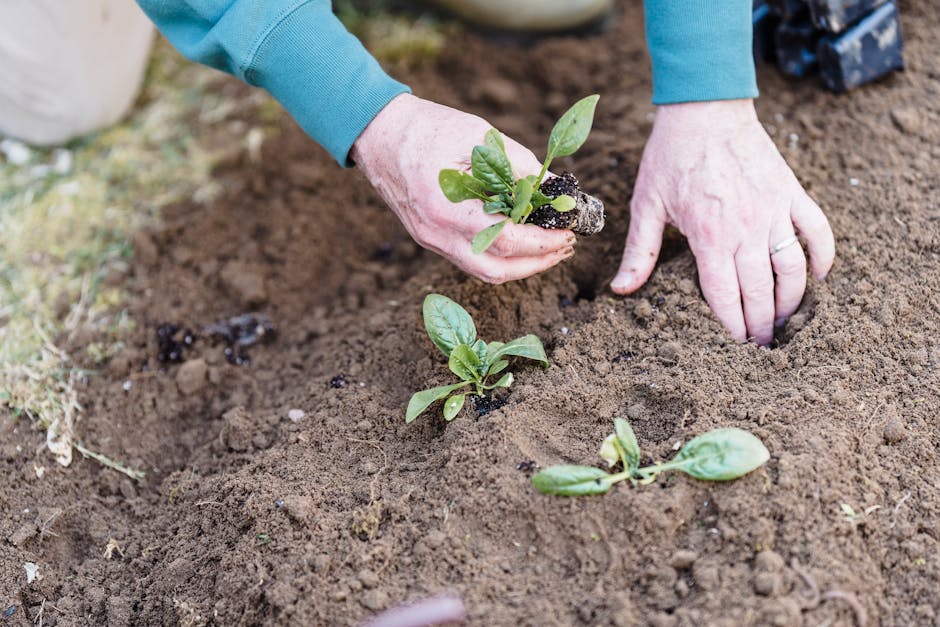
- Prepare the soil. Good, nutrient-rich soil is the base of a healthy garden. Add compost and other organic matter to boost its fertility.
- Plant the seeds or saplings and make sure you care for them regularly. Water them as needed, ensure they get the right amount of sunlight.
Best Practice: Follow seasonal rotation. Replace your plant batches with the changing seasons to keep the soil healthy and to diversify your produce.
The Future of Home-Grown Food: Projections Beyond 2024
Looking beyond 2024, it’s clear that the prominence of home-grown food is unlikely to dwindle. The continual refinement of cultivation technologies and the growing advocacy for sustainable living are likely to drive this trend further. Predictions suggest a possible upsurge in AI-powered home gardening systems, widespread urban farming, and advancement in heirloom seed preservation for diverse, nutritional crops.
The table below shows a brief comparison of current and anticipated future trends in home-grown food practices:
“`html
| Current Trends | Future Projections |
|---|---|
| Urban gardening and localised food production | Upsurge in AI-driven, space-efficient gardening systems |
| High demand for organic produce | Advancements in heirloom seed preservation |
| Sustainability through composting and recycling | Urban farming integrated into buildings and city infrastructure |
“`
Pro Tip: Even as we look ahead, the age-old wisdom of seasonal rotation and earth-friendly farming practices remain relevant. Get ahead by learning more about advanced cultivation technologies. Experiment with what works best in your current setup while always remaining conscious of the environment and long-term sustainability of your practices.
Key Takeaway:
- Increasing trend of home-grown food production in 2024 due to rising health consciousness, sustainability efforts, and financial concerns.
- Technological advancements are making home gardening and urban farming more accessible and productive.
- The benefits of home-grown produce include improved taste, nutrient richness, and reduced use of pesticides.
- There is no singular demographic adopting this trend. Instead, it spans across various age groups, socio-economic statuses, and regions.
- Moving forward, future trends include AI-powered home gardening systems, increasing urban farming, and advances in heirloom seed preservation techniques.
Turning your own piece of land into a bountiful source of food is an empowering endeavor. Through home-grown food, you are not just securing your access to fresh, healthy produce but also contributing to sustainability, becoming a part of the answer to global environmental challenges. It’s a progressive habit worth cultivating now for a healthier, greener future.
FAQs
Q: What are some starter crops recommended for beginner home gardeners?
A: For beginners, starting off with easy-to-grow herbs like basil, parsley, and mint is a great first step. These plants require minimal space and care, and they add great flavor to your meals.
Q: Is home-grown food better for the environment?
A: Absolutely. Growing your own food reduces reliance on industrially grown produce, which often involves carbon-intensive transportation. It also encourages organic methods, avoiding harmful pesticides and chemical fertilizers.
Q: I live in an apartment; can I still grow my own food?
A: Yes, you can. Numerous indoor gardening techniques, such as hydroponics or grow lights, make it possible to cultivate plants even in small or indoor spaces.
Q: How do future trends affect my current home gardening practices?
A: Future projections and advances in gardening tech can assist you in upgrading your cultivation process, making it more efficient and productive. It’s good to stay updated and adapt to new methods.
Q: What are some effective ways to maximize my crop yield in a small space?
A: Embracing vertical gardening, practicing succession planting, and choosing high-yield plants can help you get the most out of a small space.
We hope this article has been informative and inspiring. Please share it with your friends and explore more articles on our website for a better understanding of home gastronomy trends.