Your broccoli growing journey starts with understanding the life cycle of this green veggie. Much like other plants, broccoli’s life commences as a seed, gradually transitioning through various stages until it blossoms into a mature plant ready for harvesting. It’s essential to be informed about these phases to provide optimal care at each stage and maximize your broccoli harvest. Here are the crucial stages in the life cycle of broccoli:
- Germination Phase: This marks the onset of life for a broccoli seed. When planted in hospitable conditions, it starts absorbing moisture and nutrients, which triggers sprouting, a process taking around 4 to 7 days.
- Vegetation Phase: Following germination, your broccoli enters its vegetative stage, characterized by the development of leaves over approximately 4-6 weeks. It’s during this period that the broccoli will photosynthesize and grow taller.
- Flowering Phase: The broccoli plant’s trademark, its green flower heads, starts developing during the flowering stage. Timing varies based on the broccoli variety, but typically, you can expect your plants to begin flowering 8 to 10 weeks post-germination.
- Harvesting Phase: Ultimately, your broccoli is ready for picking approximately 2 to 3 weeks after the flowering stage initiates.
Choosing the Right Indoor Space for Growing Broccoli
Given that broccoli is a sun-loving plant, securing a sunny spot for your indoor garden is of paramount importance. A bright, south-facing window would be ideal as it can grant your plant 6-8 hours of sunlight daily. However, in the absence of ample natural light, supplemental light sources can come to the rescue. LED grow lights are an effective, energy-efficient way of providing your broccoli with the necessary lighting conditions. The thumb rule is easy: more light equals more growth.
Equipment and Materials Required for Indoor Broccoli Garden
Equipped with the right tools, growing broccoli indoors becomes a breeze. Here’s a checklist of what you’d need:
- Pots: Broccoli plants require roomy pots, preferably ones with a 12-inch diameter and depth. Ensure your pots have proper drainage to avoid waterlogging.
- Soil: Use well-draining, nutrient-rich soil for successful broccoli growth. A balanced potting mix augmented with organic compost works remarkably well.
- Seeds: Select high-quality broccoli seeds suitable for indoor growth. Varieties like De Cicco and Calabrese are popular choices for indoor gardeners.
Starting a Broccoli Garden: From Seed to Harvest
Embarking on your broccoli growing venture involves sowing seeds indoors and transplanting them in bigger pots once they develop sturdy roots. Remember to moisten the soil before sowing and keep the temperature between 20°C to 30°C for optimal germination. When seedlings grow 2-3 true leaves, they’re ready for transplanting.
Harvesting broccoli needs a careful hand – aim to snip off the central head at an angle, leaving the rest of the plant intact for continuing growth. Timely harvesting, just before the florets start to open, will reward you with a crisp, tasty harvest while ensuring the plant’s survival for future produce.
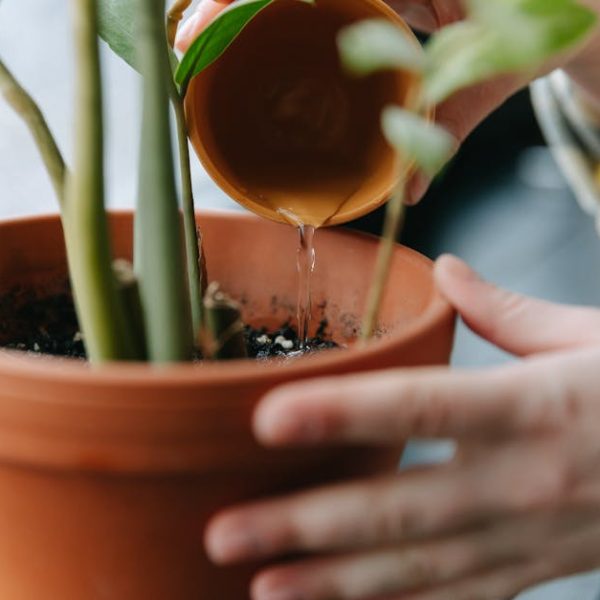
Pro tip: Regularly checking on your plants can prevent pests and diseases from gaining a strong foothold. Keep a keen eye on yellowing leaves or small insects as they’re early signs of trouble. Whenever watering, aim for moist – not drenched – soil for healthy growth.
In the following section, we’ll delve into how to maintain the health and productivity of your indoor broccoli garden effectively.
Maintaining Health and Productivity of Your Indoor Broccoli Garden
Maintaining the health of your broccoli garden involves being vigilant about the plant’s needs and conditions. For ongoing productivity, regular care routines, and timely problem-solving strategies are crucial.
Observing your plants closely can help detect early signs of distress, such as yellowing leaves, holes in the foliage, or a weak stem, allowing you to act swiftly to counter the issue.
When it comes to pest control, several methods exist that boast different degrees of effectiveness. It’s vital to consider the potential pros and cons before employing these methods – a brief comparison is presented in this table:
| Pest Control Method | Pros | Cons |
|---|---|---|
| Chemical pesticides | Highly effective in exterminating pests rapidly. | Can be harmful to the environment and beneficial insects. Often leave toxic residues on the produce. |
| Biological control (Beneficial insects/organisms) | Environmentally-friendly and do not leave toxic residues on the plant. | Can be slow to show results. Requires knowledge about specific pests and their natural enemies. |
| Home remedies (e.g., diatomaceous earth, neem oil) | Non-toxic and safe for beneficial insects. Suitable for organic gardening. | Often requires frequent application. Some remedies may not be effective against severe infestations. |
Moreover, it’s crucial to maintain the fertility of the soil over time to ensure your broccoli garden thrives. Incorporating organic compost can supplement essential nutrients, which are gradually depleted from the soil due to plant uptake. Regularly hydrating the soil, providing ample light, and maintaining moderate room temperature are all instrumental in keeping your indoor broccoli garden flourishing year-round!
In conclusion, turning your indoor space into a broccoli-growing haven is very achievable with a basic understanding of the plant’s life cycle, careful selection of appropriate growing space, necessary equipment, and regular maintenance. Now, are you all set to create and enjoy the benefits of your very own lush, green, and nutritious broccoli garden at home?
Key Takeaway:
- Understanding the life cycle of broccoli – germination, vegetation, flowering, and harvesting – is crucial for optimizing care at each stage and maximizing the harvest.
- Choosing a sunny spot for indoor broccoli gardening or using supplemental light sources like LED grow lights can aid growth.
- Essential equipment for an indoor broccoli garden includes pots with proper drainage, well-draining, nutrient-rich soil, and high-quality broccoli seeds.
- Sowing seeds indoors, transplanting them into bigger pots once sturdy roots develop, and careful harvesting ensures the continued growth of broccoli.
- Regular care routines, early problem detection and solution, pest control measures, and maintaining soil fertility are key to maintaining the health and productivity of the indoor broccoli garden.
In the journey of growing broccoli at home, knowledge is power. Every step of the way, from understanding the broccoli lifecycle to picking the right equipment, to maintaining a healthy garden impacts the bountifulness of your harvest. Rest assured, with this guide and some dedicated care, you’ll soon be enjoying fresh, home-grown broccoli right from your indoor garden.
FAQs
Q: How can I improve the soil fertility for my indoor broccoli garden?
A: Adding organic compost to the soil can replenish essential nutrients that get depleted over time due to plant uptake. Also, rotating the crops can help maintain a balance in the nutrient levels of the soil.
Q: My indoor broccoli garden doesn’t receive enough natural light, what can I do?
A: You can use supplemental light sources like LED grow lights to provide your plants with the required lighting conditions.
Q: How often should I water my indoor broccoli plant?
A: Watering requirements may vary based on your plant’s size, the soil type, and the environmental conditions. However, ensuring the soil is moist, not drenched, is a good practice for healthy broccoli growth.
Q: What are some signs of pest infestation in my broccoli plant?
A: Yellowing leaves, holes in the foliage, or visible small insects are common signs of pest infestation in broccoli plants.
Q: Can I grow different varieties of broccoli in the same pot?
A: While it may be technically possible, it’s generally not recommended. Different broccoli varieties might have slightly different growth needs and growing them in the same pot could lead to competition for resources.
Please feel free to share this article with others who might find it helpful, and explore more informative posts on our website!