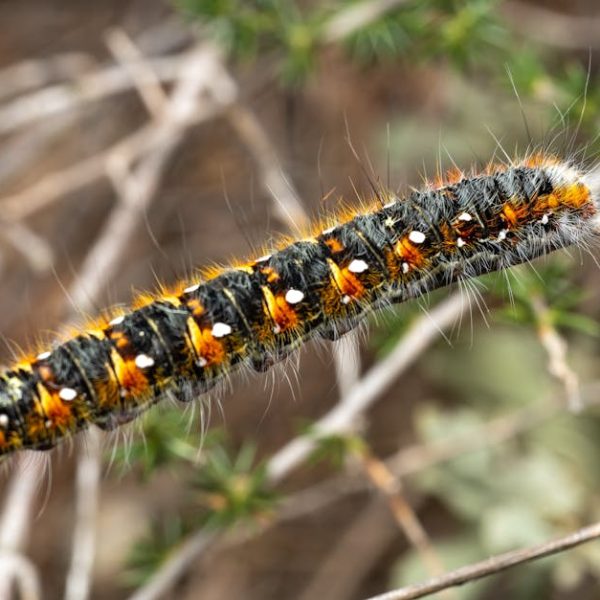
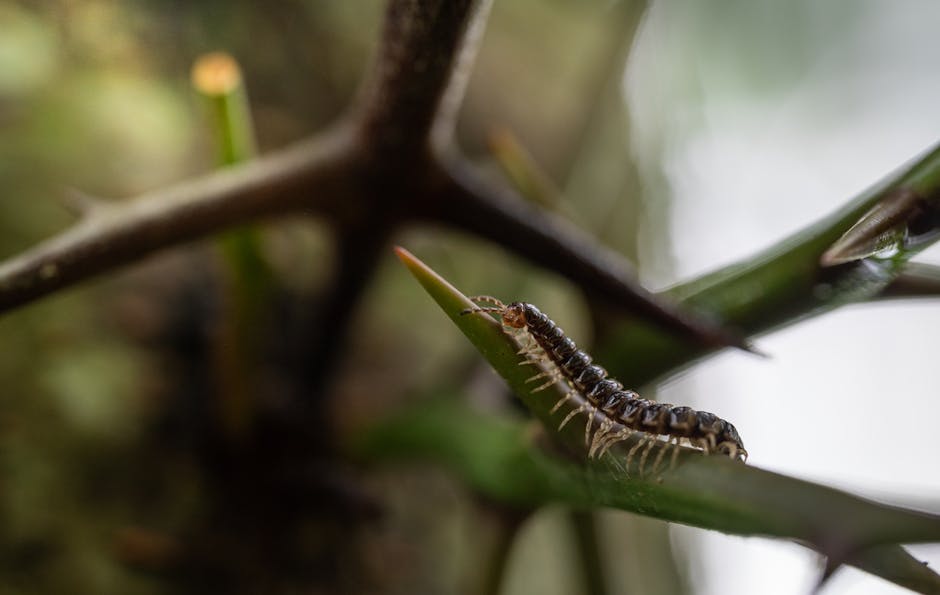
Millipedes, often mistaken for harmless outdoor insects, can morph into a troubling infestation when they invade the confines of a comfy home in large numbers. While they are beneficial for the environment and pose little threat to humans, increasing their numbers within household spaces can cause great discomfort. To address this, it’s imperative to first understand what millipedes are, how to identify their presence in your home, and the factors leading to their infestation.
Understanding the Millipede Infestation
Millipedes are arthropods known for their numerous legs and elongated, cylindrical bodies. They are generally soil-dwelling creatures that assist in the breakdown of organic matter. While their occasional presence can be an unpleasant sight, millipedes are usually non-aggressive, posing little threat to us. However, like all creatures, when their numbers become too much to ignore, it can be a real inconvenience.
A homeowner must distinguish between harmless millipede invasions and genuine infestations. An invasion is an occasional incident that happens mostly during certain seasons, such as the rainy season when millipedes move to higher ground to avoid drowning. An infestation, on the other hand, is a sustained, high-volume presence of millipedes within your home.
Having millipedes in your home isn’t all negative, in fact, they bring some pros to the table such as:
- They assist in breaking down organic matter.
- They pose little threat to humans.
Nevertheless, this doesn’t negate their cons:
- They can be an unpleasant sight in your home.
- In large numbers, they can damage potted plants and crops.
Identifying a Millipede Infestation in Your Home
Recognizing the existence of a millipede infestation in your home can be simple. An evident sign is discovering multitudes of these creatures especially in damp and humid areas of your home such as the basement or the bathroom. They primarily thrive in these conditions as they need a moist environment to survive.
It is beneficial to use a checklist to perform an effective inspection of a potential millipede invasion in your home:
- Check typically wet areas in your home
- Search for congregations of millipedes
- Look out for any plant damage
- Assess the level of infestation by counting the number of millipedes within a specific timeframe
Several Factors Leading to a Millipede Infestation
Many elements can encourage a millipede o invasion in your home. One primary cause is excess moisture in and around your home, as damp environments are a haven for millipedes. Moreover, issues with landscaping and untreated entry points can lead millipedes right into your living spaces.
But rest assured, managing these factors can keep these small intruders at bay. Here are some tips:
- Control moisture by using dehumidifiers and maintaining proper ventilation.
- Assess your landscaping and make necessary changes to reduce millipede-friendly environments.
- Seal all potential entry points to restrict their access to your home.
Effective Methods for Dealing with a Millipede Infestation
While the presence of a few millipedes can be easily managed, an infestation will often require intensive efforts. Determining the best treatment method for your situation relies heavily on the intensity of the infestation, your budget, and your commitment to safety.
For some, a do-it-yourself approach can be appealing. This could include the use of insecticides, home remedies, and manual removal. However, the effectiveness of such methods is often dependent on the correct application and can be time-consuming.
Professional pest control, on the other hand, can provide a more guaranteed solution. Skilled experts can thoroughly treat your home using proven techniques and specialized products.
Below is a comparative view of the DIY approach versus professional pest control:
| DIY Approach | Professional Pest Control | |
|---|---|---|
| Cost | Can prove economical with minimal cases | Can be expensive, but often includes guarantees |
| Effectiveness | Dependent on correct application and could be time-consuming | Typically more effective with long-lasting results |
| Safety | Could pose safety risks if improperly used | Professionals are trained in safe application methods |
Preventative Measures for a Millipede-Free Home
Remember, prevention is better than cure. Taking proactive measures can go a long way in keeping your home millipede-free. These can include routine home maintenance and landscaping techniques.
Here are some best practices you should consider:
- Ensure all potential entry points, such as windows, doors, and cracks, are sealed.
- Control moisture by fixing leaks, improving ventilation, and utilizing dehumidifiers.
- Modification of your landscape by removing potential hiding spots, such as leaves and mulch, from the vicinity of your home.
- Regular cleaning and inspections can also help detect signs of millipede presence early on.
A Final checklist of essential steps to maintain a millipede-free environment at your home:
- Regularly inspect damp areas in your house
- Seal all potential entry points
- Control moisture levels to make your home less millipede-friendly
- Regularly inspect and modify your landscape to reduce their hiding spots
- Regularly clean and check for signs of millipedes
While it’s impossible to completely eradicate millipedes from the environment, these preventative measures can help maintain a comfortable balance and keep infestations at bay. Allowing you to coexist peacefully with these harmless creatures without compromising on the comfort and aesthetics of your home.
Key Takeaway:
- Millipedes are beneficial to the environment but can turn into an inconvenience when they infest homes.
- Identifying a millipede infestation involves inspecting your home for an increased number of these creatures, particularly in damp areas.
- Excess moisture, landscaping issues, and unsealed entry points are common factors leading to a millipede infestation.
- The most effective response to an infestation varies and could target DIY or professional treatment depending on the severity and the homeowners’ budget and safety considerations.
- It’s advisable to take preventative measures like sealing entry points, controlling moisture levels, and modifying landscapes to prevent future infestations.
Maintaining a millipede-free home does not translate to exterminating these harmless creatures entirely from your environment. It just means securing your home from an uncomfortable infestation. Starting with understanding millipedes, identifying and addressing factors that could lead to an infestation, homeowners can live harmoniously with these creatures while enjoying the comfort of their homes.
FAQs
Q: How can I naturally discourage millipedes from invading my home?
A: Discouraging millipedes from indulging in your home involves keeping your home dry and less appealing to them. This can be achieved by sealing potential entry points, controlling moisture levels in your home, and cleaning up your landscape to take out potential hiding spots for them.
Q: How can I safely eliminate millipedes in my home without using chemicals?
A: Safe elimination methods include manual removal (using gloves), placing sticky traps at entry points, and encouraging their natural predators like birds and ground beetles to your yard by creating a suitable habitat for them.
Q: How quickly can a millipede infestation escalate?
A: The speed of escalation can vary depending on conditions such as the availability of food, moisture levels, and number of hiding places. If these conditions are conducive, an infestation can escalate quite quickly.
Q: If I have a millipede infestation, does it mean my home is dirty?
A: Not necessarily. Millipedes are attracted to moisture and organic material rather than dirt. Having an infestation could mean that your home provides a favourable environment for them, such as damp conditions and hiding places.
Q: How can I tell the difference between a few harmless millipedes and a serious infestation?
A: A serious infestation entails noticing a high number of millipedes constantly, especially in indoor spaces and seeing damaged plants that could have been fed on by millipedes.
Don’t hesitate to share this article if you found it helpful, and explore more related posts on our website.