Ants, despite being extraordinarily essential to our ecosystem, can become a real nuisance when they invade our living spaces. Thankfully, natural solutions can aid in eliminating these miniature intruders without causing harm to our health or the environment.
Identification of Common Ant Species and their Characteristics
Accurately identifying the ant species invading your home is the first step in effectively combating them. Common household ants exhibit distinct characteristics that differentiate one from another.
Some familiar ant species include:
- Carpenter Ants: These are typically large ants that prefer damp or damaged wood. Their feeding patterns are mostly nocturnal, feasting on both human and pet food.
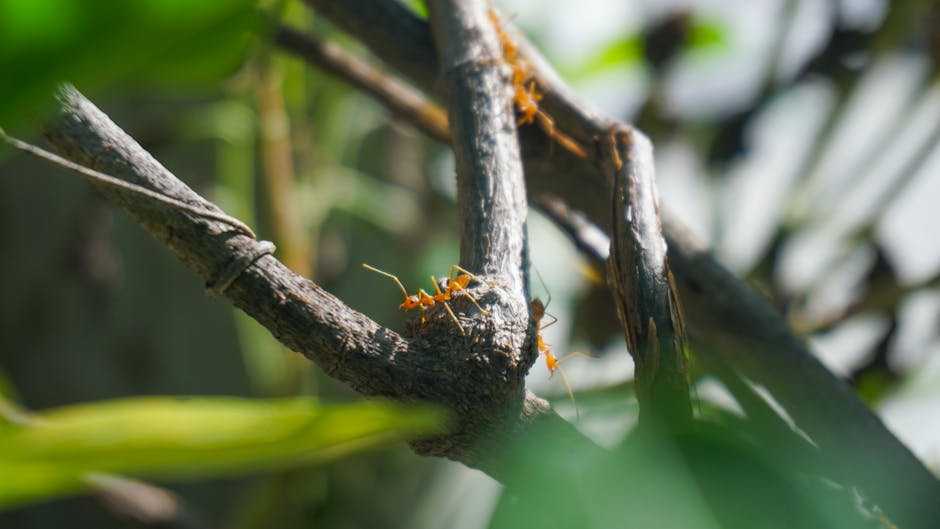
- Fire Ants: Identified by their reddish-brown color, these ants can cause painful stings and are particularly attracted to sugary and protein-based foods.
- Pharaoh Ants: Despite their small size, these yellowish ants are persistent intruders in homes, hospitals, and restaurants. They can also spread bacteria, making them a potential health risk.
An illustrated comparison of these ants can provide you with an easy guide for identification.
Checklist for Identifying Ant Species:
- Note the color and size of the ant
- Observe their feeding patterns
- Check for any aggressive behavior
- Record any damage to property, particularly wooden structures
Best Practice:
While observing ants, avoid disrupting their trail as it can make them scatter, making identification and solution more challenging.
Understanding Why Ants Invade your Home
Ant invasions usually spring up due to the availability of food sources and favorable environmental conditions. Spilled food items, particularly sweet or protein-based ones, can magnetize ants into your home. Weather conditions can also trigger an invasion; for instance, during rainy seasons, ants often seek dry areas, which our homes conveniently provide.
Contrary to popular belief, even clean houses can harbor ants if food sources are exposed. Common mistakes such as leaving food open, not cleaning spills promptly, or having a cluttered yard can inadvertently attract ants.
Pro Tips:
To avoid attracting ants:
- Remember to wipe kitchen counters and dining tables after every meal.
- Keep all food items, especially sweet or sticky ones, sealed and stored properly.
- Regularly sweep or vacuum your home to eliminate food particles.
Best Practice:
Manage your garbage effectively. Keep your trash can sealed and take out the garbage regularly to avoid creating a food source for ants.
Home Remedies to Remove Ants
Now that you know how to identify ants and understand why they might invade your home, it’s time to learn about some home remedies to eliminate these intruders. Here are some easy and cost-effective methods that pose no hazard to your health or the environment:
Cinnamon
Cinnamon has been found to deter ants due to its strong smell. You can use cinnamon powder or essential oil. Just sprinkle it or apply it on the ant pathways or wherever you spot the ants.
Vinegar
A mixture of equal parts of white vinegar and water can be an effective ant deterrent. Spray the solution on the ants and the areas they frequent.
Essential Oils
Citrus peels or essential oils, like peppermint oil, repel ants due to their strong scent. You can use them in a similar way to cinnamon or vinegar.
List of Required Components for Each Home Remedy:
- Cinnamon: Cinnamon powder or essential oil
- Vinegar: Equal parts of white vinegar and water
- Essential Oils: Citrus peels or peppermint oil
Pro Tips:
Test out different home remedies to find out which one is most effective for the type of ant in your home.
Comparison of Home Remedies:
The effectiveness of these remedies will vary significantly based on the type of ant invading your home.
Preventive Measures to Ensure Ant-Free Homes
Prevention is always the best approach when it comes to ant infestations. Here are some practical steps you can incorporate into your daily routine:
- Maintain cleanliness: Wipe off crumbs and spills immediately, store food properly, and ensure your garbage is sealed.
- Close off entry points: Seal off cracks and crevices with caulk that could serve as entry points for ants.
- Keep your yard clean: Keep it free from dead leaves and other organic debris.
Best Practice:
Perform routine checks around your home, especially the kitchen and pantry, for signs of ants.
Pro Tips:
Consider creating a repellent barrier around your house by spraying a natural ant deterrent at doors, windows, and any other possible entry points.
When to Seek Professional Help for Ant Infestations
While home remedies can be effective for minor infestations, when dealing with a large or persistent ant colony, it may be best to call a professional. Leaving an ant infestation untreated can result in property damage and even health risks.
If you notice recurring ant paths, ants in several areas of your home, or a significant number of ants – these might be signs of a severe infestation requiring professional help.
Best Practice:
When choosing a pest control company, look for licensed professionals with positive reviews and transparent pricing.
Pro Tips:
Ensure to clearly communicate your situation and needs to the pest control professionals. Goal alignment ensures the method used will be both effective and safe for your living environment.
Key Takeaway:
- Successfully managing an ant invasion begins with correctly identifying the ant species, understanding their feeding patterns and behaviors.
- Essential factors leading to an ant invasion include the availability of food sources and favorable environmental conditions. Even small food particles can attract ants.
- Home-based natural solutions like cinnamon, vinegar, and essential oils can effectively deter ants.
- Maintaining cleanliness, sealing off entry points, and regular property checks are crucial preventive measures against ant invasions.
- While DIY solutions work for minor infestations, professional help may be required for severe or persistent ant problems.
Take solace in the fact that dealing with an ant invasion is manageable and often doesn’t require harmful chemicals. Stick to the guidelines of cleanliness, preventive measures, and natural remedies for minor invasions. Remember, for heavy infestations, don’t hesitate to seek professional help to maintain a healthy living environment. Let’s work together towards an ant-free home.
FAQs
Q: Can spices other than cinnamon repel ants?
A: Yes, other spices with strong scents, like black pepper or chili powder, can also deter ants. Remember, though, that these spices can cause irritation if they come in contact with eyes or sensitive skin.
Q: How often should you apply natural remedies to see results?
A: Apply the natural remedies once you spot ants and then again every few days, or until the ants have disappeared. In case of severe infestation, professional help might be needed.
Q: Are there any adverse effects of utilizing vinegar as an ant deterrent?
A: While vinegar is an effective and safe ant deterrent, the strong smell can be overwhelming to some. Furthermore, unsealed vinegar can damage certain surfaces, like stone countertops or hardwood floors, so use it carefully.
Q: Can I use any essential oil as an ant repellent?
A: Certain essential oils, like peppermint, tea tree, and citrus oils, are effective ant deterrents due to their strong scent. However, not all essential oils will have the same effect.
Q: What’s the best way to seal off ant entrance points?
A: You can use caulk to seal any cracks, crevices, or holes that ants might use as entry points. It is nontoxic and can be painted over once dried. Make sure to check around windows, doors, and other potential access areas regularly.
Remember to share this article if you find it helpful and explore more posts on our website to learn about natural solutions for your daily life problems.