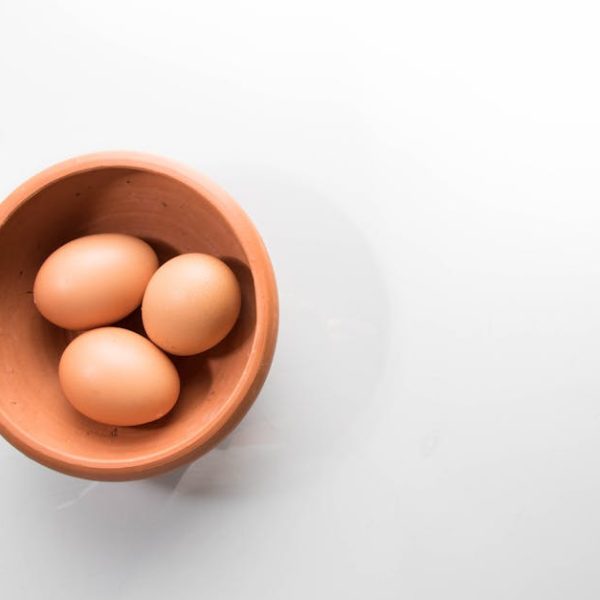
Fulfilling the nutritional needs of your beloved strawberry plants does not have to be an expensive or synthetic endeavor. By harnessing the power of nature—and your breakfast leftovers—you can proactively boost the health and productivity of your berries. The secret lies within chicken eggs. The shells, to be more specific. Rich in beneficial nutrients, especially calcium, eggshells naturally satisfy strawberries’ demand for nourishment.
Understanding the Nutritional Needs of Strawberries
Strawberries thrive with the right balance of specific nutrients. A trio headlining this nutritional band is nitrogen, phosphorous, and potassium. However, strawberries have a particular liking for calcium. Let’s delve into why vital life resides in these four nutrients and why eggshells qualify as the plants’ dietary superhero:
- Nitrogen: This powerhouse element leads to vigorous foliage growth. Think of it as the personal trainer for your strawberries, fostering vigorous plant bodies.
- Phosphorous: Consider this the life coach of nutrients, advocating for successful rooting, flowering, and fruiting. Phosphorous ensures plentiful and healthy strawberry yields.
- Potassium: This nutrient is a bit like the strawberries’ bodyguard. It boosts their capability to resist diseases and enriches the quality of the fruit.
- Calcium: The unsung hero. It plays a significant role in strengthening the cellular structure of the strawberries, making them hardy and robust.
Why Eggshells Make Great Fertilizer for Strawberries
So, why do eggshells emerge as the hero when it comes to strawberry fertilizers? The answer lies in their valuable attributes. Not only do eggshells contain high amounts of calcium, but they also slowly release this nutrient into the soil—giving your strawberry plants the consistent nutrient supply they crave. Additionally, they have the potential to correct soil pH, leaning towards a more neutral balance. However, like any superhero, eggshells come with their own sets of strengths and weaknesses:
- Pros: Eggshells are environmentally friendly, reduce soil acidity, and are a powerhouse of calcium and other critical minerals. They are a gift that keeps on giving, thanks to their slow-release nature.
- Cons: They require preparation before application and offer a slower nutrient release compared to readily available synthetic fertilizers.
Preparing Eggshells as a Natural Fertilizer
Though eggshells demand a bit more effort in preparation, the pay-off is immense in the long term. First, rinse and clean the eggshells, ensuring any remaining egg residue is removed. The shells must then be dried adequately—feel free to air dry or speed up the process in a low-heat oven. Once dry, grind the eggshells into a powdery texture for the perfect, easily absorbable mix for your strawberries.
Applying Eggshell Fertilizer to Strawberry Plants
The correct application of your prepared eggshell concoction is crucial to maximize its benefits. Begin the application early in the spring when the strawberry plants are kick-starting their growth. Distribute the powder evenly around the base of the plants, ensuring it doesn’t directly touch the leaves. Consistent applications throughout the growing season will drive the best results for a healthy, bountiful harvest.
Maintaining Strawberry Plants Fertilized with Eggshells
Even with the perfect fertilizer, maintaining the health of your strawberry plants requires diligent care. Regular watering and ample sunlight (at least six hours each day) are vital. Additionally, carry out periodic soil testing to ensure the nutrient levels stay optimal. Further, considering the slow-release nature of eggshells, you can add other organic compost for faster-acting nutrients whenever necessary. With these factors under your vigilant eye and eggshells at the root, your strawberry plants will indeed bear nutritionally rich and vibrant fruits.
Understanding the Nutritional Needs of Strawberries
Just like you need a balanced diet to stay healthy, your strawberry plants also need specific nutrients to grow strong and lush. This includes Nitrogen, Phosphorous, Potassium, and most importantly, Calcium. Let’s dive into each nutrient to understand their importance:
- Nitrogen: Imagine Nitrogen as a superhero, building the muscles of your plant. It fuels the growth of leaves and stems, resulting in robust plants ready to produce an abundance of strawberries.
- Phosphorous: Considered as the ‘root’ of success, Phosphorous is essential for the development of strong, healthy roots. Further, it aids in blooming and fruiting, vital for a bumper strawberry harvest.
- Potassium: This nutrient acts as the ‘shield,’ enhancing the strawberry plant’s resistance against diseases. It also improves the quality of the fruits, making your strawberries tastier.
- Calcium: A star player often overlooked, Calcium fortifies the cellular structure of the plant, keeping it sturdy. This is where eggshells flex their power. Packed with Calcium, eggshells are the secret ingredient for strong, healthy strawberries.
Why Eggshells Make Great Fertilizer for Strawberries
Your breakfast leftovers have a hidden secret—eggshells make a fantastic fertilizer! They are loaded with Calcium, an essential nutrient for strawberries. But the goodness doesn’t stop there. Eggshells have a slow-release nature, consistently supplying nutrients to your strawberries over time. Moreover, they can rectify the pH level of your soil towards neutrality. Let’s weigh the pros and cons of eggshells:
- Pros: Eggshells are teeming with calcium and other minerals vital for plant growth. They have a slow-release nature, continually offering nutrients to your green friends. Plus, they help lower soil acidity and are eco-friendly, helping you contribute towards a healthier Earth.
- Cons: The downside to eggshells is the need for preparation before use. Plus, because of their slow-release characteristic, they may not offer immediate results like synthetic fertilizers.
Preparing Eggshells as a Natural Fertilizer
To make fertilizer from eggshells, first, you will need to clean them thoroughly to remove any residual egg. Once they’re clean, let them air-dry or pop them in an oven set to low heat. When they are completely dry, grind them into a fine powder. Your eggshell fertilizer is ready!
Applying Eggshell Fertilizer to Strawberry Plants
Now that your secret weapon is ready, it’s time to put it to action! Begin application early in spring when the plants show signs of growth. Sprinkle the eggshell powder evenly around the base of the plant, taking care not to contact the leaves directly. For a bounty of strawberries, continue this application throughout the growing season.
Maintaining Strawberry Plants Fertilized with Eggshells
The secret to thriving strawberry plants doesn’t stop at fertilizing—it’s a constant cycle of care. Keep your plants well-hydrated with regular watering and ensure they receive ample sunlight, ideally a minimum of six hours daily. Continually monitor the nutrient levels in your soil with periodic soil tests. And don’t forget, you can always complement the eggshell nutrients with other organic compost for added benefits. With this rigorous attention and eggshell boost, your strawberries will be the star of your garden in no time. Enjoy the sweet rewards of your hard work!
Key Takeaway:
- Strawberries necessitate specific nutrients for optimal growth, with calcium being especially critical. Eggshells, rich in this nutrient, serve as an effective, natural fertilizer for these fruits.
- Eggshells also aid in soil acidity reduction and have a slow nutrient-release nature.
- Preparing eggshells involves cleaning, drying, and grinding the shells into a fine powder.
- Proper application involves evenly distributing the eggshell powder around the base of the strawberry plants, avoiding direct contact with the leaves. Regular and consistent application throughout the growth season yields best results.
- Caring for strawberry plants fertilized with eggshells necessitates regular watering, ample sunlight, and periodic soil testing.
Fertilizing strawberries naturally with eggshells promotes avocado growth, contributing to a healthy and sustainable environment. Keep your strawberries nourished and strong by diligently following these guidelines. Though eggshells may require a bit more effort, the reward of vibrant and bountiful strawberry harvests makes it all worthwhile.
FAQs
Q: How often should I apply eggshell fertilizer to my strawberry plants?
A: Consistent application is key to favorable results. Start applying the fertilizer early in spring and continue throughout the growing season for best results.
Q: Can I use eggshell fertilizer on other plants or fruit?
A: Yes, eggshell fertilizer is not exclusive to strawberries. Other plants that enjoy calcium-rich soil can benefit as well, though you might want to check each plant’s specific needs.
Q: How do I store prepared eggshell fertilizer?
A: Ensure it’s stored in a dry and cool place, away from direct sunlight to preserve its nutrient content. You can use an airtight container for this purpose.
Q: Can eggshell fertilizer replace the need for other types of fertilizer?
A: While eggshells are rich in calcium, plants need other nutrients as well. It’s wise to incorporate other forms of organic compost or fertilizers to meet these needs.
Q: Can I apply eggshells directly to the soil without grinding them into a powder?
A: While you can do this, grinding the eggshells allows for more efficient absorption of the nutrients by the plants. Whole eggshells tend to decompose much slower.
Don’t forget to share this article with your gardening friends—they too deserve the joy of a thriving strawberry harvest. For more gardening tips and insights, delve into other articles on our site.