
Enigmatic yet powerfully simple, neem oil is nature’s answer to the pressing problems of pest and disease control in fruit trees — the organic, non-toxic path to a fruitful harvest. The source of this potent entity is the humble neem tree, Kydney Americana, colloquially known as the Divine Tree in its native India due to its plethora of medicinal and agricultural uses. The oil extracted from its seeds packs a powerful punch against troublesome pests and difficult diseases, making it an acclaimed asset in organic farming.
Neem oil contains a multitude of active components, each playing a crucial role in pest and disease control. Azadirachtin, the main active ingredient, deters pests by interfering with their hormone systems, rendering them uмable to eat, mate, or lay eggs. Other components include Nimbin, Nimbidin, and Nimbolides, all working in unison to drive away pests and prevent diseases.
| Main Active Components of Neem Oil |
|---|
| Azadirachtin |
| Nimbin |
| Nimbidin |
| Nimbolides |
To ensure the efficacy and longevity of neem oil, remember to store it in a cool, dark place and tightly sealed to maintain its potency and effectiveness.
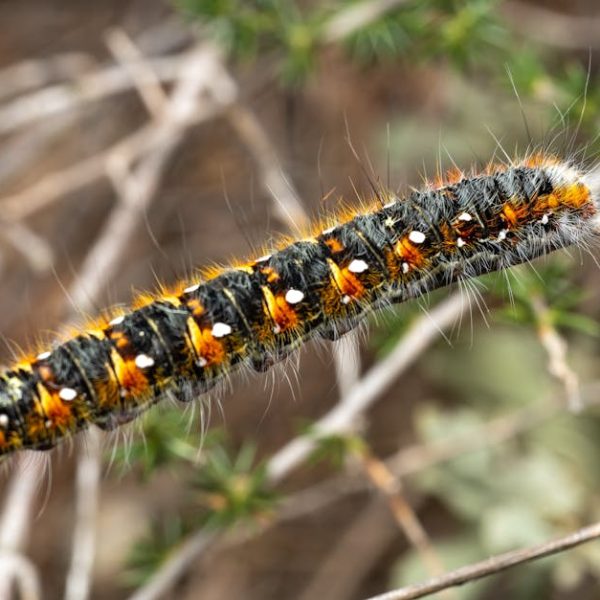
The power of neem oil extends beyond pest repellent, decimating pests by disrupting their life cycle. It prevents the young from maturing and sends adults into a feeding frenzy, curbing their breeding prowess. What sets neem oil apart is its specificity. While brutally effective against pests, it is harmless to beneficial insects like bees and ladybugs that are vital for pollination and controlling other nuisances.
To maximize the impact of neem oil, apply it once every two weeks when pest activity is high, and be sure to focus on the early morning or late afternoon to avoid sunburn on your plants. It is essential to exercise a balanced approach when using neem oil; too much or too little can either damage your plants or prove ineffective against pests.
| Pros | Cons |
|---|---|
| Effective pest control | Can cause leaf burn in excessive use |
| Harmless to beneficial insects | Requires regular application |
Striking a balance between potency and safety, neem oil battles not only existing diseases but also prevents potential ones. Common afflictions like molds, rots, and fungal infections cower before the might of this natural remedy. By disrupting the cell walls of fungi, it halts the spread of disease‒prolonging the life of your precious fruit trees.
The use of neem oil is not limited to tackling diseases internally; it also creates an inhospitable environment for pests and disease to thrive, adding a powerful layer of protection for your fruit trees. Comparatively, its organic nature and non-toxic properties make it a preferred choice over chemical alternatives offering similar results. To ensure you effectively harness the power of this natural remedy, here are some actionable steps on how to use neem oil for disease control:
- Identify the type of disease your trees are affected with.
- If you determine that your fruit trees are affected by a disease that neem oil can cure, prepare a neem oil solution.
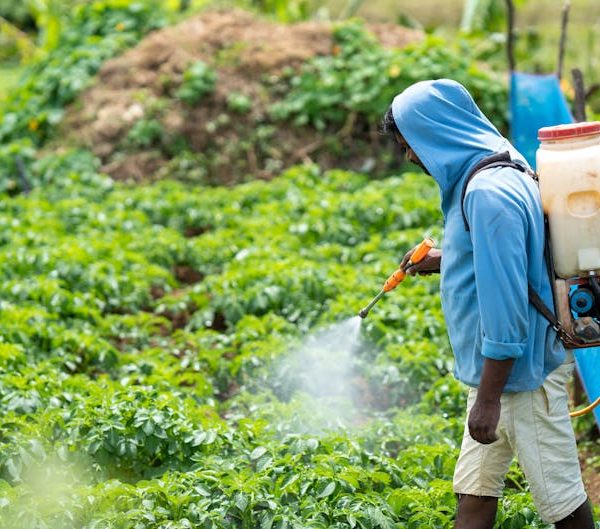
- Spray your trees with the solution, ensuring you cover the entire tree, including the underside of leaves.
- Keep a close eye on your trees to track progress and determine if additional treatment is needed.
| Neem Oil | Chemical Alternatives |
|---|---|
| Natural and non-toxic | Potentially harmful chemicals |
| Can be used preventatively | Often used once disease is present |
| Safe for beneficial insects | Potentially harmful to beneficial insects |
Creating a neem oil solution is simple. Mix neem oil and a mild, organic liquid soap in water. The soap helps disperse the oil in water and increases its effectiveness. The ideal time for application is either early morning or late in the evening, as sunlight can cause the neem oil to burn the leaves. After applying, be sure to monitor closely, as proper observation is the key to effective treatment.
Remember: Effective application requires careful handling. Wear protective gloves when preparing and applying the solution, and store unused solution in a cool, dark place.
Like all methods, using neem oil carries considerations that warrant careful thought. The possible adverse effect such as leaf tip burn should remind users to use it in moderation. Neem oil should be properly diluted before application to prevent harming the trees. Moreover, avoid using it during the flowering stage of a fruit tree or during extreme high temperatures as it can deter pollinators or cause leaf burn respectively.
Always conduct a test spray on a small part of the tree initially and observe for any adverse reactions. This will give you an insight into how your fruit tree reacts to the treatment without risking the whole tree.
| Pros | Cons |
|---|---|
| Powerful against a variety of pests and diseases | Improper use can lead to leaf burn |
| Safe for use around humans and beneficial insects | Not advisable for use during flowering or extreme temperatures |
In conclusion, the benefits of neem oil for pest and disease control in fruit trees are numerous. As long as precautions are taken and proper procedures are followed, neem oil can be an excellent tool for maintaining the health and productivity of your fruit trees. Happy gardening!
Key Takeaway:
- Neem oil is a potent and non-toxic solution for pest and disease control in fruit trees.
- Azadirachtin, the main active component, along with other compounds disrupt the lives of pests, but remain harmless to beneficial insects.
- Beyond pest control, neem oil effectively combats common tree diseases like mold, rot, and fungal infections.
- Properly stored, diluted and applied neem oil can maximize its utility and minimize potential damage to your trees.
- A test spray on a small part of the tree can provide insights into its reaction to the oil.
While the use of neem oil requires careful handling, the benefits it delivers for pest and disease control in fruit trees are significant. Embrace this organic, non-toxic solution and witness a fruitful harvest in the safest way possible. Keep exploring, keep growing, and happy gardening!
FAQs
Q: Can I use neem oil on any type of fruit tree?
A: Yes, typically neem oil can be used on any type of fruit tree. However, it’s always good to spot test a small area first to ensure there’s no adverse reaction.
Q: Are there any alternatives to neem oil for pest control?
A: Alternative measures for pest control can include other organic pesticides, botanical insecticides, or integrated pest management strategies. Always choose an option that best fits the needs of your garden.
Q: How often should I reapply neem oil?
A: The frequency of reapplication can depend on the severity of the pest issue. A general guideline is to apply it once every two weeks when pest activity is high.
Q: Can I use neem oil on my fruit trees during any season?
A: Neem oil is generally safe to use during most times of the year, but it’s best to avoid using it during the flowering stage or during extreme high temperatures to protect the trees and beneficial insects.
Q: Can I apply neem oil directly without diluting it?
A: No, neem oil should be properly diluted before applying to prevent potential harm to your trees. An ideal mixture typically involves adding a small amount of mild, organic soap to the neem oil and water mixture.
Stay connected with us for more gardening tips, and feel free to share this useful piece on neem oil’s benefits within your networks.