Choosing Your Pumpkin Variety
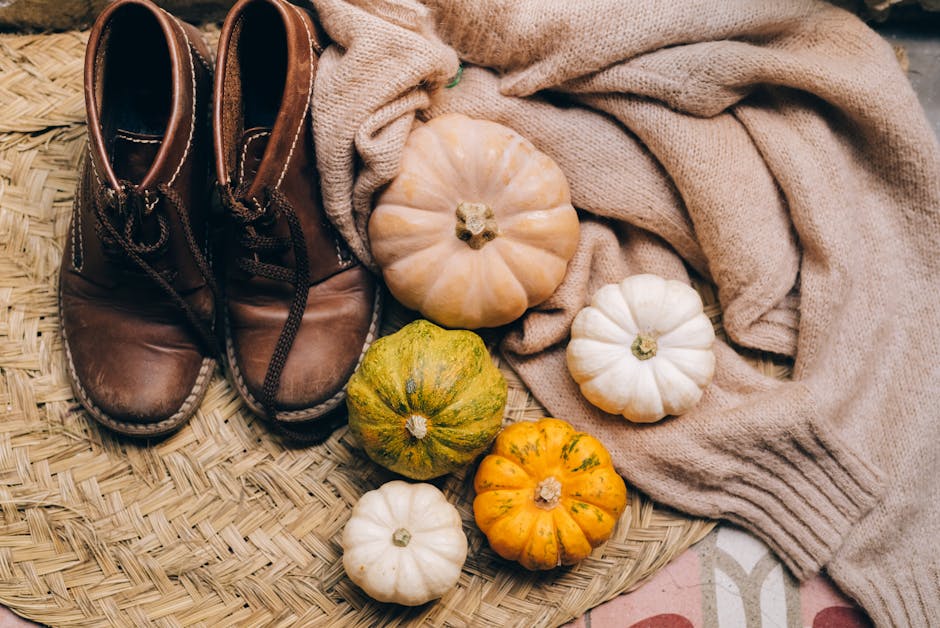
Let’s begin by choosing the right pumpkin variety to grow. Garden pumpkins come in a multitude of types, varying in size, color, flavor, and maturity time. You can opt to grow smaller sugar pumpkins or large carving pumpkins, multi-purpose pie pumpkins, or unique heirloom varieties. Remember, each type has its own specific growth conditions and time to maturity. For instance:
- ‘Sugar Treat’ pumpkins, perfect for pies, mature in about 90 days.
- Carving varieties like ‘Howden’ usually require around 115 days.
- The giant ‘Atlantic Giant’ variety can take nearly 120 to 140 days.
Pro Tip: The best time to plant your pumpkins will depend on your chosen variety. Count backward from your area’s first predicted fall frost date to ensure your pumpkins have adequate time to mature.
Preparing the Ideal Pumpkin Patch
A thriving pumpkin garden begins with adequate ground preparation. Pumpkins are sun-loving, demanding plants with specific soil requirements. To establish an ideal pumpkin patch:
- Choose a well-drained, sunny location.
- The ground should have a slightly acidic to neutral pH range.
- Enrich the soil with organic matter, such as compost or aged manure.
Checklist for Preparing Pumpkin Patch:
- Full Sun Exposure ☑️
- Well-drained Soil ☑️
- Soil pH between 6.0 and 7.5 ☑️
- Enriched with Organic Matter ☑️
Pro Tip: Start enriching your soil several weeks before planting. Pumpkins thrive on nutrient-rich soil, and aged manure, homemade compost, or green manure can be excellent choices to naturally boost your ground’s fertility.
Planting Pumpkins for Success
When it comes to planting pumpkin seeds, the process may differ based on where you live and the specific pumpkin variety. But in general, pumpkins can be planted in mounds or rows, with two to five seeds per hole. They require a substantial amount of space to grow and spread out; thus, ensure to space your seeds appropriately.
- Planting in Rows: Suitable for larger gardens, plant pumpkin seeds about 8 to 12 feet apart in rows that are 10 to 15 feet apart.
- Planting in Mounds: Creates a hill with a flat top, plant around 5 seeds, and keep the hills about 4 to 8 feet apart.
Best Practices for Planting and Caring Pumpkin Plants:
- Water the plants regularly but avoid overwatering, which can lead to mold growth.
- Use mulch to retain soil moisture and control weeds.
- Keep an eye on pests/diseases and take immediate action.
Comparison: ‘Growing in Rows’ versus ‘Growing in Mounds’
| Method | Pros | Cons |
|---|---|---|
| Growing in Rows | Ideal for large spaces, Easier to manage and harvest, Less water-logging risk | Requires more space, High soil erosion risk |
| Growing in Mounds | Better drainage, Flexible planting layout, Controls vine spread | Less efficient for large plantings, More labor-intensive, Increased risk of root exposure |
In the next section, we will discuss harvesting pumpkins and how to determine the perfect picking time.
Pumpkin Harvest Time
Harvesting pumpkins at the right time is crucial to ensure their best quality. Typically, pumpkins are ready to be harvested when the skin has reached its destined color and becomes hard. The vines will also start to dry out and turn brown. However, don’t let them exposed to frost because it can cause damage to the fruits.
Checklist for Pumpkin Harvesting Signs:
- Pumpkin skin is hard to touch ☑️
- Has reached the appropriate size for its variety ☑️
- Stem starts to dry out and turn brown ☑️
- Pumpkin has achieved its destined color ☑️
Pro Tip: After harvesting your pumpkins, be sure to leave about 3 to 4 inches of the stem attached. This will help extend their shelf life and make them more suitable for carving or decorating!
Common Pumpkin Growing Misconceptions and Mistakes
Pumpkin growing often attracts several misconceptions and mistakes, especially for beginners. For instance, many people believe that pumpkins need excessive water or they consider every yellow flower will produce a pumpkin. Let’s clear some common misunderstandings and mistakes:
- Overwatering: Though pumpkins require a good amount of water, excessive watering can deteriorate their health leading to diseases such as rot or mildew.
- Yellow Blossoms but No Pumpkins: Male flowers bloom first in pumpkins and don’t produce fruits. Soon female flowers will arrive, which do yield pumpkins.
- Misjudging the Space: Underestimating the room pumpkins vines need to run is a common mistake. Always provide an adequate space based on the variety you are planting.
Best Practice Tips:
- Regular, deep, and even watering is preferred over overwatering.
- Understand the difference between male and female flowers and be patient.
- Follow the spacing guidelines for your particular pumpkin variety.
Growing your own pumpkins can be a highly rewarding experience. By following these steps, tips, and best practices, you can prepare, plant, care for, and harvest premium quality pumpkins. Happy Gardening!
Key Takeaway:
- Pumpkin planting heavily depends on the type of pumpkin, local climate and the specific growth requirements of the selected variety.
- Preparing the ground involves choice of location, soil enrichment, and proper spacing conditions for optimal growth.
- Ideal pumpkin plant care involves appropriate watering, pest control, planting arrangement, and numbered seeds per hole.
- There are specific indications for the right time and method of harvesting pumpkins.
- Common errors in pumpkin cultivation involve misconceptions about watering, flower productivity, and underestimated space requirements.
End your pumpkin growing journey on a high note by avoiding the common mistakes and following the given best practices diligently. Remember, understanding the needs of the pumpkin variety you choose and providing an optimal growing environment are key to a successful harvest. Patience and care will reward you with a premium harvest of these delightful fall favorites.
FAQs
Q: What’s the optimal pH range for planting pumpkins?
A: The ideal pH range for pumpkin planting is slightly acidic to neutral, generally between 6.0 and 7.5.
Q: How can I extend the shelf life of my harvested pumpkins?
A: Leaving about 3 to 4 inches of the stem attached after harvesting can help extend the shelf life of your pumpkins.
Q: Are all yellow flowers on the pumpkin plant productive?
A: No, only female flowers on the pumpkin plant produce fruit. Typically, male flowers bloom first and do not yield pumpkins.
Q: What is the risk of overwatering pumpkin plants?
A: Overwatering can lead to diseases such as rot or mildew in pumpkin plants. It’s suggested to provide regular, deep, and even watering.
Q: Which planting arrangement – mounds or rows – is best for growing pumpkins?
A: The choice between planting in mounds or rows depends on your available space and specific needs. Mounds offer better drainage and control vine spread, whereas rows are more efficient for larger gardens.
Feel free to share this article widely among your community and explore more useful gardening posts on our website. Happy pumpkin growing!