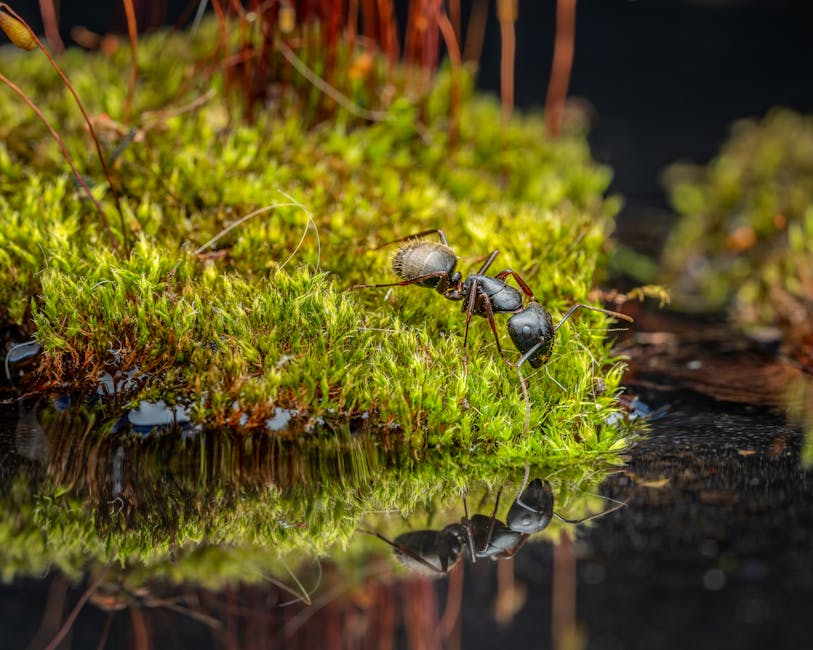
Are you seeking an effective solution to rid your home of ant infestations that won’t compromise your furry friends’ safety? Look no further! This guide pinpoints the need for pet-safe ant killers and introduces a slew of natural alternatives, greatly reducing potential harm to your beloved pets.
Importance of Choosing Pet-Safe Ant Killers
Toxic ingestion is a common predicament within domestic animals, and household ant killers lurk among the leading causes. Traditional ant killers contain hazardous chemicals causing numerous health repercussions for your pets, ranging from mild skin irritation and gastrointestinal distress to life-threatening neurological damage. Substances like hydramethylnon, fipronil, imidacloprid, and indoxacarb commonly feature in these insecticides, ranking them unsuitable around pets.
Steering towards pet-safe natural ant killers can ensure the safety of your pets while keeping your home ant-free. Let’s explore the spectrum of natural alternatives you have at your disposal.
The Different Types of Natural Ant Killers
When it comes to pet-safe ant remedies, nature gifts us with an array of effective agents to consider. Topping this list are diatomaceous earth, vinegar, and peppermint oil—a trinity known for its efficacy in fending off ant invasions.
Diatomaceous earth is a naturally occurring sedimentary rock crumbled into a fine white powder. Harboring sharp edges, it punctures the ant’s exoskeleton, dehydrating and killing them. Conversely, vinegar disrupts ant trails, disorienting their colonies, while peppermint oil’s strong scent proves unappealing to ants.
There are plenty more to dig into, but let’s now explore how these natural killers tie into our daily living spaces.
How to Use Natural Pet-Safe Ant Killers
Incorporating natural ant killers requires a bit more than a swift sprinkle or spray. First, trace the ants to their origin, identifying their key entrances. Apply your substance of choice, ensuring it spans across their entire trail. Remember to reapply regularly for maintained effectiveness.
Notwithstanding the safety of these remedies, precaution is paramount to ensure the absolute safety of your children and pets. Keep them away during the application process and, if using diatomaceous earth, allow any dust to settle before reintroducing them.
Checklist:
- Trace ant trails to source.
- Apply natural ant killer across the entire trail.
- Keep pets and children away during application.
- Regularly reapply for sustained efficiency.
- For diatomaceous earth, allow the dust to settle before readmitting your pets.
With the right usage, these natural ant killers safeguard your pets while maintaining an ant-free environment—a win-win scenario for any pet owner!
Maintaining an Ant-Free Environment
Keeping an environment that’s unfavorable to ants essentially reduces your need for ant killers. Maintain cleanliness throughout your home, ensuring food remnants are promptly cleared and your food storage containers are sealed correctly.
Additionally, you can use natural repellants such as citrus peel, cinnamon, or certain plants like spearmint and tansy. Along with their pleasant aromas, they have ant-repelling properties, keeping your home ant-free naturally!
Pro Tips:
- Regularly clean up food spills and crumbs.
- Seal all food containers and storage spaces effectively.
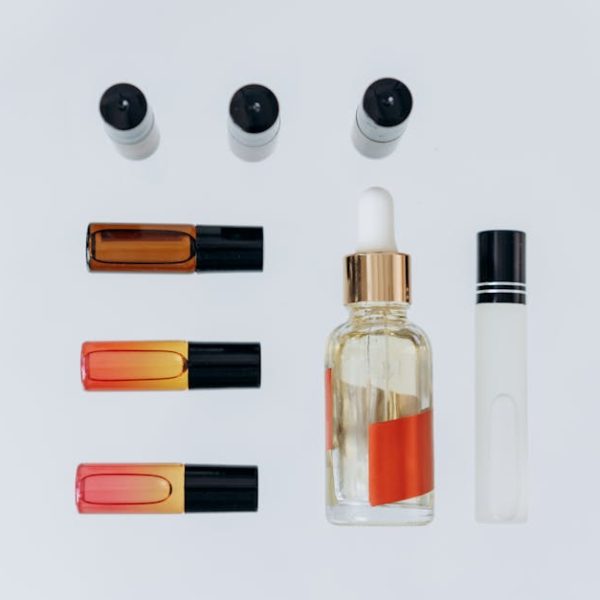
- Consider natural ant repellants like citrus peel, herbs, or essential oils.
Remember, consistent upkeep of your household space is crucial in deterring ant invasions.
Getting Professional Help When Needed
While natural ant killers and prevention methods excel in managing minor to moderate infestations, summoning professional pest controllers might be necessary for more severe cases. These professionals are equipped with advanced techniques and tools to handle large-scale infestations efficiently, without endangering your pets.
When choosing a pest control company, ensure their methods and substances comply with pet-safe regulations. Openly discuss your requirements and concerns regarding pet safety. Ask about their previous pet-related experiences, and ensure their pest management plans align with your home’s needs.
In addition to ant control, these professionals could provide additional services like rodent management, termite control, and insect exclusion. Their expert advice and treatments might be an ace card to hold in managing house nuisances.
Being vigilant of our homes’ ant situation and taking timely action can guarantee the safety of our pets while ensuring an ant-free living environment. Armed with the knowledge of natural pet-safe killers and the understanding of when to seek professional intervention, let’s move towards happier, healthier homes for ourselves and our furry friends!
Key Takeaway:
- Traditional ant killers pose a health threat to pets due to toxic substances they contain, necessitating the turn towards pet-safe natural alternatives.
- Natural ant killers, such as diatomaceous earth, vinegar, and peppermint oil, can be equally effective and are substantially safer for pets.
- Proper application of these substances is critical. Locating ant trails and consistent reapplication are instrumental in their effectiveness.
- Maintaining a clean, food-secure environment is vital in preventing ant infestations. Using natural repellants can also contribute significantly.
- For severe infestations, professional pest controllers that use pet-safe methods and substances can offer a viable solution.
The safety of your pets does not have to come at the cost of enduring ant infestations. By embracing natural ant killers and maintaining a clean, organized environment, you can create a space that is both ant-free and safe for your furry friends. Harnessing professional help when needed can further ensure a pet-friendly, pest-free home.
FAQs
Q: Can natural ant killers work on other insects?
A: Yes, some natural ant killers like diatomaceous earth can be effective against other pests like cockroaches, bed bugs, and fleas. It’s always recommended to read up on each substance to know which pests it can effectively target.
Q: How often should I reapply natural ant killers?
A: The frequency of reapplication can depend on the specific substance used and the severity of the infestation. However, regular reapplication, such as weekly, can help maintain their effectiveness.
Q: Are all professionals pest controllers pet-safe?
A: Not all pest controllers use pet-safe methods or substances. It’s crucial to inquire about their practices and ensure they align with pet safety conditions when employing their services.
Q: Can I make my own natural ant killer at home?
A: Absolutely! Many home remedies, such as vinegar or cinnamon, can be quite effective. Homemade solutions can be a cost-effective and environmentally friendly approach to managing ant infestations.
Q: Do natural ant killers kill ants instantly?
A: The efficacy of natural ant killers can vary. Some substances, like diatomaceous earth, might take time to dehydrate ants completely. However, others like essential oils can repel ants almost instantly.
Feel free to share this article with other pet owners and explore more pest control solutions on our website!