
Starting a garden is an excellent way to get outdoors and add fresh, home-grown vegetables to your dishes. However, for amateur gardeners, the process might seem complex. Planting eggplants, in particular, can be especially tricky due to their specific growing conditions and plant care needs. But with the right knowledge, anyone can grow these delicious, nutritious vegetables. This article will provide expert tips for creating and maintaining an eggplant garden that will bear an abundant harvest.
Choosing the Right Variety of Eggplant for Your Garden
As you start your gardening adventure, choosing the right eggplant variety is critical. Although we often picture deep purple globe-shaped vegetables when we think of eggplants, these garden denizens come in various shapes, sizes, and even colors – from white to purple to striped. Your selection should consider several factors:
- Climate: Eggplants thrive in warm weather, but some varieties are more resilient to cooler conditions. Choosing a type well-adapted to your region’s climate will increase your plant’s chances of survival and productivity.
- Soil type: Eggplants generally prefer well-drained soils with neutral to slightly acidic pH levels. However, certain types are more adaptable to different soil conditions than the standard variety.
- Personal preferences: Also consider what you want from your eggplant crop. Are you looking for something standard for cooking, a variety with thin, edible skin, or perhaps a particular color or shape to add variety to your garden?
If you’re a beginner, try starting with fairy tale eggplants. These miniature eggplants are easy to grow, taste delicious, and make an admirable display in your garden with their small, sleek shape and vibrant purple color.
Preparing the Garden for Planting Eggplants
After selecting your eggplant variety, the next step is to prepare your garden. A thriving eggplant garden starts with the proper location and soil preparation:
- Location: Eggplants need at least six hours of direct sunlight daily. Choose a spot that meets this requirement and provides enough space. Remember, the width of an eggplant bush can range from 1 to 3 ft, so ensure each plant has enough room to grow.
- Soil preparation: Eggplants favor well-drained soil with a pH level between 6.3 and 6.8. Incorporate compost or well-rotted manure into your soil to build up its organic matter and nutrient content. Avoid planting eggplants in areas where other nightshades (tomatoes, potatoes, peppers) have been grown in the past three years to prevent disease-build up.
Now, you’re ready to plant your eggplants. Whether you’re using seeds or seedlings, the planting process is straightforward – but remember that eggplants are heat-loving plants. Choose a planting time when temperatures remain above 50°F, typically late spring. If you’re starting with seeds, consider sowing them indoors 6-9 weeks before the last spring frost date, then transplanting the seedlings after temperatures warm. Alternatively, you can sow seeds directly into your prepared garden soil – though this might lead to a later harvest.
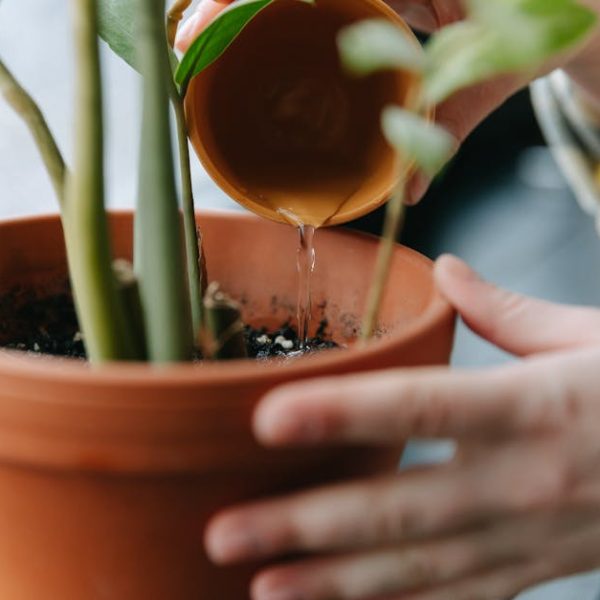
Regardless of the method you choose, ensure that seedlings are spaced about 18 to 24 inches apart in your garden to encourage healthy growth. A pro tip here: water the plants immediately after transplantation, and continue regular watering while the plants establish. Remember, enough water and sunlight are key to bountiful eggplants!
Maintenance and Care for Eggplant Plants
Growing eggplants goes beyond planting; routine care and maintenance will ensure your plants thrive. Key considerations include:
- Pest and Disease Control: Eggplants are attractive to various pests and diseases, including flea beetles, aphids, and verticillium wilt. Regularly inspect your plants and treat any infestation early, ensuring your eggplants stay healthy. Organic options for pest control include introducing natural predators or organic insecticides. For disease prevention, practice good crop rotation and maintain proper air circulation around the plants.
- Mulching and Fertilizing: Mulching regulates soil temperature and prevents evaporation – crucial for eggplants’ love for warmth and steady water. Use organic mulch like straw or grass clippings. Fertilize your eggplants every two to three weeks with a balanced fertilizer to ensure adequate nutrients for fruit formation.
- Pruning: Pruning is optional, but it leads to larger, though fewer, fruits. It also aids in better air circulation, crucial for disease prevention. If you choose to prune, just remember not to overdo, or you might impact the plant’s yield.
To ensure your eggplants thrive, here is a simplified care checklist:
- Regular pest and disease inspection
- Timely pest control measures
- Consistent watering
- Mulching and Fertilizing
- Optional pruning of unwanted branches
Harvesting and Storing Eggplants
The satisfaction of gardening comes when it’s time to harvest your eggplants. Look for indicators like glossy and firm skin – a dull skin may mean an over ripe fruit. Eggplants should be typically harvested when the skin is still shiny, and they are of sufficient size depending on the chosen variety. Cut the fruits from the vine using a sharp gardening shears or knife, leaving a small portion of the cap and stem attached.
Once harvested, eggplants don’t store well for long periods. For short-term storage, you can keep them at room temperature for a couple of days. For longer storage periods, consider a cool, not cold, storage area ─ eggplant doesn’t do well in refrigerator-level cold.
A pro tip here: By maintaining consistent care and watering, you may be able to spur a second smaller harvest from the same plant later in the season.
In Conclusion
While gardening comes with its challenges, these expert tips to grow eggplants should set you for success. So, prepare your garden, choose your variety, and go forth! May your eggplant yield be plentiful and your stews even tastier! Let’s embrace the chance to grow our food and enjoy the rewarding process of gardening.
Key Takeaway:
- Choosing the right eggplant variety considering climate, soil type, and personal preference to enhance productivity.
- Preparing garden space with optimal sunlight and well-drained soil with neutral to slightly acidic pH levels.
- Following the right planting process including sowing seeds indoors or directly, ensuring adequate space and regular watering.
- Implementing routine care like pest control, mulching, fertilizing and occasional pruning.
- Knowing the right time to harvest and practicing adequate storage techniques to preserve eggplants for a longer period.
Eggplant farming can be a pleasing experience, adding diversity to your garden and deliciousness on your plate. With proper selection, sufficient care, and persistent effort, you can reap a satisfying harvest. Continue exploring more on eggplant farming and expand your gardening prowess.
FAQs
Q: What vegetables can be planted along with eggplants?
A: Companion planting can greatly enhance your garden. You can consider planting beans, tarragon, catnip, and marigold with your eggplants.
Q: How should I handle a pest outbreak in my eggplant garden?
A: Early detection is key to effectively managing pest outbreaks. You can opt for organic pesticides or introduce natural predator insects in your garden. Always address infestations swiftly to prevent spread and damage.
Q: Can I replant an eggplant from a store-bought one?
A: It is technically possible to grow an eggplant from the seeds of a store-bought eggplant. However, these may not be ideal as they are often hybrid types, which might not breed true in the next generation.
Q: What do I do if my eggplants flower but do not fruit?
A: This may occur due to temperature fluctuation or pollination issues. Ensure your plants are located in a spot that receives steady, optimal temperatures and manually pollinate flowers if necessary.
Q: How long does it take for an eggplant to grow from a seed?
A: Typically, eggplant seeds need about 100 to 120 days to mature from sowing to harvest. This can vary between varieties, growing conditions, and care implemented.
Share this article with other gardening enthusiasts. Explore more posts on our website for a variety of gardening insights.