Growing bountiful produce in your backyard isn’t just for skilled gardeners – it’s a rewarding endeavor anyone can undertake with the right knowledge and resources. Indeed, planting watermelons, a refreshing summertime favorite, can be a simple and fun activity. Cultivating this juicy fruit not only offers the delightful reward of sweet watermelon slices but also enriches your connection with nature.
Choosing the Right Time and Location for Planting Watermelons
Watermelons adore the sun, requiring exposure to warm temperatures – around 70 to 90 degrees Fahrenheit is best – and an abundant supply of sunlight. Location selection within your garden is crucial: think flat, unshaded areas to encourage successful growth. As for timing, these sun-loving plants are best suited for late spring and early summer planting, ensuring they receive maximum sunlight during their peak growth period.
Generally, the best months for planting watermelons vary according to your climate. For tropical climates, this can be any month outside the rainy season; in Mediterranean climates, May to July is ideal, while March to May fills the bill in temperate climates.
Pro-tip: Aim for a soil pH between 6.0 and 6.8 for watermelon growth. Ensure your plot has good water drainage to prevent waterlogged roots.
Selecting and Preparing your Watermelon Seeds
Choosing the right seeds sets the stage for your watermelon journey. Opt for quality, organically grown watermelon seeds from a reliable vendor to ensure a high germination rate. Once acquired, check the seeds for any damage or rotting. Remember to properly clean and dry your seeds before planting.
Your seed preparation checklist:
- Purchase quality seeds.
- Inspect your seeds for potential issues.
- Clean and dry seeds thoroughly before use.
Pro-tip: Check the packaging of your seeds for the germination rate – this gives you an indication of how likely these seeds are to sprout successfully.
Planting and Care for Watermelon Seedlings
All set to commence planting? Bury your watermelon seeds about an inch into the ground, ensuring enough spacing (about 2 feet apart) for each watermelon plant to expand its vines without obstruction. Alternatively, you can plant in a pot but bear in mind they require more care and attention to prevent dehydration. Watermelon seedlings are thirsty but not fans of waterlogged soil – striking a balance is key here.
Best practices while planting include:
- Rotating seeds in different positions.
- Protecting seedlings from pests.
- Encouraging growth by supporting seedlings with stakes if necessary.
Pro-tip: Try to water your seedlings in the morning. This gives the sun time to evaporate any excess water and reduces the risk of undesirable fungus or diseases intruding on your patch.
Up next, we delve into the best practices for nurturing watermelon plants: watering, fertilizing, and pruning. Stay tuned to grow the juiciest watermelons you ever laid your hands on.
Nurturing the Watermelon Plants: Watering, Fertilizing, and Pruning
Once your watermelon seedlings are comfortably nestled in their soil homes, your role as a nurturer truly begins. Regular and careful watering, feeding your plants suitable fertilizers, and appropriate pruning all contribute to a plentiful harvest.
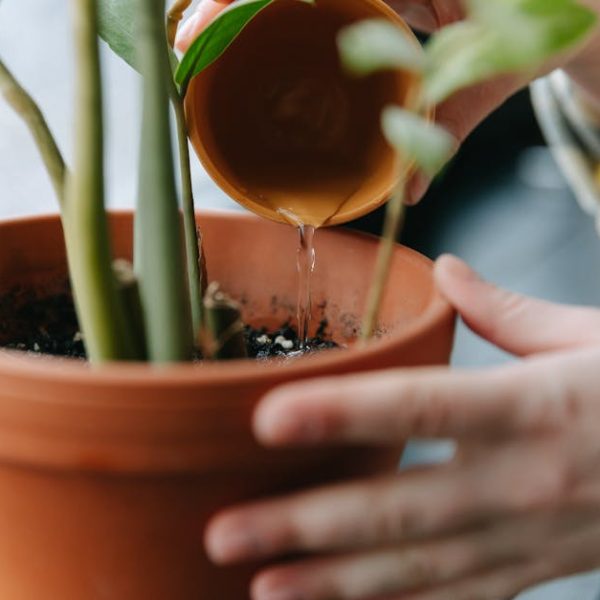
Watermelon plants thirst for a lot of water – but moderation is vital. Overwatering can make your plants more susceptible to diseases and less fruitful. Water deeply and less frequently, instead of shallow, frequent watering reserving the majority of the watering for the first half of the fruit’s growing cycle.
If fertilizing, consider an organic option. While synthetic fertilizers offer high nutrient levels, organic fertilizers release nutrients slowly and improve soil structure, promoting long-term plant health.
| Organic Fertilizers | Inorganic Fertilizers | |
|---|---|---|
| Nutrient Release | Slow | Fast |
| Soil Impact | Improves soil structure | No change to soil |
| Sustainability | Eco-friendly | Often contain synthetics |
Pruning takes practice, remove unwanted vines while leaving the primary vine to focus on developing tasty fruit.
Pro-tip: Check the color and texture of the leaves periodically. Yellow or spotted leaves can indicate nutrient deficiency or disease.
Harvesting your Homegrown Watermelons
Once the long wait is over, you’ll be ready to harvest your juicy watermelons! Identification of a ripe watermelon can be tricky. Keep an eye on the color and size, don’t forget to check the underneath. A watermelon is ready when the underside changes from white to a pale or creamy yellow.
When cutting your watermelons from the vine, it’s essential to use a sharp knife or pruning shears, making a clean cut to avoid damaging the fruit.
Here is your harvesting checklist:
- Check color and size of the melon.
- Turn it over and check the color underneath.
- Use a sharp knife or shears to cut the stem, not the watermelon.
Pro-tip: Tap on the watermelon. If you hear a hollow sound, it’s ripe for picking. It’s your time to enjoy the fruit of your labor!
Growing your own watermelons at home is a satisfying journey, starting from careful preparation to final harvest. Along the way, you will have learned to monitor and treat your plants, watch them grow, and finally, enjoy their delicious reward. But remember, gardening is a continuous learning process, so don’t be disheartened if it doesn’t go perfectly the first time. Keep experimenting, and over time, your green thumb will grow greener. Enjoy your gardening journey. Happy planting!
Key Takeaway:
- Warm temperatures and ample sunlight are critical for watermelon growth.
- The best time for planting varies according to climate.
- Careful selection and preparation of seeds from reputable vendors ensures successful germination.
- Regular watering, suitable fertilization, and timely pruning foster a thriving watermelon plant.
- Ripeness of watermelons is determined primarily by color changes and size, and the sounding of a hollow tap.
Let these insights empower and inspire you to grow your own delicious, juicy watermelons successfully. Embrace this enriching journey of connecting with nature and nurturing life directly from your backyard. Remember, no variant of nature’s nurturing labors ever goes amiss.
FAQs
Q: How long does it take for a watermelon plant to bear fruit?
A: It usually takes approximately 80-100 days from planting the seed to having ripe fruit, depending on the exact variety of watermelon.
Q: How can I tell if my watermelon plant is diseased?
A: Keep an eye on the color and texture of the leaves. If they turn yellow or show spots, it could indicate a nutrient deficiency or a disease.
Q: Can I grow watermelons in containers?
A: Although watermelons prefer spread-out ground spaces, you can indeed grow them in containers. However, extra attention will be needed to prevent pot dehydration.
Q: What type of soil is best for growing watermelons?
A: Watermelons prefer sandy loam with good drainage. The soil pH should ideally be between 6.0 and 6.8.
Q: Can watermelons survive in winter months?
A: Watermelons are a warm-season crop and are susceptible to frost damage. They may not survive harsh winter months unless adequately protected.
You’ve made it to the end! Now, why not take a moment to share this article with your fellow gardening enthusiasts? Explore more of our posts to discover a wealth of knowledge and inspiration for your gardening journey.