Fragrant, colorful, and an emblem of love and affection, roses are undeniably a star player in your garden. But did you know that your precious roses could receive a health boost from Epsom Salt? That’s right! Epsom salt is a crucial addition to your gardening toolkit, particularly for roses. Let’s drill into the details: how does epsom salt promote stronger, lusher, and healthier roses?
Understanding the Value of Epsom Salt for Roses
Epsom Salt, chemically known as magnesium sulfate, has been a long-standing ally of gardeners around the world. This simple compound, found in the personal care aisle of your local grocery store, is far more than just a remedy for aching muscles.
Contrary to popular belief, Epsom Salt is not just a ‘salt,’ but a naturally occurring mineral compound of magnesium and sulfate, both of which are essential plant nutrients. Magnesium plays a crucial role in photosynthesis, the process by which plants create their food. It forms the core of the chlorophyll molecule, the pigment responsible for capturing sunlight. Lack of magnesium can cause your rose foliage to yellow and stunt growth.
That’s where Epsom salt comes in. Regular application of Epsom salt can:
– Prevent magnesium deficiency, leading to vibrant, luscious rose blooms.
– Enhance the absorption of nitrogen and phosphorus, two key nutrients that are usually provided by your regular fertilizer.
– Improve seed germination, nutrient uptake, and overall vitality of roses.
Applying Epsom Salts to Your Roses
Let’s break down the process of applying Epsom Salt to your rose gardens. Firstly, Epsom salt is not a substitute for your regular fertilizer; instead, it serves as a nutritional supplement enhancing your roses’ overall health and display.
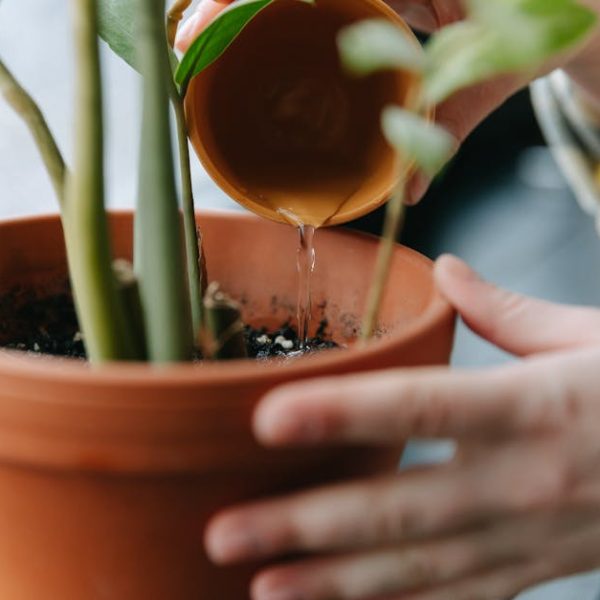
The best method to apply Epsom salt to your roses is by diluting it with water and applying it at the roots. Follow these steps:
– Dissolve 1 tablespoon of Epsom salt per gallon of water.
– Use a garden sprayer or watering can to sprinkle this solution to the base of your rose bushes.
– Frequency is key. Apply Epsom salt every four to six weeks during the growing season.
Following this cycle ensures your roses have a consistent supply of magnesium throughout their growth cycle, leading to healthier plants and lusher blooms.
Epsom Salt Baths for Roses: The Process and Benefits
For a more intensive health boost, consider giving your roses an Epsom Salt bath. This method allows for better absorption of magnesium, which can aid in combating common rose diseases like blackspot and powdery mildew. Here’s how you can do it:
- Dissolve 1 cup of Epsom salt in 5 gallons of water.
- Carefully immerse the roots of your rose bush into this bath and let them soak up the solution.
This method is particularly effective when transplanting your roses, as the Epsom salt bath can help to counter any transplant shock and promote root health.
Common Misconceptions about Epsom Salt
While Epsom Salt’s benefits are vast, it’s essential to dispel some common misconceptions about its usage. Many gardeners believe that Epsom Salt can treat all nutrient deficiencies or that more is always better. The truth is, while Epsom Salt can rectify magnesium and sulfate deficiencies, it cannot replace the need for other essential nutrients like nitrogen, phosphorus, and potassium.
Another incorrect assumption is that ‘applying a higher quantity of Epsom Salt will yield better results.’ Over-applying Epsom Salt can impede the absorption of other essential nutrients, leading to a nutrient imbalance. Therefore, following correct application methods and observing response to Epsom Saltare are imperative for sustainable gardening practices.
Differentiating Epsom Salt from Common Fertilizer
It’s crucial to understand that Epsom Salt is not a substitute for your usual fertilizer. While Epsom Salt supplements your roses with magnesium and sulfur, commercial fertilizers supply other essential nutrients, such as nitrogen, phosphorus, and potassium.
The following comparison table shows the nutrients provided by Epsom Salt vs. Common Fertilizer.
“`
| Epsom Salt | Common Fertilizer | |
|---|---|---|
| Magnesium | Yes | Usually, No |
| Sulfur | Yes | Usually, No |
| Nitrogen | No | Yes |
| Phosphorous | No | Yes |
| Potassium | No | Yes |
“`
The key takeaway is that roses require a balanced ‘diet.’ Each nutrient plays a different yet crucial role in the health and development of your plants. A regular fertilizer regime coupled with judicious usage of Epsom Salt can do wonders for your roses, driving robust and vibrant growth. Happy gardening!
Key Takeaway:
- Epsom Salt, a naturally occurring mineral compound of magnesium and sulfate, is beneficial for roses’ health, aiding nutrient absorption and promoting robust blooms.
- Regular application of Epsom Salt every four to six weeks during the growing season ensures sustained nutrient supply to your roses.
- Epsom Salt Baths give roses a more intensive health boost, aiding in combating common diseases and promoting root health.
- Overuse of Epsom Salt can inhibit the absorption of other essential nutrients, burdening the balance rose plants need to thrive.
- Despite its advantages, Epsom Salt isn’t a substitute for regular fertilizer. It primarily provides magnesium and sulfur, while commercial fertilizers offer other essential nutrients required by roses such as nitrogen, phosphorus, and potassium.
Caring for our gardening friends, especially roses, can sometimes be twisty and complicated. Using Epsom Salt alongside a regular and balanced fertilizer regimen can provide your roses with the nutrients they need for vibrant, luscious growth. Balanced usage and understanding of Epsom Salt as an addition and not a replacement for fertilizer is vital. With proper nurturing, your rose garden will surely blossom in full profusion. Cheers to blissful gardening!
FAQs
Q: Can I use Epsom Salt on other types of plants?
A: Yes, many plants can benefit from Epsom Salt. It’s essential, however, to research your specific type of plant to ensure it’s not sensitive to magnesium or sulfate.
Q: Should I stop using regular fertilizer if I start using Epsom Salt?
A: No, Epsom Salt isn’t a substitute for regular fertilizer. It’s an addition that provides magnesium and sulfur to your roses, which are typically not found in common fertilizers.
Q: Can Epsom Salt harm my roses?
A: Overapplication of Epsom Salt can inhibit the absorption of other crucial nutrients, possibly harming your roses. Therefore, it’s essential to follow recommended usage guidelines.
Q: Can Epsom Salt cure all nutrient deficiencies in roses?
A: No, Epsom Salt only provides magnesium and sulfur. Other nutrient deficiencies need to be addressed through a comprehensive fertilizer regimen.
Q: Can Epsom Salt prevent or cure rose diseases?
A: While Epsom Salt can boost the overall health of roses and aid in preventing common diseases, it isn’t an all-round treatment for all rose diseases.
Don’t forget to share this article with fellow gardeners and check out other posts on our website for more gardening insights!