
In gardening, success often hinges on understanding your plants’ needs and behaviors. This comprehension underlies the practice of companion planting – an ancient agricultural technique gaining newfound appreciation among today’s gardeners. Simply put, companion planting refers to the strategic placement of plants that mutually benefit each other, encouraging optimal growth and productivity.
The science behind it hinges on the ecological principle of biodiversity, how certain plant species cohabit symbiotically, and how these interactions contribute to their survival and prosperity. Companion planting’s benefits range widely, from enhanced plant health and increased yield to improved pest management – it’s a carefully orchestrated symphony of mutually beneficial botanical interactions that make gardening ventures successful.
Popular choices for companion planting are those with known beneficial characteristics. For example, basil is commonly planted with tomatoes because it may enhance their flavor while repelling pests. Corn, beans, and squash form the classic “Three Sisters” group, known among indigenous people in North America for their synergistic growing patterns.
So, how do plants work together? Nature showcases the strength of diversity, with plants increasingly demonstrating they’re no exception to this rule. Some plants, through their natural characteristics, can support the growth of others by repelling pests, enriching the surrounding soil, or providing physical support. On the flip side, some plants may hinder the growth of others – a concept known as allelopathy.
Pro tip: High rates of success in companion planting come with knowing which plants work well together. Research about specific plant needs and characteristics before pairing them up. Keep in mind that not all plants play well together, so try to avoid apparent incompatible combinations – like planting dill next to carrots, which can stunt carrot growth.
Nutrients also play an essential role in companion planting. Plants, like humans, need a balanced diet of nutrients to grow and stay healthy. While some plants are heavy feeders, depleting the soil of certain nutrients, others can be light feeders, leaving more nutrients for nearby plants. This nutrient exchange occurs through the root systems of plants and aids overall plant health, making nutrient management a critical aspect of successful companion planting.
Following a table that lists the pros and cons of using companion planting for nutrient management:
BENEFITS
- Increases soil fertility
- Maximizes usage of available space
- Reduces dependency on artificial fertilizers
CHALLENGES
- Requires considerable planning
- Demands careful observation and adjustment
- May necessitate more frequent soil testing
All in all, companion planting comes down to understanding and leveraging natural plant behaviors for a vibrant, healthy garden. Be it for nutrient exchange or deterring pests, these plant partnerships are a testament to the balance and harmony of nature. And remember, the best practices start with preparing your soil well, knowing your plants, and always staying open to learning and adjusting your strategies.
4. Pest Control and Attracting Beneficial Insects
Have you ever watched in dismay as pests chewed through your beloved crops? With companion planting, there’s good news: you can wave those woes goodbye. What makes this method brilliant is its ability to repel harmful bugs and, conversely, attract the right ones. This natural pest control is one way plants protect not just themselves, but also the company they keep.
Some plants, like marigolds and chrysanthemums, contain chemical properties known to deter pests. Their presence in your garden can keep your crops safe and thriving. Additionally, planting specific flower varieties can attract beneficial insects. These tiny workers, like ladybugs and bees, are heroes in disguise – they can control damaging pests and play an essential role in pollination.
✔️ Checklist:
– Plant combinations for pest control: include marigolds with tomatoes, garlic near roses, and nasturtiums with cucumbers.
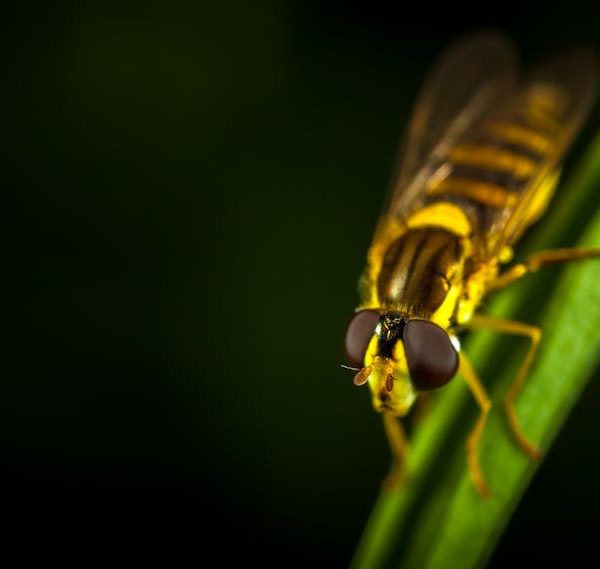
– How to attract beneficial insects: plant a variety of nectar- and pollen-rich flowers like lavender, calendula, and cosmos to entice helpful bugs like bees, ladybugs, and hoverflies.
5. Companion Planting Mistakes to Avoid
Like any other method, companion planting is not without its pitfalls. Novice and seasoned gardeners alike may fall prey to certain mistakes that can lead to less-than-stellar results. However, identifying and understanding these common errors can set your garden on the path to better success.
Some frequent mistakes include planting competitive species together (like cabbage and strawberries), over or under-fertilizing the soil, and not rotating crops. These slip-ups can inhibit plant growth, deplete soil nutrients and promote disease build-up, respectively.
Here is a list of some common mistakes and how they affect plant growth:
– Planting competitive species: this can stunt plant growth.
– Over or under-fertilizing: can lead to nutrient imbalances harming plant health.
– Not rotating crops: can deplete the land of vital nutrients and increase disease vulnerability.
Pro tip: Having an in-depth knowledge of your plants, their needs and their interactions is key. Chasing successful companion planting requires constant observation, learning, and adapting. Should errors occur, don’t be discouraged. Instead, taper them as needed and see them as opportunities for growth – much like your garden.
Remember, companion planting is not a one-size-fits-all solution. It requires experimentation, observation, and meticulous planning. But the rewards – a thriving, productive garden that’s in sync with nature – are well worth the effort. Be patient, watch attentively, and let Mother Nature lead.
Key Takeaway:
- Companion planting operates on the ecological principle of biodiversity, fostering mutually beneficial interactions among different plant species for overall garden health and productivity.
- Nutrient management is integral to companion planting, with specific plants either consuming or returning particular nutrients to the soil.
- Companion planting can serve as a natural pest control method, with certain plant-plant combinations deterring pests and attracting beneficial insects.
- Mistakes such as planting competitive species together, over or under-fertilizing, and not rotating crops can hinder the success of companion planting. Knowledge, observation, and adjustment can help avoid such pitfalls.
Resiliency and success in gardening mean embracing the joy of learning, constant observation, and cultivating patience. Remember that companion planting isn’t flawless; it’s an artistic science where experimentation pays off. Keep nurturing your gardening wisdom, and soon, you’ll witness your garden in synchrony with nature, thriving with diversity and life.
FAQs
Q: What could be some of the signs that my companion planting is not working well?
A: If you notice stunted growth, signs of pest infestations, or disease in your plants, it might indicate that your companion planting setup is ineffective.
Q: How long does it take to see results from companion planting?
A: The timeline can vary, but generally, you should start noticing the benefits of companion planting within one growing season.
Q: Can companion planting work for all types of plants?
A: Not all plants may benefit from companion planting. It’s crucial to research and understand the individual needs and preferences of the plants you’re trying to pair up.
Q: Can companion planting help in managing weeds?
A: Yes, strategic companion planting can indeed help suppress weeds by creating a canopy of foliage that blocks sunlight, preventing weed germination and growth.
Q: How do I correct mistakes in my companion planting setup?
A: The first step is to identify the issue. Once you have done so, refer to reliable gardening resources, pay attention to plant compatibility and nutrient requirements, and be ready to adjust your strategies accordingly.
Feel free to share this article, and explore more of our posts to continue expanding your gardening knowledge.