Perennial plants, thanks to their life cycle that extends beyond a single year, serve a vital role in creating an attractive, robust garden that stays vibrant year-round. As a ground cover, these plants not only elevate the aesthetic appeal of your garden but also offer significant benefits such as soil protection from erosion, suppressing weeds, and promoting biodiversity.
Understanding Perennials and Their Role as Ground Cover
Perennials are plants that live for more than two years, growing, blooming, and dying back over varying seasons. They differ from their annual and biennial counterparts, who complete their life cycle within one or two years respectively. When used as a ground cover, these plant heroes mitigate soil erosion, restrict weed growth, conserve water, and attract beneficial insects, playing a critical role in maintaining your garden’s health and vitality.
Notable perennials commonly used for ground cover include:
- Creeping Thyme
- Spotted Deadnettle
- Bugleweed
- Sweet Woodruff
Pro Tip: Picking the right perennials for your ground cover involves considering your local climate, soil conditions, and available sunlight. For instance, Creeping Thyme would work well in a sunny area with well-drained soil, while Sweet Woodruff prefers shaded areas with moist, acidic soil.
Creating Astonishing Scenery with Ground Cover Perennials
The strategic use of perennials as ground cover extends beyond the practicalities of soil and weed management — these plants are a powerful tool for garden aesthetics. Think of your garden floor as an artist’s canvas, with perennials being different shades of paint, each contributing unique textures and colors to the grand picture.
Best Practices: Start with a clear focal point. Diversify the plant selection in terms of height, foliage, flower color, and blooming season for a dynamic display. Remember to group perennials with similar light and water needs together.
Versus: Pros and Cons of Using Perennials as Ground Cover
| Pros | Cons |
|---|---|
| Varied aesthetics across seasons | Requires regular maintenance |
| Ecologically beneficial | Initial cost can be high |
| Prevents soil erosion and suppresses weeds | Some invasive species may spread uncontrollably |
Comparatively, using annuals can provide a burst of color but need to be replanted every year. Synthetic mats, while requiring minimal maintenance, do not offer the ecological benefits of perennials.
Featured Perennials for Vibrant Ground Cover
Each perennial plant variety comes with its own distinct allure, making your garden a delightful array of blossoms and foliage. When selecting perennials for ground cover, it’s essential to consider their growth habit, height, spread, and bloom time. Here are some of our top picks:
- Creeping Phlox
- Candytuft
- Pachysandra
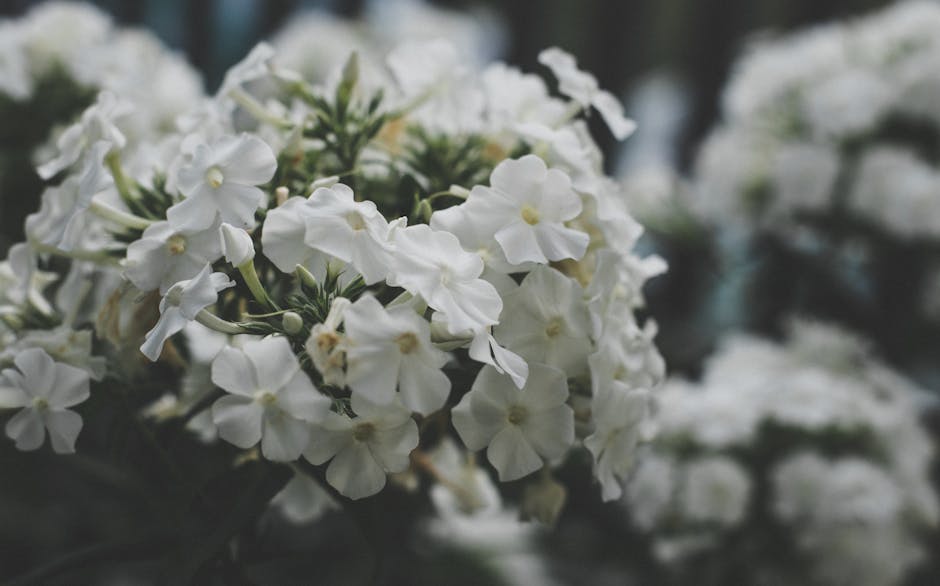
- Coral Bells
- Snow-in-Summer
- Saxifraga
- Hosta
- Creeping Juniper
- Lamium
- Ajuga
- Cotoneaster
- Sedum
- Vinca Minor
- Periwinkle
Pro Tip: In addition to considering the plant specifics, think about their compatibility with other plants in the garden. Read planting guidelines or consult with a local gardening expert for advice on how to grow and maintain these perennials.
Caring For Your Perennial Ground Cover
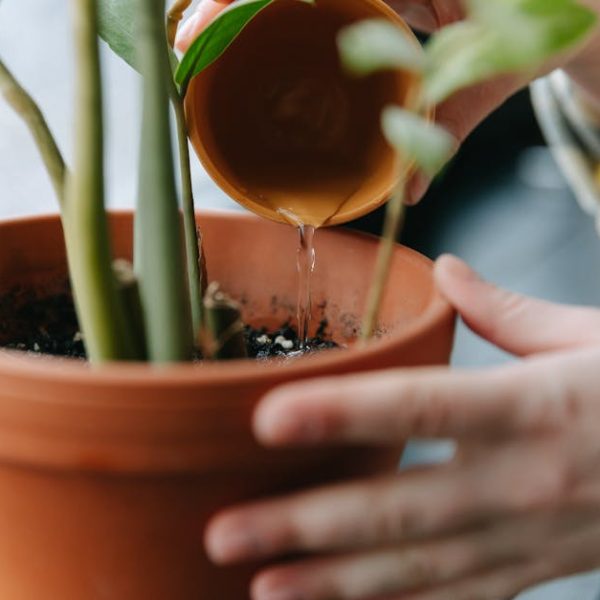
Looking after your perennials is crucial to keep them healthy and vibrant. Regular watering is a must, ideally in the early morning or late evening to ensure maximum absorption. Pruning is also essential to encourage growth and maintain shape. The use of organic fertilizers can help sustain plant vigor, while a routine check for pests and diseases can prevent potential problems from escalating.
Checklist for Perennial Garden Maintenance:
- Regular watering
- Timely pruning
- Season-specific fertilizing
- Pests and diseases checks
- Mulching
- Winter preparation
Best Practices: Always monitor your perennials for signs of distress, such as yellowing leaves, stunted growth, or unusual spots. Catching and addressing these signs early can save your plants and prevent the spread of potential diseases.
Extending the Life of Your Perennial Ground Cover
To keep your perennial ground cover thriving, year-round attention is key. Regular pruning helps maintain the shape of your plants and encourages new growth. Division, typically done every 2 to 3 years, rejuvenates the plants and controls their size. Mulching helps retain soil moisture, suppress weeds, and improve soil condition.
Pro Tip: If your perennials seem to be aging or showing signs of decline, don’t give up on them too quickly. Sometimes, all they need is some revitalization, possibly through division, a change of location, or an adjustment in care practices.
Best Practices:Likewise, rotating and interchanging your perennials can keep your ground cover fresh and vibrant year-round. It’s a gardening technique that not only prevents the spread of plant-specific diseases but also creates visual interest as different plants bloom at different times of the year.
Key Takeaway:
- Perennials are vital for creating robust, appealing gardens that stay vibrant year-round, offering benefits like soil protection, weed suppression, and biodiversity enhancement.
- Choosing the right perennials for your ground cover involves considering factors like local climate, soil conditions, and sunlight exposure.
- The strategic use of perennials as ground cover is not just practical (soil, weed management) but also contributes significantly to garden aesthetics.
- Caring for perennials involves regular watering, pruning, fertilizing, and monitoring for pests and diseases.
- Extending the life of your perennial ground cover requires year-round attention, including activities like pruning, division, mulching, and rotation of plants.
Always remember, the magic of perennials lies in their capacity to return year after year, bringing beauty, color, and life to your garden. It’s crucial to choose wisely, consider their compatibility with other garden plants, and care for them diligently. These hardy plants can undoubtedly render your landscaping efforts successful, offering a vibrant canvas that celebrates every season.
FAQs
Q: How can I prevent my perennial ground cover from becoming invasive?
A: You can prevent your perennials from becoming invasive by regular pruning and division. It’s essential to research the growth habits of your chosen perennials beforehand so you can anticipate and manage their spread effectively.
Q: Can perennials survive in climates with harsh winters?
A: Yes, many perennials are hardy and can withstand harsh winter conditions. However, you should select perennials suitable for your climate zone, and some additional winter care such as mulching might be required to protect them from extreme cold.
Q: How often should I fertilize my perennial ground cover?
A: Fertilizing needs can vary depending on the plant species and the soil condition. Typically, a once or twice-yearly application of a slow-release, balanced fertilizer is sufficient for many perennials.
Q: Can I use perennials as ground cover in shaded areas?
A: Yes, there are specific perennials like Sweet Woodruff that can thrive in shaded areas. When selecting perennials, it’s essential to match the plant’s light requirements with the light conditions in your garden.
Q: Is it necessary to rotate my perennials?
A: Rotating perennials is not obligatory but it can bring benefits such as preventing the spread of plant-specific diseases and adding visual interest to your garden as different plants bloom at different times.
Remember, each gardening journey is unique. Don’t hesitate to reach out for advice or share your knowledge with others. Feel free to share this article and explore more posts to help enhance your gardening skills.