
Ground cover plants, as their name suggests, are plants that spread across the ground, forming a green carpet that can instantly beautify any barren area in your garden. Their roots also benefit the soil by preventing erosion and allowable soil moisture. Swift growing varieties dramatically improve your garden’s appearance and functionality in no time.
Let’s delve a little deeper into the benefits and challenges these green little heroes bring:
Pros:
- Erosion Control: These plants slow water run-off, allowing rainfall to be absorbed into the soil. A thick layer of ground cover also reduces the wind’s impact, averting soil erosion.
- Weed Suppression: They’re nature’s own weed killer. Proper ground covers choke out unwanted plants by depriving them of sunlight and nutrients.
- Aesthetic Appeal: Ground covers bring texture, colour variety and flowers in otherwise empty shades or sunny spot, without the maintenance need of lawns.
Cons:
- Uncontrollable Growth: Some ground covers can spread beyond their intended area, invading other plants’ space and becoming difficult to control.
- Maintenance: They may require occasional trimming to maintain their appearance, especially if they start to become invasive.
Popular Fast-Growing Ground Cover Plants
The allure of fast-growing ground cover plants lies in their ability to transform your garden with minimal effort and time. Below, I’ve listed some of the top favourites among gardeners:
Creeping Thyme: This plant is a hit for its durability, pleasant aroma, and beautiful purple flowers. It grows fast, enjoys sunny spots, and doesn’t require much watering.
Sweet Woodruff: Sweet Woodruff adds a burst of vibrant green to shaded areas. It thrives in cool, moist well-drained soils.
Ajuga: Apart from its uniquely glossy leaves and spring blossom, Ajuga grows well in both sunny and shaded areas and isn’t overly picky about the soil.
Periwinkle: Periwinkle offers glossy, evergreen leaves and charming blue flowers. It’s tolerant of a broad range of soil conditions and shades.
| Plant | Growth Rate | Flowering Season | Sun/Shade Preference |
|---|---|---|---|
| Creeping Thyme | Fast | Summer | Sun |
| Sweet Woodruff | Moderate | Spring | Shade |
| Ajuga | Fast | Spring | Both |
| Periwinkle | Slow to Moderate | Spring | Partial Shade |
To decide which one is best for your garden, consider their growth rates, flowering seasons, and sun or shade preferences.
Tips for Installing Ground Cover Plants
To set your ground cover for rapid growth and success, there are a few key things to bear in mind. It’s all about getting them off to a good start and ensuring optimal growing conditions.
Here are some pro tips and best practices:
Pro Tips:
- Plant in the Right Season: Early spring or fall is an ideal time to plant most ground cover plants.
- Spacing: Give them room to grow but consider their growth rates – fast-growing types can be spread further apart.
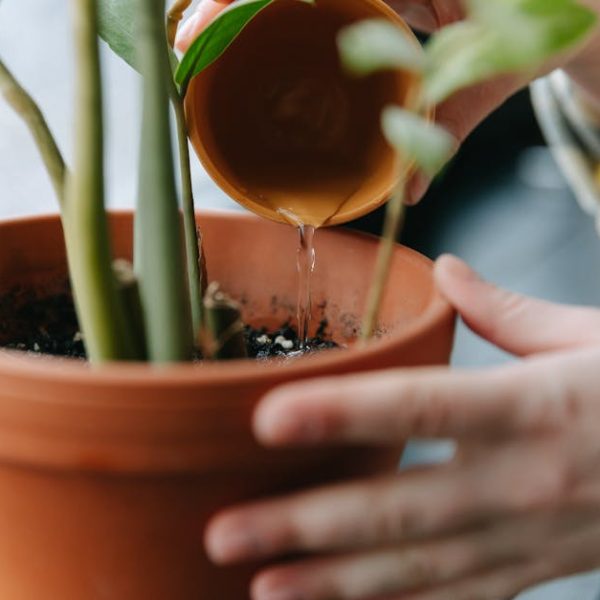
- Watering: Water thoroughly after planting and keep the soil moderately moist until the plants are established.
Best Practice:
- Mulching: Apply a layer of mulch after planting to retain soil moisture and suppress weed growth.
- Weeding Before Planting: Clear the area of all weeds before planting to give your ground cover a competitive edge.
- Consider Hardiness Zones: Be sure to choose plants that are suitable for your local climate and hardiness zone.
Managing the Growth of Ground Cover Plants
Ground cover plants can bring many benefits, but they do require some management to ensure they don’t become a nuisance. Here’s what to look for, and how to keep your ground cover plants in check:
Checklist:
- Monitor Spreading: Keep an eye on the growth of your ground cover plants. If they start to invade areas outside of their intended space, it may be time to take action.
- Assess Density: A thick cover can be beautiful, but too dense might deprive the soil and other nearby plants of sunlight and nutrients.
- Observe Plant Health: Look for signs of disease or pests, which may require treatment or removal of affected plants.
Pro Tips:
- Trimming: If your ground cover plants become too invasive, trim them back. A good time to do this is late winter or early spring, before new growth begins.
- Thinning: Remove some plants if the ground cover becomes too thick, to allow sunlight and air to reach the soil.
Attracting Wildlife with Ground Cover Plants
Finally, let’s not forget that ground cover plants can reinforce the ecosystem of your garden by attracting useful wildlife. In doing so, they contribute to biodiversity and can even help with pest management.
List of Plants That Attract Wildlife:
- Creeping Thyme: Attracts bees with its beautiful purple flowers.
- Sweet Woodruff: Its fragrant white flowers can draw butterflies.
- Ajuga: Its blue flowers are a magnet for hummingbirds.
- Periwinkle: Not only does it add beauty to your garden, but its blue flowers can also attract butterflies.
Best Practice:
- Placement: Position these plants in sunny locations and near a water source to maximize their attractiveness to wildlife.
- Native Plants: Try to choose plants native to your region as they are more likely to be suitable for the local wildlife.
- Diversity: A variety of plants will attract a broader spectrum of wildlife.
Ground cover plants are an excellent addition to any garden. They help ensure the soil’s health, require minimal maintenance, and are quick to provide extensive coverage for aesthetic appeal. Use these tips, and you’ll enjoy a well-manicured and vibrant garden.
Key Takeaway:
- Fast-growing ground cover plants rapidly enhance your garden’s beauty and functionality by preventing soil erosion, suppressing weeds, and offering aesthetic appeal.
- Popular fast-growing ground cover plants include Creeping Thyme, Sweet Woodruff, Ajuga, and periwinkle. Understanding their growth rates, flowering seasons, and light preference can help in choosing the right fit for your garden.
- Installing ground cover plants efficiently required considerations, including planting in the right season, ideal spacing, and proper watering. Mulching, weeding before planting, and considering plant hardness zones are also crucial to the successful growth of these plants.
- Monitoring your ground cover plants is essential to maintain their health and handle growth. Timely trimming and thinning can prevent overcrowding and ensure the betterment of your garden.
- Ground cover plants also contribute to the garden’s biodiversity by attracting beneficial wildlife.
Creating a vibrant and well-manicured garden with fast-growing ground cover plants can be a fulfilling task. Equipped with knowledge and best practices, you can overcome any challenges and ensure these verdant heroes thrive. So go ahead, let your garden bloom!
FAQs
Q: How does one control the too rapid spread of a ground cover plant?
A: You can control the over-spreading of ground cover plants by regular trimming or thinning out the overcrowd species at the right time, ideally late winter or early spring.
Q: Are there any specific water requirements for ground cover plants?
A: After planting, ensure to water them thoroughly and maintain a moderately moist soil until the plants are well-established.
Q: Can ground cover plants survive in the shade?
A: Yes, certain ground cover plants, such as sweet Woodruff and periwinkle, thrive well in shaded areas.
Q: Are ground covers only beneficial for their aesthetic appeal?
A: While ground cover plants do significantly enhance the garden’s aesthetics, they also offer several other benefits including erosion control, weed suppression, and attracting beneficial wildlife.
Q: How can I attract wildlife to my garden using ground cover plants?
A: Plants like Creeping Thyme, Sweet Woodruff, Ajuga and Periwinkle can attract wildlife such as bees, butterflies and hummingbirds. Positioning these plants in sunny locations and near water sources can further enhance their appeal.
If you’ve found this article helpful, we encourage you to share it and explore more fascinating reads on our website!