A flourishing indoor jungle doesn’t always need sun-drenched conditions. With the right choice of houseplants, even areas with low light conditions in your home can transform into lush, green spaces. This article will guide you through understanding low light conditions, the benefits of such light-tolerant plants, your top choices for low light houseplants, and how to care for them.
Understanding Low Light Conditions for Houseplants
Low light conditions in home environments can be diverse. They range from areas completely devoid of direct sunlight to spaces with only filtered light due to obstructions like curtains or tinted windows.
Key spots you might find low light conditions in a home include:
- Northern-facing rooms with small windows,
- Interior rooms and hallways with no direct window access,
- Spaces blocked by outdoor obstructions like trees or buildings,
- Bathrooms or kitchens with minimal natural light.
Pro tip: To determine if your room is a low light area, observe the shadows. If they are soft and blurry even in the middle of the day, you’ve got a spot perfect for low light-loving plants!
Benefits of Having Low Light Tolerant Houseplants
Not every plant requires a sun-laden window sill to thrive. Quite a few types love lower light conditions, adding greenery to corners of your space that could otherwise be stark. Besides their aesthetic appeal, these hardy greens purify the air, regulate humidity, and contribute positively to mental health.
When you weigh in the benefits, here’s a quick checklist of why you should consider these plants:
- Spots that are conventionally challenging for plant growth can be utilized,
- Low light plants often require less maintenance,
- They add aesthetic appeal to your home,
- Purify the air and improve indoor air quality,
- Boost mood and reduce stress.
Best practice: Arrange low light plants in groups to create a green focal point. Remember to keep a water spray bottle at hand; these beauties love a mist every now and then!
Stay tuned for our comprehensive discussion on a variety of houseplants that thrive in low-light conditions, including their all-important maintenance needs. Plus, we’ll cover tips on how to arrange, care for, and most importantly, how to boost the growth of your indoor, low-light loving green friends.
Top Houseplants for Low Light Conditions
There is a surprising variety of low light houseplants, making it possible to add some lush greenery to every corner of your home, irrespective of the light conditions. Here are a few top picks:
List of Ideal Low-Light Houseplants:
- Snake plant: This sturdy plant can survive in a multitude of conditions, including low light.
- Pothos: Easy to maintain, the vines of this plant add a touch of wildness and can be trained on a trellis.
- ZZ plant: These hardy plants are absolutely undemanding and grow well in darker spaces.
- Spider plant: Known for its air-purifying properties, it’s perfect for rooms with less natural light.
Pros and Cons of Popular Low-Light Plants:
| Plant Name | Pros | Cons |
|---|---|---|
| Snake Plant | Highly adaptable, low maintenance | Slow growth, poor flowering in low light |
| Pothos | Highly versatile, grows rapidly | Can outgrow space if not periodically pruned |
| ZZ plant | Hardy plant, ideal for beginners | Slightly toxic if ingested, keep away from pets and children |
| Spider plant | Easy to care for, efficient in air-purifying | Might need a little more light than other low-light plants |
Caring for Low Light Tolerant Houseplants
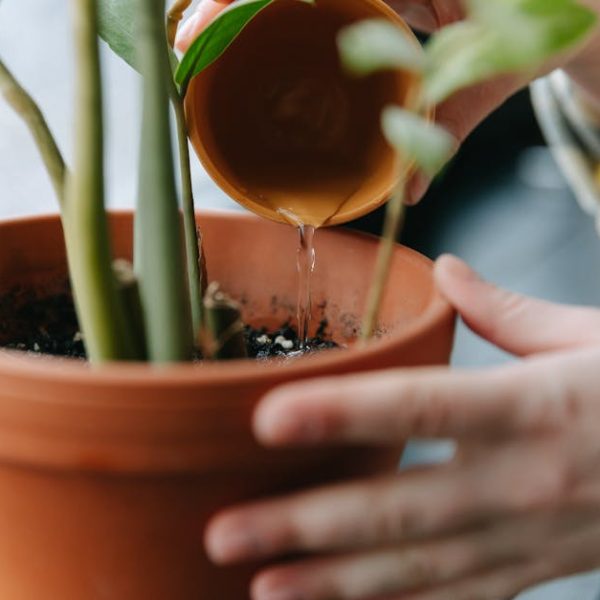
Despite their resilience, low light plants too need proper care which largely revolves around minimal watering, and a preference for slightly damp rather than soaking wet soil.
Pro tip: Remember to rotate your plants every few weeks to ensure all parts get access to the little light available.
Best practice for caring for your low light plants includes not overwatering, ensuring proper ventilation to prevent fungal growth, and keeping a vigilant eye for any disease signs.
Boosting Growth in Low Light Houseplants
Just because these plants are low light tolerant doesn’t mean they won’t appreciate extra care. There are several ways you can boost their growth.
Checklist for boosting growth:
- Use high-quality potting soil,
- Regularly clean dust from leaves,
- Prune regularly to encourage bushier growth,
- Consider a balanced, water-soluble fertilizer but use it sparingly.
In terms of growth-boosting methods, you can consider both natural and artificial ways. However, keep in mind that while natural methods like compost tea and regular pruning can be effective, artificial methods like using grow lights offer more noticeable results but do come with their own set of cons including cost and increased energy use.
Now that you are armed with all the necessary knowledge, it’s time to embrace the corners of your home where the sun doesn’t shine, and make your own lush paradise!
Key Takeaway:
- Low light conditions in a household environment can vary greatly from completely devoid of direct sunlight to only filtered light due to obstructions.
- Low light tolerant houseplants thrive where other plants cannot, providing aesthetic appeal, purifying the air, and offering health benefits.
- Variety of houseplants like Snake plant, Pothos, ZZ plant, and Spider plant can flourish in low light home conditions.
- Caring for low light tolerant houseplants requires careful watering, soil management, and rotation to distribute the light evenly.
- Boosting their growth can further be achieved by using quality soils, regular pruning, and careful use of fertilizers. Artificial methods such as grow lights can also serve helpful but might involve more cost and increased energy usage.
The ‘shady’ corners of your home can turn into beautiful, lively green spaces with the right choice of houseplants. Remember, even the plants conducive to low light will appreciate your care—so water them mindfully, choose the right soil, and prune them regularly. With these insights, you are ready to embark on the greener journey of converting your home into an indoor jungle!
FAQs
Q: How often should I water my low light houseplants?
A: The watering frequency for your low light plants would largely depend on the type of the plant. However, overwatering is generally not recommended. Make sure the soil is moderately damp and not soaking wet.
Q: How can I increase the artificial light for my low light houseplants without a grow light?
A: You can increase artificial light for your low light plants by placing them near LED lights or by using reflectors to increase the light intensity from your regular home lights.
Q: Can low light houseplants survive in a room with no windows?
A: Yes, several low light houseplants like Snake plant and ZZ plant can survive in rooms with no direct window access. However, a minimal amount of light, either natural or artificial, is still necessary for their survival.
Q: Can I keep different types of low light houseplants together?
A: Yes, you can group different types of low light houseplants together, provided they have similar care needs. This also helps in creating an attractive focal point.
Q: Are all low light houseplants safe for pets?
A: No, not all low light houseplants are safe for pets. ZZ plants, for example, are slightly toxic if ingested. Always research a plant’s compatibility with pets while choosing for your home.
We encourage you to share this article with friends and family who might find it beneficial. Explore more posts on our website to find additional insights on maximizing the greenery and freshness in your living spaces.