The season of rejuvenation, spring is the perfect time to plant a vibrant garden full of fresh vegetables. By planting during this season, you can enjoy crisp lettuce, juicy tomatoes, and tender peas before the summer heat arrives. However, to maximize your yield and achieve a thriving spring garden, understanding the right timing, choosing suitable veggies, optimizing your soil, utilizing efficient planting techniques, and maintaining your garden are key.
Understanding the Right Time for Spring Vegetable Planting
The success of your spring vegetable garden largely depends on timing. Vegetables are cool-season and warm-season varieties. Understanding the distinction is crucial for your spring garden planning. While cool-season vegetables can handle a slight freeze and prefer short daylight durations and lower temperatures, warm-season vegetables need longer periods of daylight, and warm soil for proper growth.
The local last frost date and soil temperature are essential factors to consider for spring planting. They vary depending on your geographical location and can drastically affect the success of your spring vegetable garden. You can consult local agriculture extension offices, gardening clubs, or online resources to know your local last frost date.
Pay attention to signs from nature too. In general, when trees start budding and the ground thaws, it’s an indication that spring has arrived and it may be the right time to start planting. Remember, your soil temperature should be between 50°F and 85°F for most vegetables.
Top Choices of Veggies for Spring Planting
Choosing the correct vegetables for your spring garden is as important as timing. Here are some vegetables which are great for spring planting:
- Peas : Peas are a cool-season crop, which makes them perfect for early spring planting. They can tolerate frost and come in varieties like snap, shelling, and snow peas.
- Radishes : Radishes grow quickly and aren’t very space-demanding, making them an excellent choice for beginners.
- Lettuce : Lettuce can be directly sown into your garden. It can tolerate a little frost and prefers cool temperatures.
- Spring Onions : Spring onions take about eight weeks to grow. They are perfect for a late spring harvest.
- Broccoli : Broccoli is a nutrient-rich vegetable that thrives in cool weather.
- Spinach : Similar to lettuce, spinach grows fast, loves cool weather, and can be directly sown into your garden.
Table 1: The Pros and Cons of Spring vegetables
| Vegetable | Care Demands | Yield | Pest Resistance |
|---|---|---|---|
| Peas | Low | High | High |
| Radishes | Low | Medium | Medium |
| Lettuce | Medium | High | Low |
| Spring Onions | Low | High | Medium |
| Broccoli | High | Medium | Medium |
| Spinach | Low | High | Low |
Optimizing Your Soil for Spring Planting
Nurturing your garden begins with the soil. The health of your soil directly influences the health of your plants. Soils plagued by issues such as acidity or low nutrient content can yield less-than-stellar results for your spring vegetables.
To prepare your soil for spring planting, start by removing any remaining plant debris from the previous season. Then, test your soil’s pH and nutrient content. Your local garden center will carry soil test kits, and can advise on any amendments your soil might need.
Once you’ve established your soil’s condition, add organic matter such as compost or well-rotted manure, which can improve soil fertility, structure, drainage, and water-retaining capacity. If your soil is on the acidic side, adding slow-release lime can help to balance the pH.
Depending on the type of your garden soil, different amendments are recommended:
- Sandy Soil: Add clay, compost, or well-rotted manure to improve water retention and fertility.
- Clayey Soil: Add coarse sand, compost, or gypsum to enhance drainage and lessen soil compaction.
- Loamy Soil: Loamy soil is typically ideal, but adding organic matter annually can maintain its health.
Planting Techniques for Spring Veggies
The planting technique you choose for your spring vegetables can affect their growth and yield. Here are three popular techniques to consider:
- Direct Sowing: This involves directly planting seeds into your garden. It’s ideal for vegetables like peas, radishes, spinach, and lettuce that don’t mind the cool spring soil.
- Transplanting: This involves starting seeds indoors and then moving the young plants to your garden once they’ve grown a bit and the weather has warmed up. This technique is excellent for vegetables that need a longer growing period, like broccoli and spring onions.
- Container Gardening: If space is a constraint, consider container gardening. It allows you to grow your veggies on patios or balconies.
Table 2: Comparison of spring vegetable planting techniques
| Planting Technique | Pros | Cons |
|---|---|---|
| Direct Sowing | Simple, cost effective, suitable for fast-growing crops | Limited planting time, less control over germination conditions |
| Transplanting | Longer growing season, better control over germination conditions | More care required, not suitable for all vegetables |
| Container Gardening | Flexible, space-saving, easier pest control | Limited growth space, needs more watering and feeding |
Maintaining Your Spring Garden: Watering, Pest Control, and Harvesting
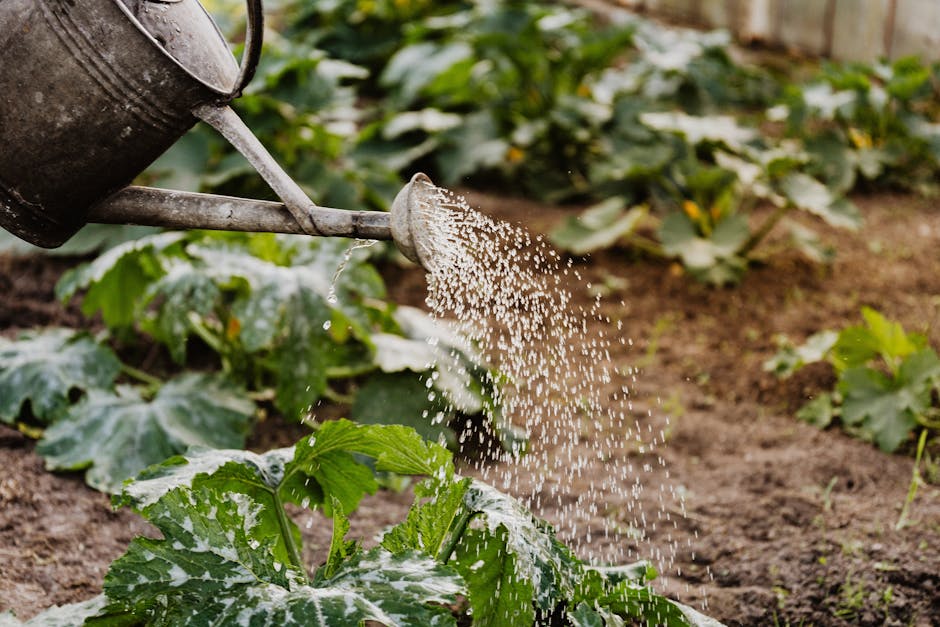
A thriving spring garden requires consistent care and attention. Ensure you water your vegetables appropriately – an inch of water per week is typically recommended. Adopt organic pest control methods such as companion planting, using organic pesticides, or promoting beneficial insects. Remember to harvest your vegetables regularly to encourage more production.
Regular maintenance tasks for your spring garden should include:
- Checking for signs of pests or diseases
- Watering the vegetables as required
- Keeping the area free from growing weeds
- Harvesting mature vegetables promptly
PRO TIP: To increase your vegetable yield, try pinching out the tops of peas after they have finished flowering – this will promote more side shoots and hence more peas. Similarly, implementing succession and rotational planting can promote continuous harvest and healthy soil, respectively.
Each garden is unique and might require different care. However, remember that consistency is key. With care, attention, and persistence, your spring garden can thrive, providing you with an abundant harvest. Happy Gardening!
Key Takeaway:
- Timing is crucial for spring vegetable planting. Understanding the distinction between cool-season and warm-season vegetables and considering local last frost date and soil temperature can significantly contribute to the success of your spring garden.
- Peas, radishes, lettuce, spring onions, broccoli, and spinach are excellent veggies for spring planting due to their unique characteristics and suitability for the spring climate.
- The health of your soil directly influences the success of your spring garden. Testing your soil’s pH and nutrient content, and making necessary amendments can enhance its fertility and overall health.
- Different planting techniques such as direct sowing, transplanting, and container gardening have their pros and cons that can affect the growth and yield of your vegetables.
- Regular maintenance including watering, pest control, harvesting, and promoting growth-boosting practices such as pinching, succession planting, and rotational planting can help maintain a thriving spring garden.
Springtime is all about growth, rejuvenation, and fresh beginnings. Initiating a thriving spring vegetable garden could be challenging, but with the right knowledge and practices, you can enjoy a bountiful harvest. Just remember, every garden is unique in its way. So, be patient, consistent, and enjoy the process of nurturing your garden. Happy planting!
FAQs
Q: What other factors should I consider when choosing vegetables for spring planting?
A: Apart from considering the suitability for the spring climate, also consider your personal preference on the type of vegetables, the space available in your garden, and the amount of sunlight the garden receives in a day.
Q: How can I protect my spring veggies from late frosts?
A: If you anticipate a late frost, cover your tender plants with a frost cloth, or an old bed sheet to protect them. You can remove it once the frost has passed.
Q: How often should I test my soil’s pH and nutrient content?
A: Ideally, you should test your soil every year before you start your spring planting. This can help detect any new issues and correct them early.
Q: Can you recommend any organic pesticides for pest control in my spring garden?
A: Yes, neem oil, cayenne pepper, and soap sprays are some effective organic pesticides that you can consider. However, make sure not to overuse them, as they can disrupt useful insects too.
Q: What is succession planting and how can it help my garden?
A: Succession planting is the practice of sowing crops at intervals to ensure a continuous supply throughout the season. It can help maximize your harvest and make efficient use of your garden space.
Don’t hesitate to share this article with your fellow gardeners and explore more informative posts on our website. Happy gardening!